The Palm Desert fall irrigation schedule requires gradually reducing watering frequency during September and October as average high temperatures drop and soil moisture evaporates more slowly. Residents should adjust their timers monthly to match local evapotranspiration rates while still providing enough hydration for new fall plantings. This step down approach prevents water waste and keeps Coachella Valley landscapes healthy during the transition to cooler seasons.
As the relentless Coachella Valley heat begins its slow retreat, many Palm Desert homeowners make the mistake of leaving their irrigation systems on peak summer settings. This oversight often results in oversaturated soil and compromised root systems, which can ultimately threaten the longevity of your landscape and the stability of your surrounding hardscape. Transitioning your watering routine is not merely a seasonal chore; it is a calculated strategy to protect your investment. In this guide, we will detail the September step down process, providing a precise framework for reducing water consumption while maintaining plant health. You will learn how to adjust specific zones for trees and shrubs, discover the critical link between moisture levels and paver integrity, and explore smart technology rebates available to local residents. By mastering this pivot, you ensure a vibrant landscape that complements your premium outdoor living space.
Navigating the Coachella Valley Fall Transition
September in Palm Desert presents a deceptive environmental paradox. While triple digit afternoons persist, the rapid reduction in daylight hours significantly alters how much moisture your landscape actually requires. This period is the critical shoulder season, where the primary challenge is resisting the urge to maintain an aggressive summer watering frequency. Continuing a peak summer Palm Desert fall irrigation schedule into the late weeks of September is a frequent error that leads to saturated root zones, fungal pathogens, and systemic root rot.
As a specialized hardscaping firm, we approach this transition with an understanding that your outdoor space is an integrated ecosystem. Excessive water does not just stress the plants; it compromises the integrity of the soil and the structures built upon it. When soil remains perpetually damp due to outdated irrigation settings, the resulting hydrostatic pressure and mineral migration can eventually impact custom driveways and other installations. Proper management requires balancing Landscape Lighting & Irrigation to account for shorter days and shifting moisture needs. Successful desert landscaping depends on this precise step down process, ensuring that soil health and desert-suitable materials are protected as we move toward the cooler planting windows of October.
Why September is the Critical Pivot for Desert Landscapes
The science behind the September pivot is driven by Evapotranspiration, or ET, which measures the combined water lost through soil evaporation and plant transpiration. The Coachella Valley is primarily classified as ET Zone 18, an environment that demands roughly 71.6 inches of water annually to sustain typical growth. While August represents the peak of this demand due to intense solar radiation and long days, September begins a rapid decline. Even if the thermometer still hits 105 degrees, the sun sets earlier and the angle of light changes. Consequently, plants cannot process the same volume of water they required thirty days prior.
This shift is critical because any water not absorbed by the landscape must go somewhere. In many Palm Desert properties, excess moisture from an outdated Palm Desert fall irrigation schedule lingers in the soil, eventually migrating toward hardscaped areas. When porous desert-suitable materials or custom driveways sit in oversaturated soil, capillary action draws moisture and dissolved minerals to the surface. As this water evaporates, it leaves behind a white, powdery residue known as efflorescence. This salt buildup is more than an aesthetic nuisance; it indicates a moisture imbalance that can eventually weaken the bond of joint sands or the structural integrity of natural stone. Aligning your Landscape Lighting & Irrigation to the lower ET rates of late September protects the visual investment of your hardscape while keeping root zones healthy and oxygenated. Correcting the schedule now prevents the sub-base saturation that often leads to settling or shifting in premium installations.
The September Step Down: A Recommended Palm Desert Fall Irrigation Schedule
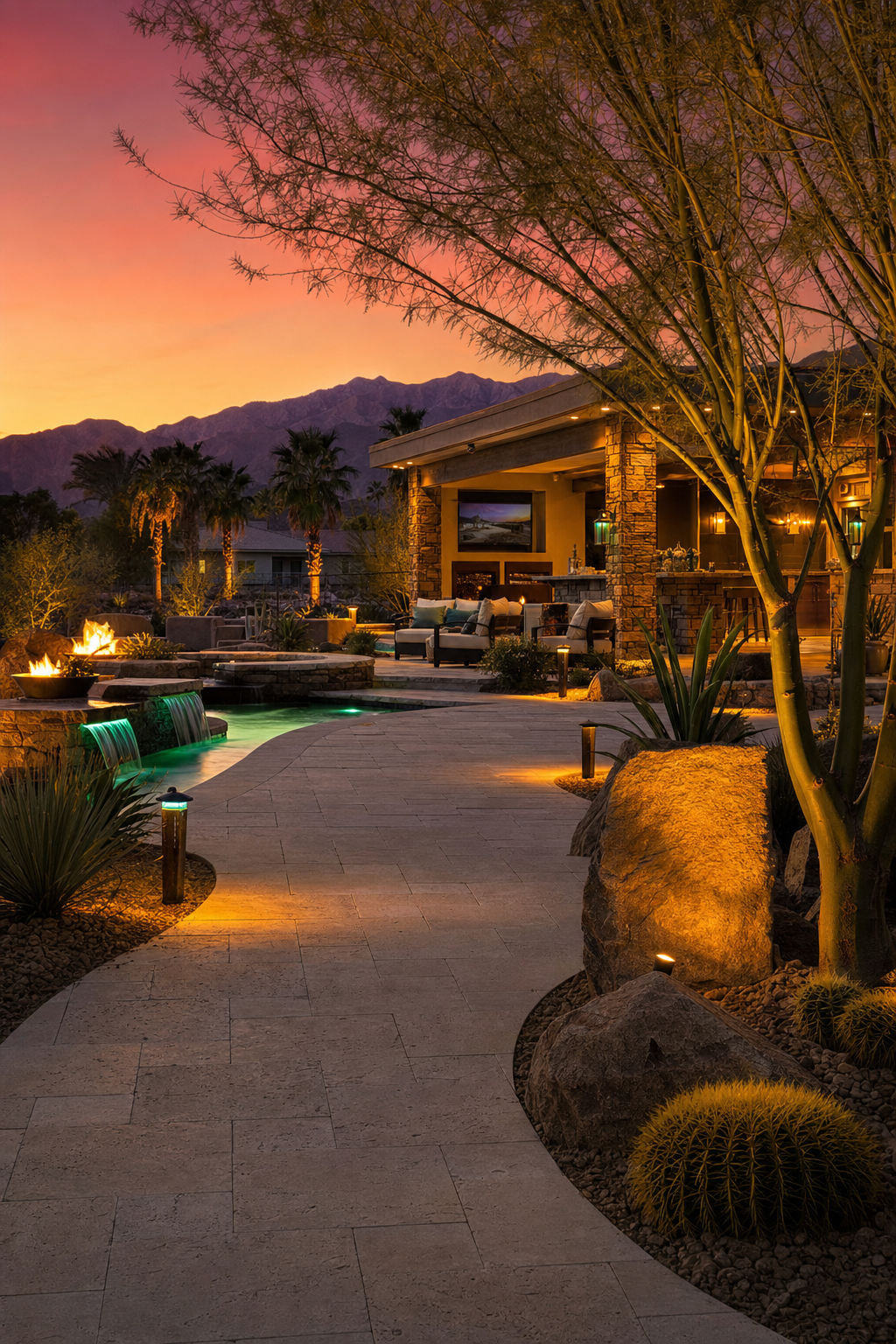
Managing a Palm Desert fall irrigation schedule requires transitioning from the high-frequency watering of summer to a deep soak, low frequency model. The Coachella Valley Water District (CVWD) provides a framework that highlights this shift. In August, your system likely ran six days a week to combat peak heat. By September, you should increase the volume per session slightly but decrease the total number of days the system activates. This allows the root zone to breathe while still receiving necessary hydration.
Plant Category | August Baseline | September Step Down | October Target |
|---|---|---|---|
Turf Grass (Spray) | 12 minutes daily | 10 minutes daily | 7 minutes daily |
Water-Efficient Shrubs | 0.9 gal/day (6 days) | 1.0 gal/day (5 days) | 0.9 gal/day (4 days) |
Water-Efficient Trees | 17 gal/day (6 days) | 18 gal/day (5 days) | 16 gal/day (4 days) |
Non-Desert Trees | 57 gal/day (6 days) | 63 gal/day (5 days) | 52 gal/day (4 days) |
These figures represent regional averages, but your specific property location significantly alters these needs. A home nestled in the north-facing coves of South Palm Desert might require 20 percent less water than a property in the open, high-wind corridors of the upper valley. Micro-climates, soil composition, and even the proximity of plants to heat-reflecting desert-suitable materials all dictate final adjustments.
When we design Landscape Lighting & Irrigation systems, we account for these variances to prevent oversaturation near custom driveways. If your turf spray remains at August levels through late September, you risk surface runoff that can degrade the sub-base of your hardscape. Use these benchmarks as a starting point, but always monitor soil moisture levels three to four inches below the surface before the next scheduled cycle. This manual check ensures the transition is tailored to your specific landscape footprint.
Adjusting Irrigation Zones for Trees and Shrubs
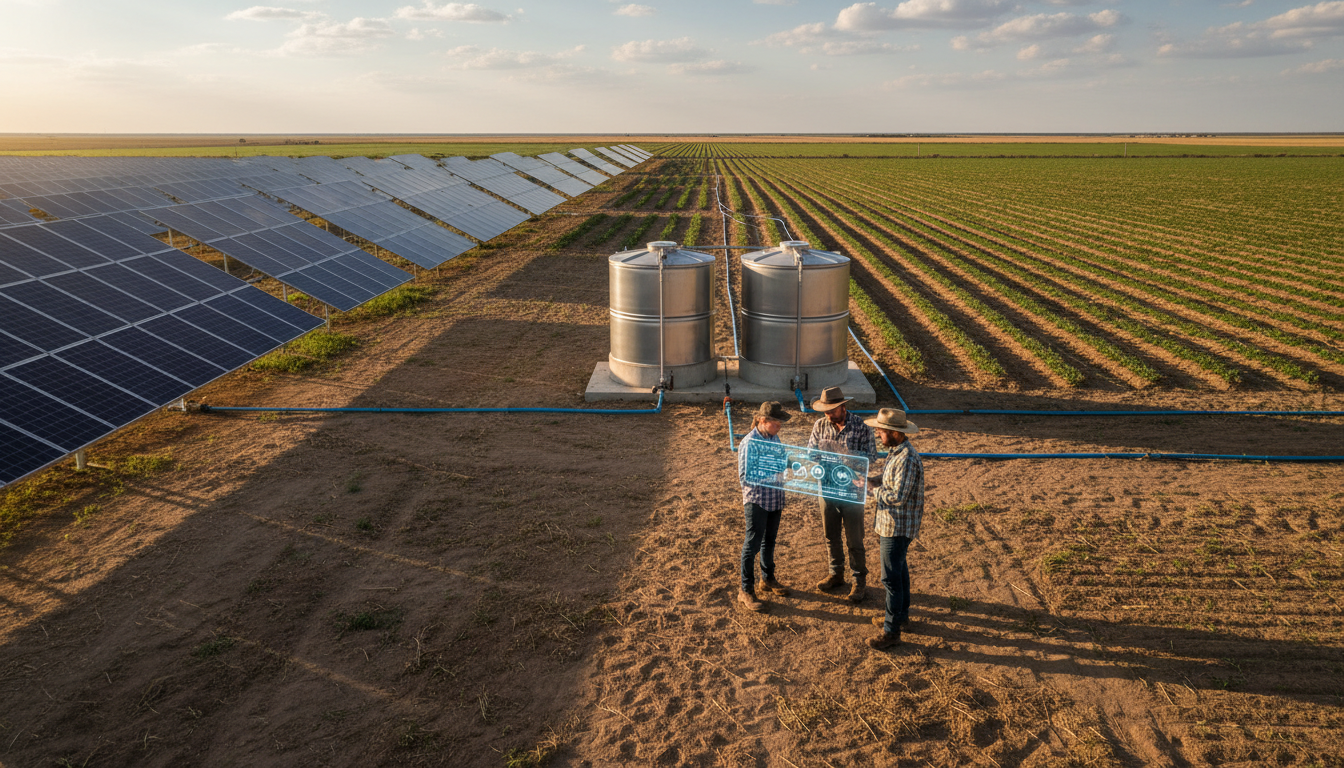
Refining your Palm Desert fall irrigation schedule requires a granular look at specific hydro-zones. Trees and shrubs possess significantly different root architectures and metabolic rates than turf, requiring a distinct approach to the September transition. For established water-efficient trees, the strategy shifts toward deep saturation rather than frequent surface wetting. You should increase the volume per watering event from 17 gallons to 18 gallons, but decrease the frequency from six days a week down to five.
This shift is vital for encouraging deep root growth before winter dormancy. By providing a higher volume of water less often, you force the moisture deeper into the soil, prompting roots to follow. Deeply rooted trees are not only more resilient against the high winds of the upper valley, but they are also less likely to develop the shallow, invasive root systems that can compromise the structural integrity of custom driveways or other hardscape features.
Shrubs require a similar adjustment. Water-efficient varieties should move from roughly 0.9 gallons per day six days a week to 1.0 gallon per day five days a week. As you audit these zones, account for new additions. October serves as the second major planting window in the Coachella Valley. These new specimens require a specific establishment watering schedule, which involves more frequent, shallow applications until the root ball integrates with the native soil. We recommend separating these new additions on their own Landscape Lighting & Irrigation circuits or using temporary drip emitters to avoid over-saturating the mature plants nearby. This prevents the soil saturation issues that often lead to mineral staining on desert-suitable materials located downstream of your planting beds.
How Fall Irrigation Impacts Your Pavers and Hardscape
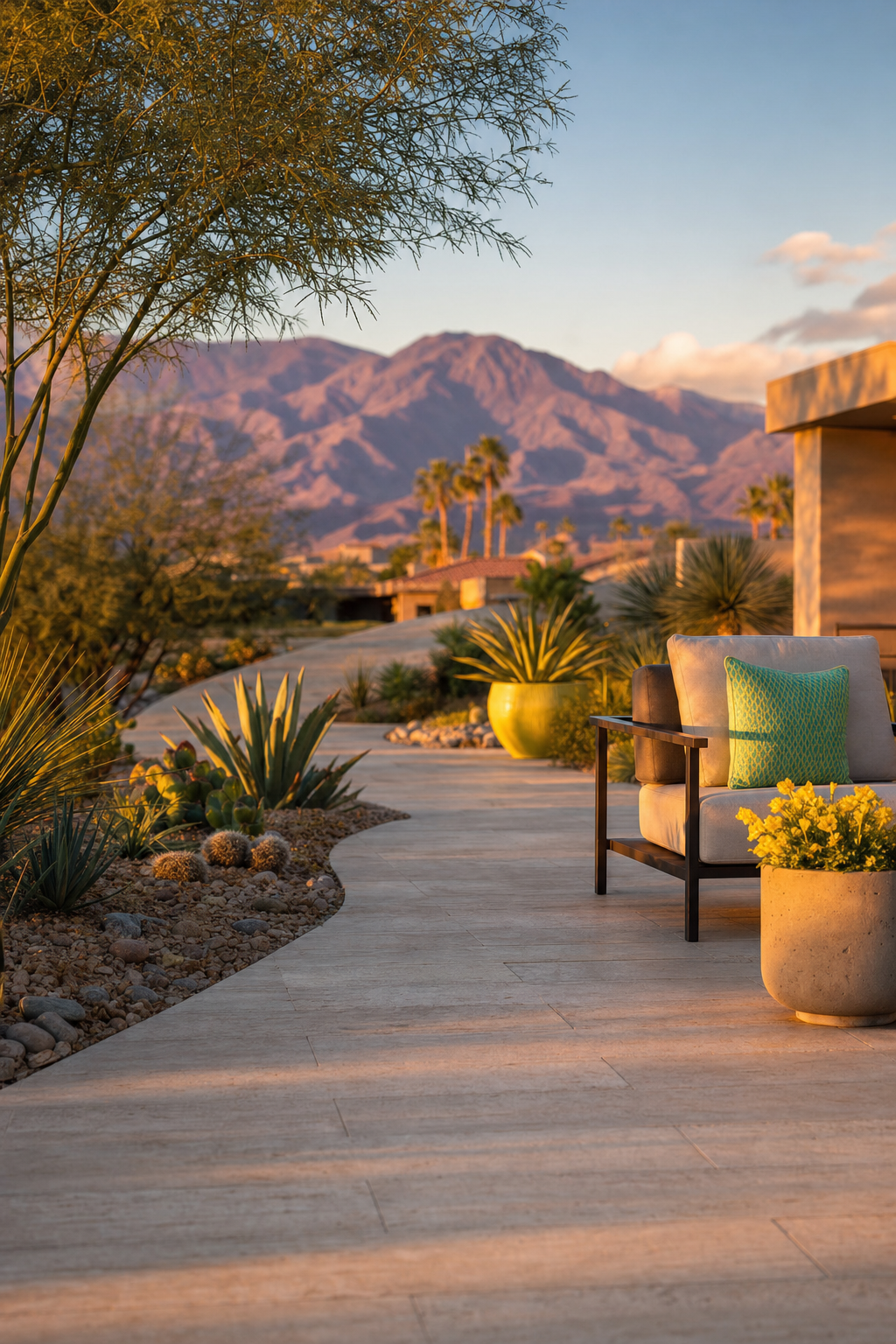
While the health of your flora is the primary focus of a Palm Desert fall irrigation schedule, the structural integrity of your hardscape is equally dependent on moisture control. Mismanaged water often flows where it is least visible: beneath the surface. When sprinklers are poorly aimed or when over-saturated soil allows water to sit against the edges of a patio, moisture can seep into the bedding sand and sub-base. For custom driveways, this internal pooling is particularly dangerous. If the compacted aggregate base remains perpetually wet, it loses the ability to distribute weight evenly, eventually leading to rutting, shifting, or uneven pavers as vehicles put pressure on the softened foundation.
September is the ideal window to perform a drainage audit before the arrival of intense, though infrequent, fall rain events. Standing water or slow-draining zones adjacent to desert-suitable materials are early warning signs of a failing system. At Pavers Pavers Pavers, we solve this by ensuring our Landscape Lighting & Irrigation designs are fully integrated with the hardscape installation. We utilize strategic grading and precision emitter placement to keep runoff away from structural joints. This proactive approach prevents the hydrostatic pressure that forces fine sediments out of the sub-base, preserving the level surface and longevity of your investment through the seasonal shift.
Smart Irrigation Technology and Rebates for Palm Desert Homeowners
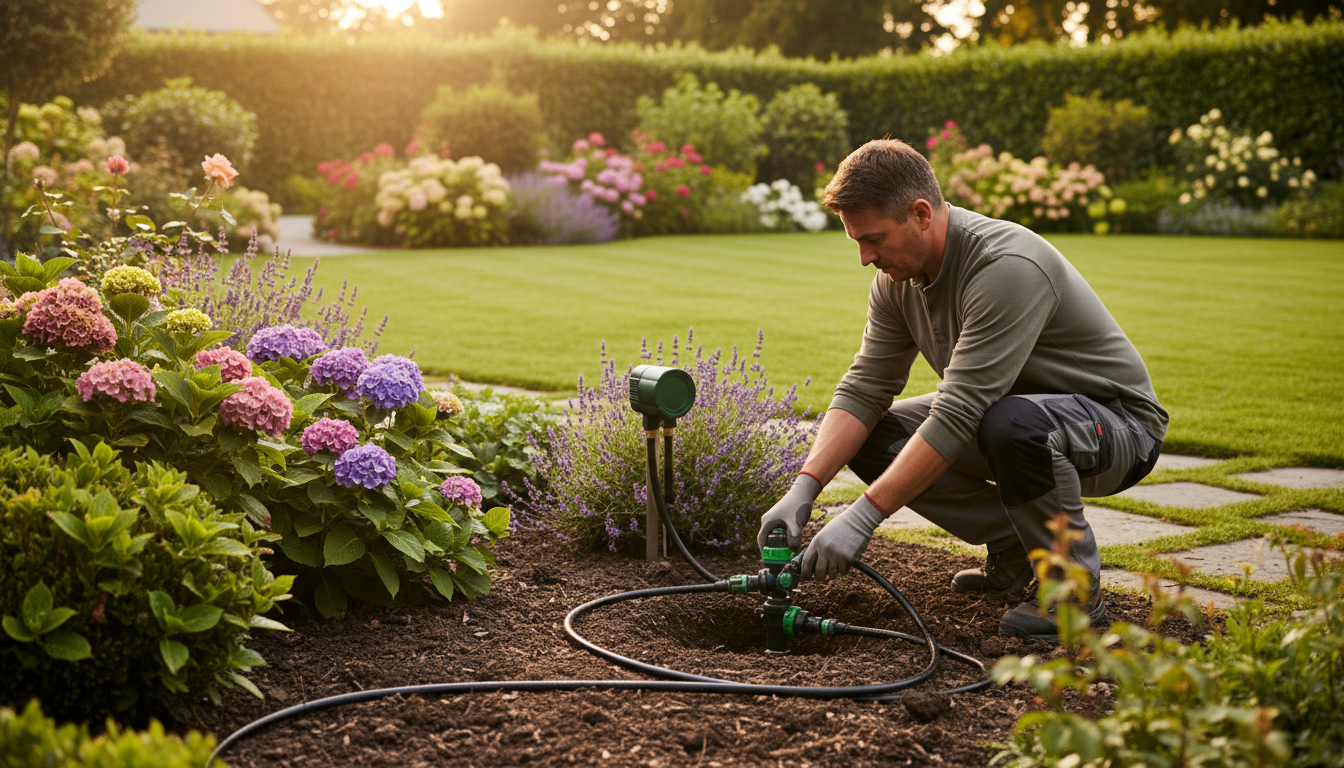
Modernizing your Palm Desert fall irrigation schedule no longer requires manual adjustments at the control box. Weather-based smart irrigation controllers automate the transition by syncing with local weather stations to calculate real-time Evapotranspiration rates. This technology ensures your landscape receives exactly what it needs as daylight hours dwindle, preventing the over-saturation that threatens the stability of custom driveways. The Coachella Valley Water District (CVWD) frequently offers rebates to offset the cost of these upgrades, making professional-grade precision accessible for local homeowners.
September is also the crucial time to audit your hardware. The extreme summer heat in Palm Desert often causes plastic emitters to become brittle or crack, while mineral deposits can clog drip lines. During your transition, inspect every zone for subsurface leaks that could compromise desert-suitable materials. Our approach to Landscape Lighting & Irrigation prioritizes these smart integrations, ensuring your system remains efficient and your hardscape foundation stays dry and secure. Identifying a failed seal now prevents the hidden erosion that often manifests as shifting pavers later in the season.
Fall Landscape FAQ: Common Coachella Valley Watering Questions
Navigating the nuances of a Palm Desert fall irrigation schedule often leads to specific maintenance questions regarding timing and volume.
Should you run sprinklers in October? Yes, you must continue watering, but the frequency should drop significantly from summer peaks. While the Coachella Valley air cools, the soil remains warm enough to require hydration. A standard target for October is reducing turf spray to seven minutes and shrub watering to four days a week.
How long should you run drip irrigation for shrubs? Unlike spray systems, drip irrigation requires significantly longer run times to reach the deep root zones of desert flora. We recommend running drip zones for 1 to 2 hours per session, depending on your emitter flow rate. This deep saturation is essential to prevent the surface salt buildup that can eventually mar desert-suitable materials.
Is 10 minutes of watering the lawn enough? For turf spray systems, 10 minutes is a standard September benchmark. However, this duration is entirely insufficient for drip systems or trees. Drip emitters release water slowly, so a 10 minute cycle would not provide enough volume to sustain plant health or maintain the soil stability required near custom driveways.
When should I turn off my sprinklers in the fall desert? You should never fully deactivate your system in the Coachella Valley. Instead, continue the step down process until you reach a winter minimum by December, which typically involves watering three days a week for most drought-tolerant species. Professional Landscape Lighting & Irrigation designs ensure these transitions happen seamlessly, protecting both your plant palette and your hardscape investment.
Transitioning your irrigation schedule this September is a vital step in maintaining the health and beauty of your Coachella Valley landscape. By gradually reducing water output as the temperatures cool, you ensure your plants receive exactly what they need for the upcoming season. If you would like expert help managing these adjustments or optimizing your system, our team is here to assist with your Landscape Lighting & Irrigation needs. We can help you maintain a lush, water-efficient garden throughout the entire year.