Effective paver maintenance Palm Desert post monsoon requires removing debris, replenishing eroded joint sand, and applying a fresh sealant to protect surfaces before winter. These steps stabilize shifting stones and prevent weed growth while ensuring your outdoor living space is ready for holiday hosting. Proactive maintenance after the rainy season restores the aesthetic appeal and structural integrity of your patio.
After the dust settles from another intense Coachella Valley monsoon, many Palm Desert homeowners are left with more than just a dirty patio. Flash floods and shifting sands often strip away the vital joint sand that keeps your hardscape stable, leaving your pavers vulnerable to shifting, weed intrusion, and structural degradation. Neglecting these minor erosions now can lead to costly repairs later, especially as we transition into the peak season for outdoor entertaining. This guide provides a professional roadmap for restoring your outdoor living space to its original elegance. You will learn how to conduct a thorough hardscape audit, why precision resanding is the foundation of stability, and how to select breathable sealants designed to withstand the desert heat. Prepare your property for holiday hosting by mastering the essentials of post-monsoon maintenance.
Why Post Monsoon Paver Maintenance is Essential in the Coachella Valley
The Coachella Valley monsoon season presents a distinct set of challenges for hardscapes that generic national maintenance guides often overlook. While the rest of the country prepares to shovel snow, residents in Palm Desert, La Quinta, and Indian Wells are entering their peak social season. This seasonal transition requires a specific approach to paver maintenance Palm Desert post monsoon because of how our local storms interact with the desert geography.
Heavy, sudden rains typical of late summer do more than just wet the surface; the sheer volume of water often flushes out the stabilized joint sand that keeps pavers locked in place. When this sand is lost, the structural integrity of your custom paver driveways and patios is compromised. Furthermore, the high winds accompanying these storms deposit fine desert dust and organic silt into the newly emptied gaps. This silt creates a fertile environment for weed growth and allows moisture to sit deeper in the base, which eventually leads to shifting or rocking pavers.
Effective paver cleaning, sealing, and resanding is not just about aesthetics; it is about restoring the lateral tension that prevents individual stones from moving under the weight of vehicle or foot traffic. Addressing these issues now ensures your desert outdoor living solutions remain stable, level, and safe for the busy entertaining months ahead. Restoring the joint sand before the dust fully compacts is the most effective way to protect the longevity of your investment.
The Post Monsoon Hardscape Audit: Identifying Erosion and Joint Failure
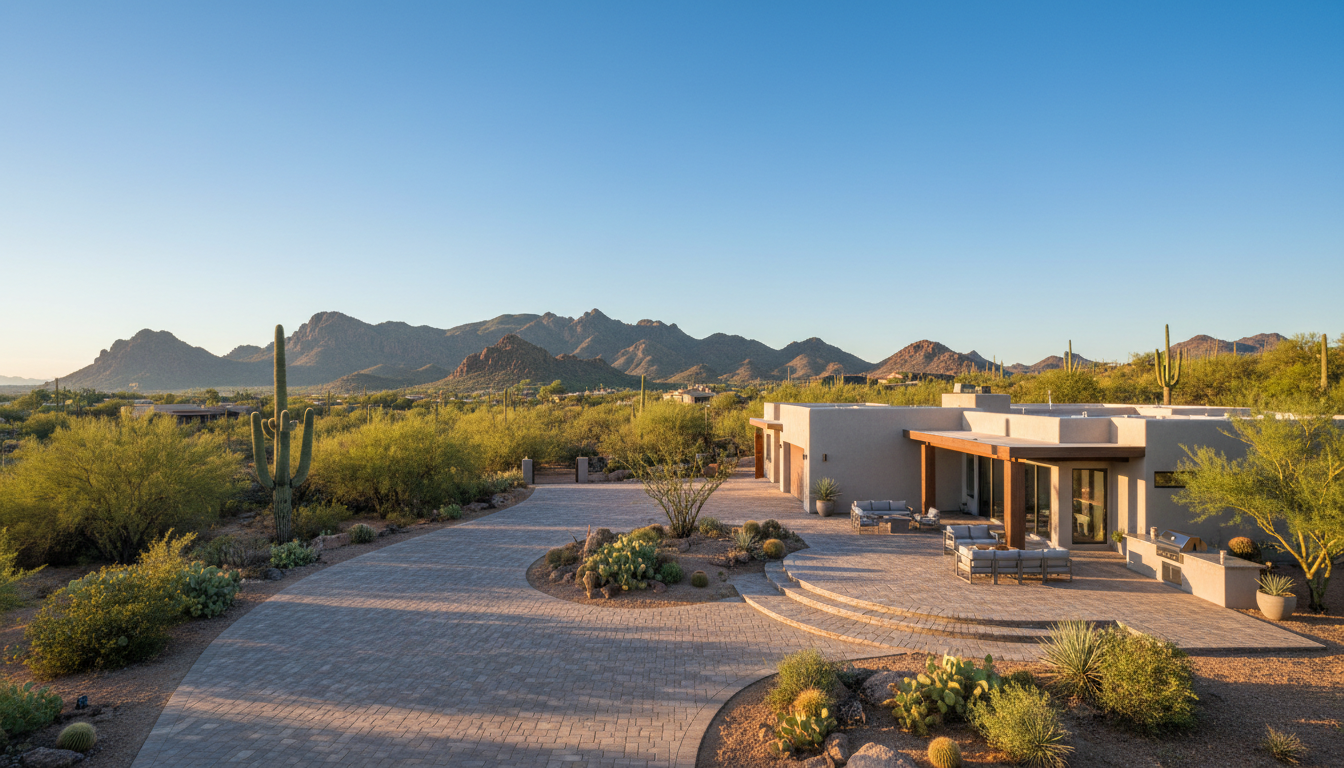
Identifying the difference between simple cosmetic dulling and true structural compromise is the first step in an effective audit. Start your inspection by removing all topical debris with a leaf blower or soft broom. Avoid hosing the area down during this phase; adding water to a dusty patio before it is clean can drive abrasive silt deeper into the stone face or joints, making professional cleaning more difficult later. Once the surface is clear, walk the perimeter of your custom paver driveways and patios to look for specific red flags.
Hollow Joints: Inspect the gaps between stones for areas where the sand level has dropped significantly. If you see deep, empty crevices, the lateral tension that creates "interlock" is failing, which allows individual units to shift under pressure.
Rocking and Shifting: Step on the corners of pavers, especially near high traffic transitions or pool coping. Any movement or "clicking" sound indicates that the bedding layer underneath has become saturated or that the support from the joint sand is gone.
Ponding Water: Note any low spots where water sits for hours after a storm. This often indicates a settling base or a drainage blockage that needs correction before it leads to further subgrade erosion.
Clogged Permeable Systems: If you have permeable desert outdoor living solutions, inspect the wider aggregate joints. Fine desert silt often forms a dense crust that prevents water from infiltrating the base, causing runoff and potential flooding.
Structural failure involves movement or drainage issues that compromise the subgrade. Cosmetic wear, such as salt efflorescence or UV fading, can be easily addressed during the paver cleaning, sealing, and resanding process, but structural movement must be stabilized first to ensure the longevity of the restoration. This audit provides the blueprint for the stabilization work that follows.
Resanding Your Pavers: Restoring Stability Before the Holidays
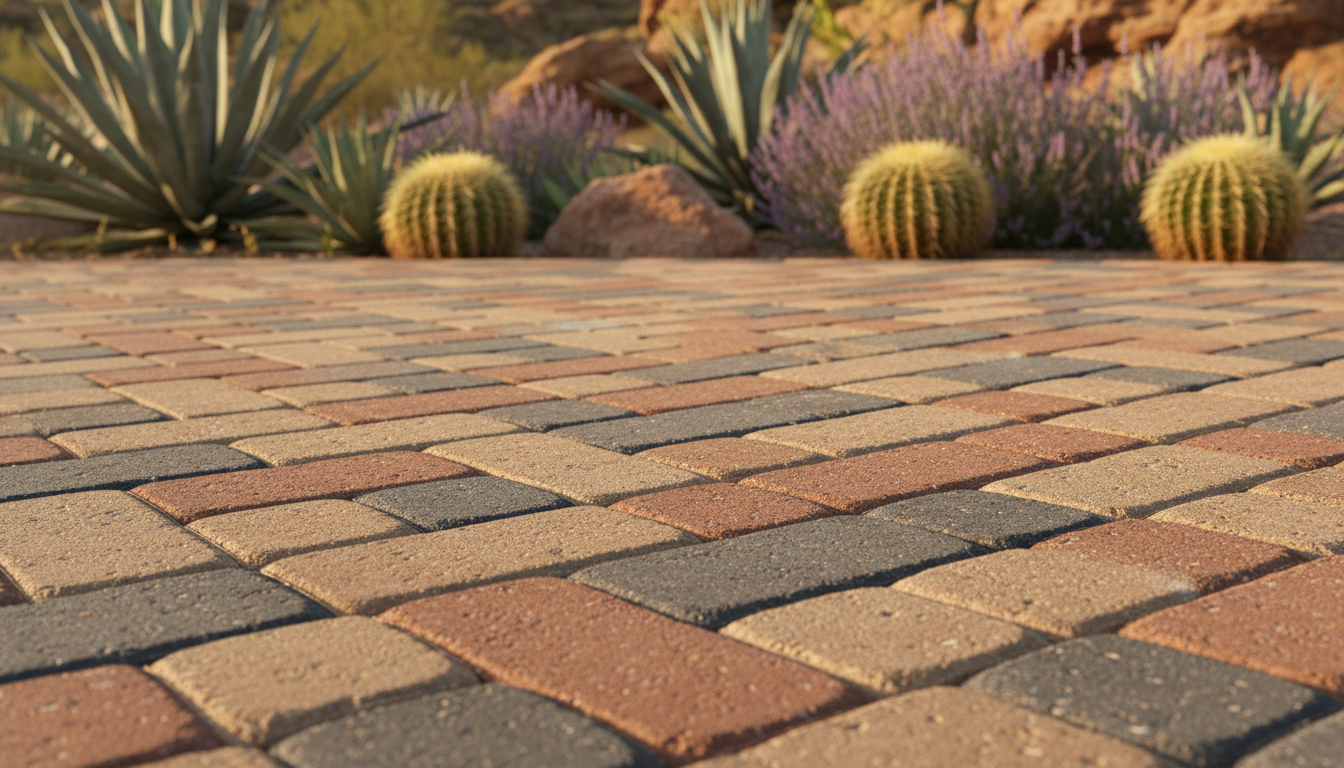
Once your audit identifies hollow joints or rocking stones, resanding becomes the immediate priority to ensure safety before the holiday season begins. Executing this step correctly is a cornerstone of effective paver maintenance Palm Desert post monsoon, as it bridges the gap between post-storm cleanup and long term protection. In the Coachella Valley, we specifically utilize high grade polymeric sand for paver cleaning, sealing, and resanding projects. Unlike standard silica sand, which remains loose and easily washes away during the next heavy rain, polymeric sand contains specialized additives that harden when activated by water. This creates a durable, semi-rigid bond that locks individual units together, effectively restoring the lateral tension required for a stable surface.
This structural reinforcement is the most critical step for holiday safety. As foot traffic increases during seasonal gatherings, loose or shifting pavers create subtle trip hazards, especially for guests wearing formal footwear or elderly relatives. By properly installing polymeric sand, you eliminate the clicking of rocking pavers and prevent the gaps from becoming traps for heels or debris. This process also acts as a primary defense against the weed growth and ant infestations that often follow the humidity of the monsoon season.
Homeowners frequently ask how long to wait to seal pavers after polymeric sand application. In the intense Palm Desert heat, the stabilization period is vital. We typically require a minimum of 24 to 48 hours of dry weather for the polymers to fully cure and harden throughout the depth of the joint. Attempting to seal too quickly can trap residual moisture within the sand, leading to a cloudy appearance or a failed bond between the sealer and the stone. This waiting period ensures the sand is completely set, providing the firm foundation necessary for the protective coatings that follow. For homeowners investing in custom paver driveways or expansive desert outdoor living solutions, this patience translates directly into a longer lifespan for the entire hardscape system.
Sealing for Longevity: Choosing Breathable Protection for Desert Heat
After the joints are stabilized with polymeric sand, the final layer of defense involves applying a high performance sealer. This step is a vital component of paver maintenance Palm Desert post monsoon because it shields the stone from the intense UV radiation that returns once the storm clouds clear. In the Coachella Valley, persistent UV exposure can fade the vibrant pigments in concrete pavers and cause natural stone surfaces to become brittle over time. Applying a protective barrier now prevents this degradation and keeps the surface looking new.
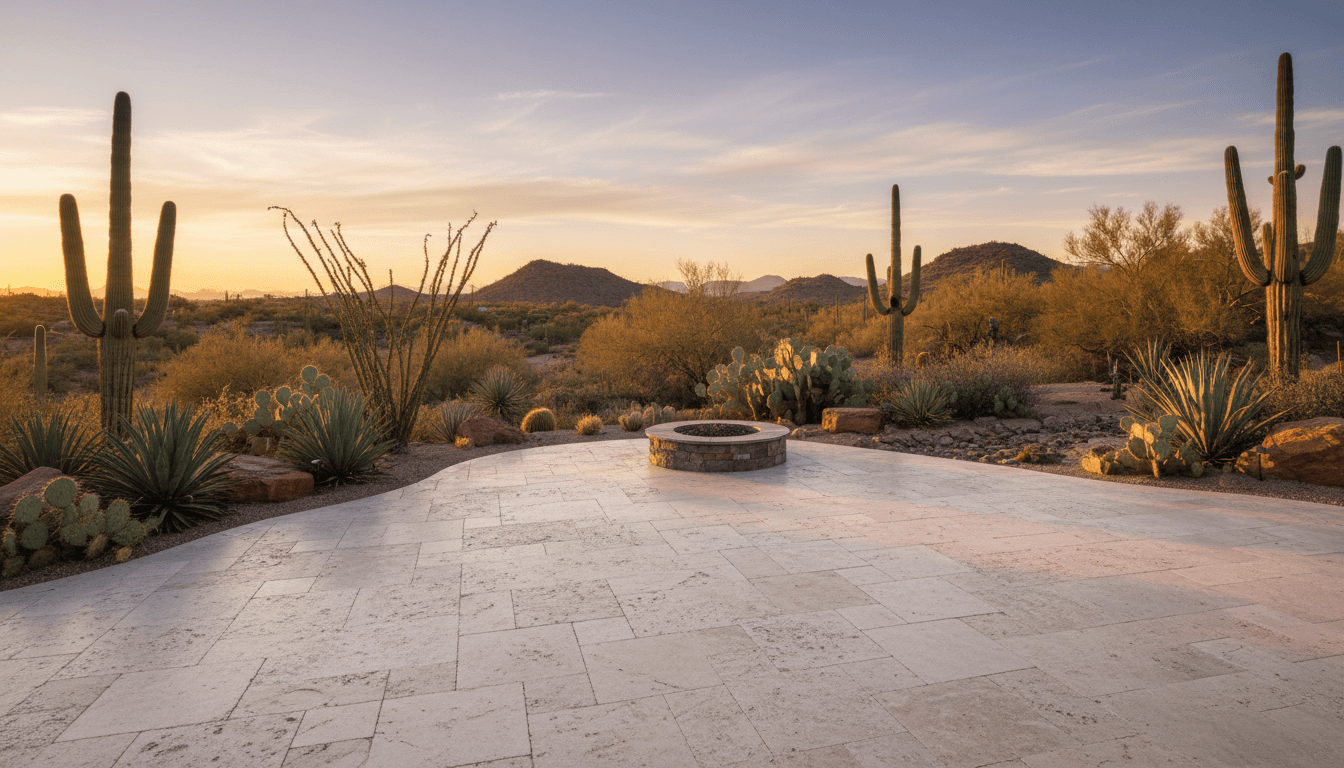
The most important factor in choosing a sealer for the desert is breathability. Homeowners often ask a common question: Is there a downside to sealing pavers? The only real downside is using the wrong product for a climate that routinely exceeds 100 degrees. Low quality or non breathable sealers act like a sheet of plastic wrap, trapping moisture and salt minerals beneath the surface. This leads to a white, cloudy film known as efflorescence, which is notoriously difficult to remove. This is especially risky for premium materials like travertine and natural stone found in Rancho Mirage and Indian Wells. These porous stones must be able to release moisture vapor to prevent the sealer from turning opaque or peeling.
Sealer Type | Best Use Case | Desert Benefit |
|---|---|---|
Penetrating (Natural Finish) | Travertine and Flagstone | Maximum breathability; won't trap heat |
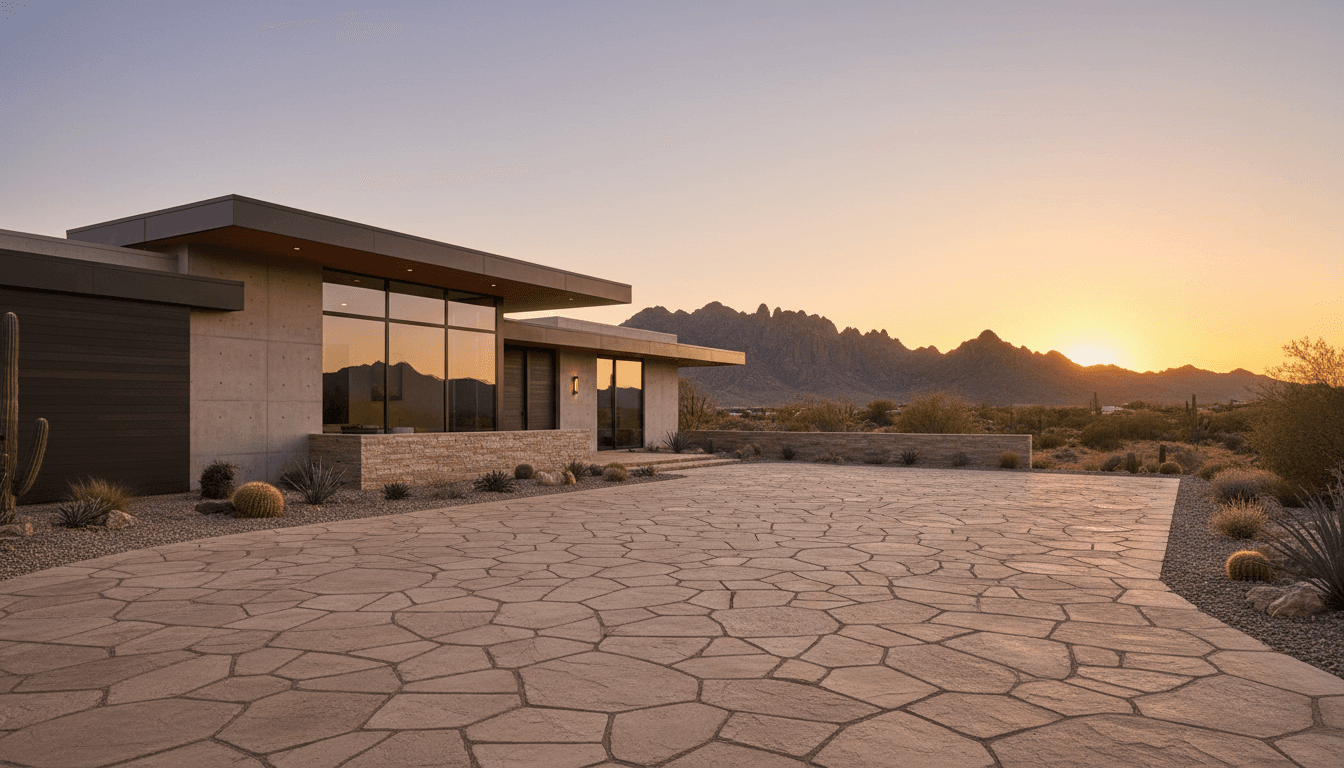
Enhanced (Wet Look) | Concrete custom paver driveways | UV protection and color restoration |
Joint Stabilizing | High-traffic desert outdoor living solutions | Provides a dual-purpose bond and shield |
For professional paver cleaning, sealing, and resanding, we prioritize penetrating sealers that anchor into the pores of the stone rather than sitting on top of it. This allows the hardscape to shed water and oil spills while retaining its ability to regulate temperature naturally. High grade products ensure your outdoor spaces remain vibrant and protected throughout the winter social season without the risk of heat induced failure.
Holiday Entertaining Must Haves: A Clean and Safe Outdoor Living Space
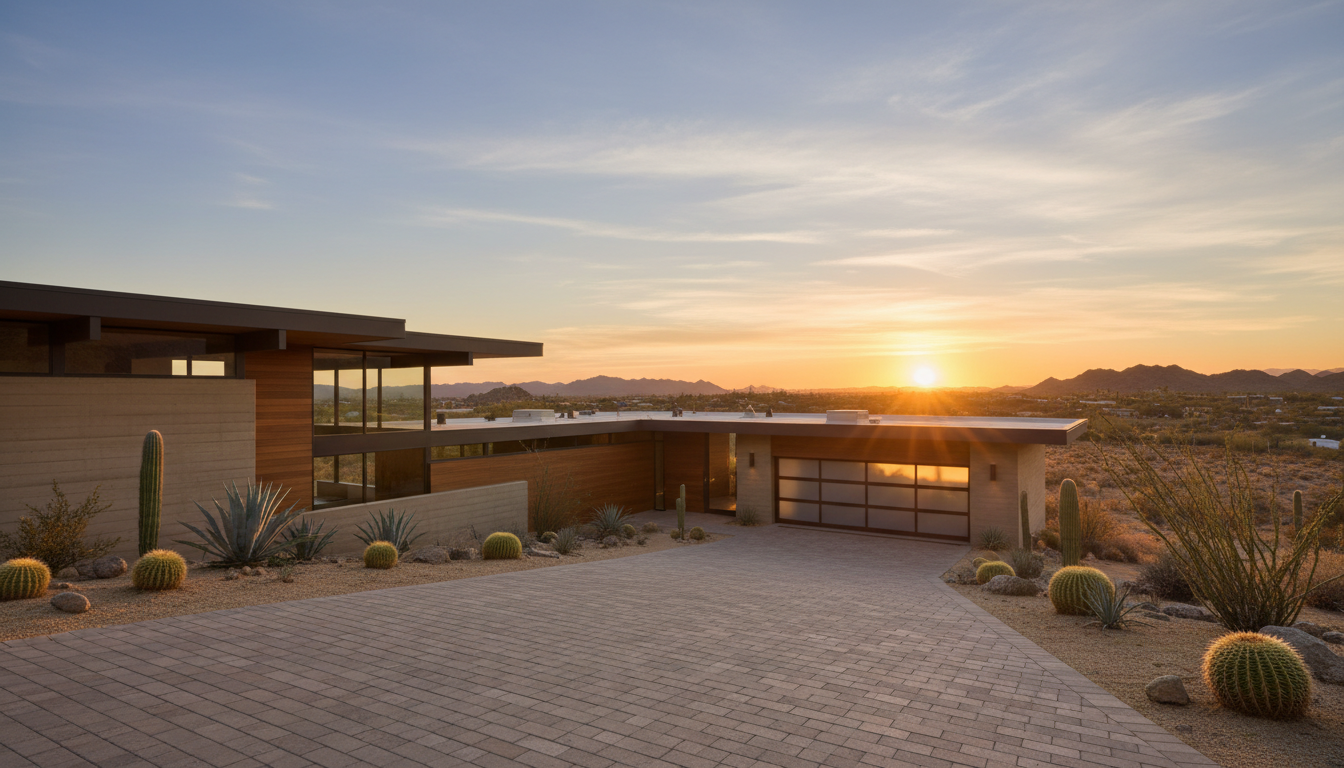
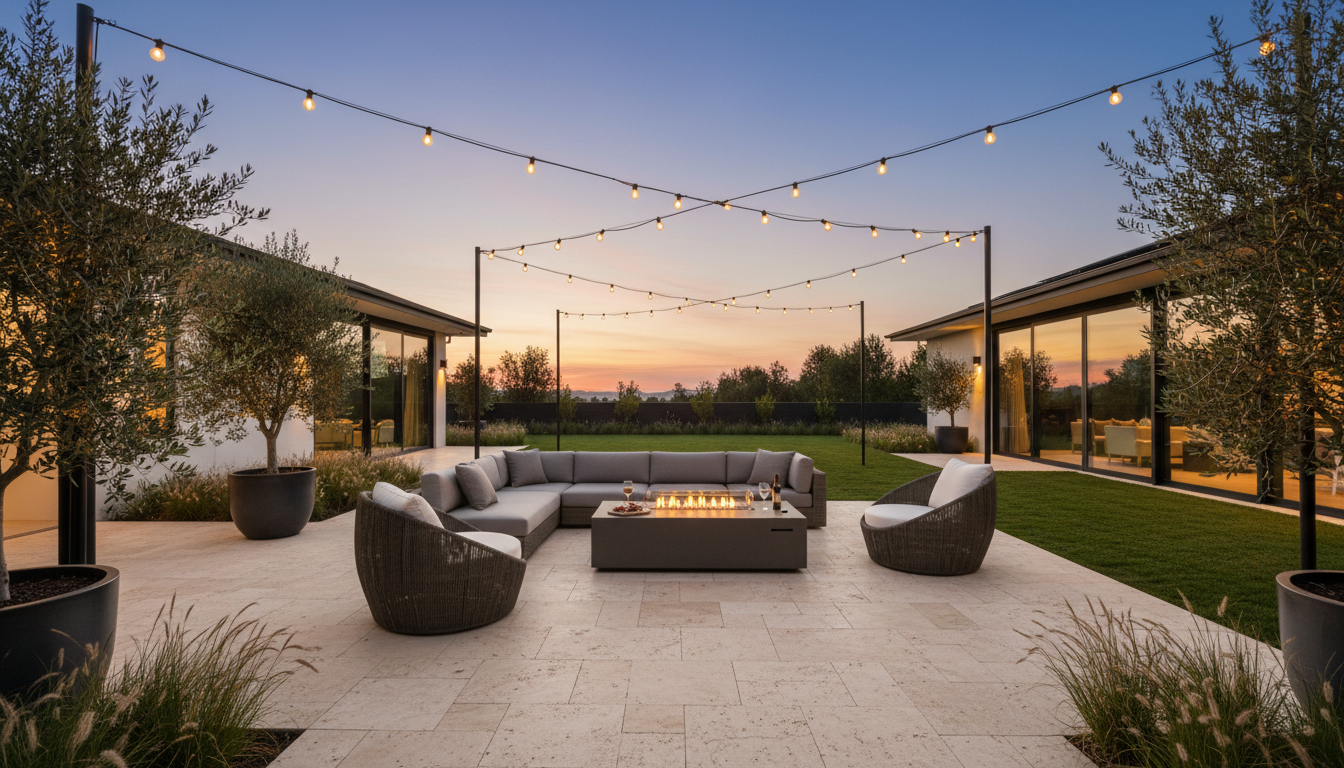
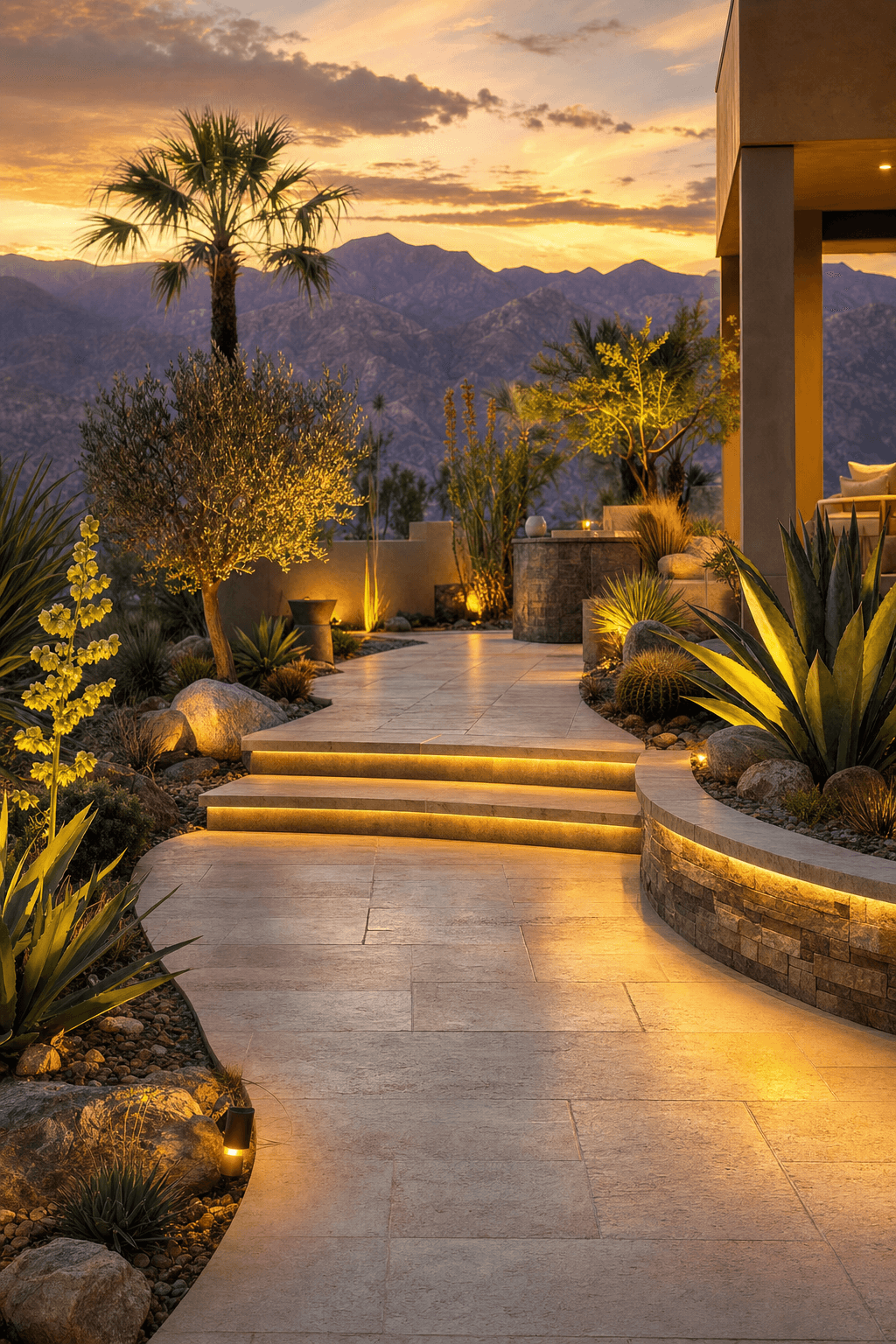
In the Coachella Valley, the shift from monsoon humidity to the mild winter social season transforms your patio into the primary venue for hosting. Integrating professional paver maintenance Palm Desert post monsoon into your holiday entertaining essentials ensures the space is visually striking and physically resilient. A freshly applied sealer does more than protect; it defines the aesthetic of your evening gatherings. A 'wet look' finish deepens the color of concrete units in custom paver driveways, while a 'natural matte' sealer preserves the understated elegance of stone without the shine. These finishes allow outdoor lighting to reflect or diffuse properly, creating a sophisticated ambiance for guests as the sun sets over the San Jacinto Mountains.
Beyond aesthetics, a sealed surface acts as a barrier against common party mishaps. Spilled wine, food grease, or tracked in dirt are much easier to lift from a sealed surface before they become permanent stains. For the day of your event, avoid a full pressure wash. A simple 'rinse and blow' procedure is sufficient; use a garden hose to clear topical dust and follow immediately with a leaf blower to prevent water spots. This quick routine, supported by professional paver cleaning, sealing, and resanding, ensures your desert outdoor living solutions remain the focal point of your seasonal celebrations while providing a safe, slip resistant surface for your visitors.
Professional vs DIY Paver Maintenance: Why Local Expertise Matters
Professional paver maintenance Palm Desert post monsoon requires a level of precision that standard consumer equipment rarely achieves. While renting a pressure washer might seem cost effective, inexperienced operation often leads to irreversible damage. High pressure nozzles can etch the surface of delicate travertine or blow out the critical bedding sand located beneath the stones. Once that base is disturbed, the entire surface loses its level, leading to the very shifting and ponding issues maintenance is supposed to prevent. Our technicians use specialized, adjustable pressure tools and surface cleaners that distribute force evenly, protecting the integrity of custom paver driveways while removing deep seated monsoon silt.
Timing is the other critical factor in the Coachella Valley. Local professionals understand how to navigate the unique humidity spikes that occur even after the main storm season. Applying sealers or polymeric sand when the dew point is too high or the surface temperature is extreme leads to blushing, a condition where the sealer turns a milky white. We monitor micro climate data to ensure every application happens within the optimal window for a permanent bond.
A common concern for homeowners is the question: Is it okay if it rains after sealing pavers? Ideally, sealers need at least 24 hours to cure before facing a heavy downpour. Professional paver cleaning, sealing, and resanding includes rigorous weather monitoring. If a sudden desert squall is forecasted, we adjust the schedule to ensure your desert outdoor living solutions are fully cured and protected. Entrusting these tasks to experts avoids the costly repairs associated with DIY errors, ensuring your hardscape remains a durable asset for years to come.
Keeping your outdoor spaces in top shape after the monsoon season ensures your patio stays beautiful for the upcoming holidays. By focusing on deep cleaning and refreshing the joint sand, you can prevent structural damage while boosting curb appeal. While many homeowners enjoy tackling these tasks themselves, managing the process can be quite time-consuming. If you want expert help to ensure the job is done right, our team offers professional Cleaning & Sealing services to help your property shine for every celebration.