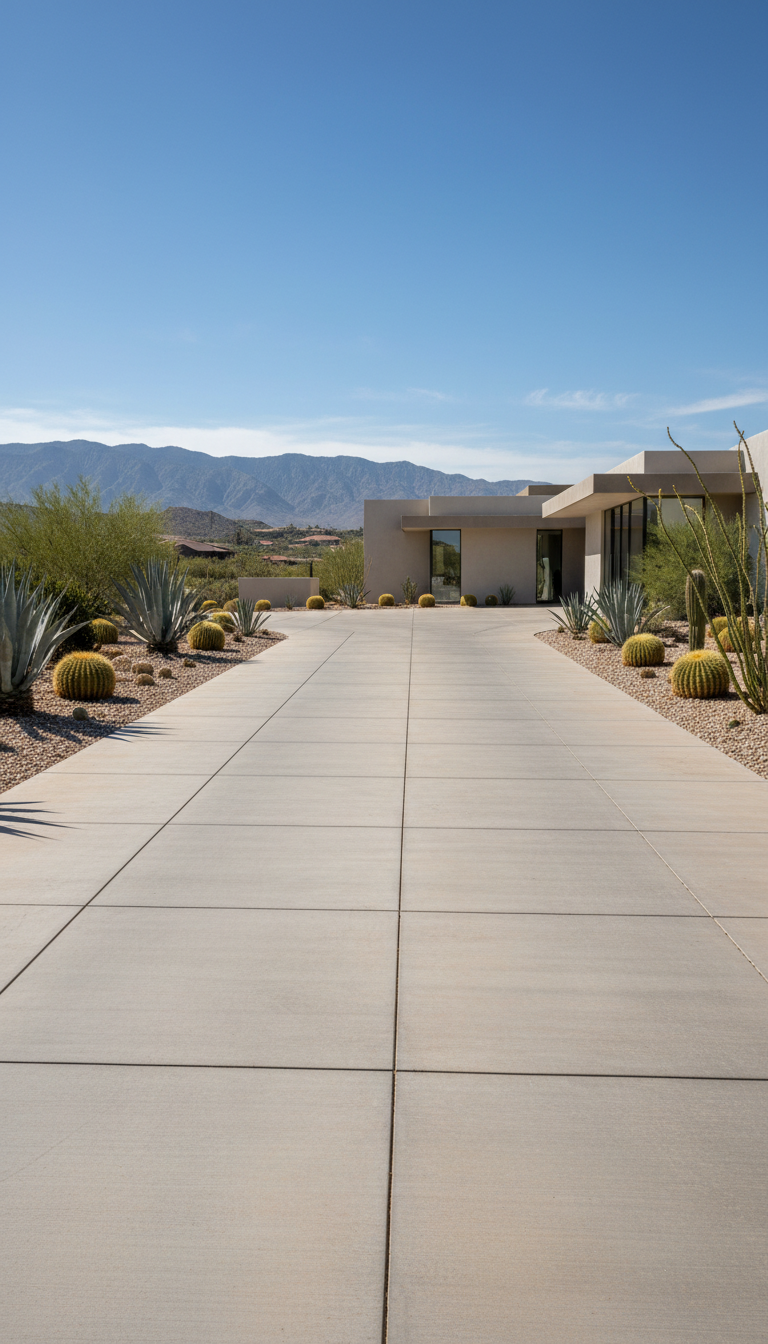
Effective paver base prep desert soil techniques involve deep excavation and mechanical compaction to stabilize the foundation against shifting. This preparation ensures proper drainage and structural integrity; it prevents the pavers from sinking or becoming uneven over time.
Homeowners in Palm Desert often assume that because the ground is dry, it is naturally stable for hardscaping. However, anyone who has watched a beautifully laid patio succumb to shifting sands or uneven settling knows that desert soil is deceptively difficult to manage. Without a meticulously engineered foundation, your investment can quickly turn into an expensive eyesore of cracked joints and trip hazards. This article examines the critical importance of specialized base preparation in the Coachella Valley. We will explore the technical nuances of soil stabilization, the necessity of professional grade compaction, and how to grade your landscape to withstand sudden seasonal flash floods. By understanding these professional standards, you can ensure your outdoor living space remains level, functional, and aesthetically striking despite the harsh thermal expansion and unique geological challenges of the California desert.
Can You Lay Pavers Directly on Desert Dirt?
Homeowners often ask if they can simplify their project by laying stones directly on the ground. In the Coachella Valley, the answer is a definitive no. While the sun-baked earth may appear solid, desert soil is notoriously unstable for structural hardscaping. Unlike the dense, cohesive clay found in the Midwest or East Coast, the soil across Palm Desert is frequently sugar sand. This fine, silty material lacks the binding properties necessary to support weight, especially when dry or subjected to vibration.
Laying pavers on raw dirt leads to immediate and visible failure. Without a structured foundation, individual stones will sink as the loose sand beneath them migrates. This creates uneven surfaces and dangerous trip hazards. Furthermore, raw desert soil is a prime environment for opportunistic weeds to emerge through the joints. In a climate where flash floods and extreme heat are common, raw dirt offers zero protection against erosion or shifting.
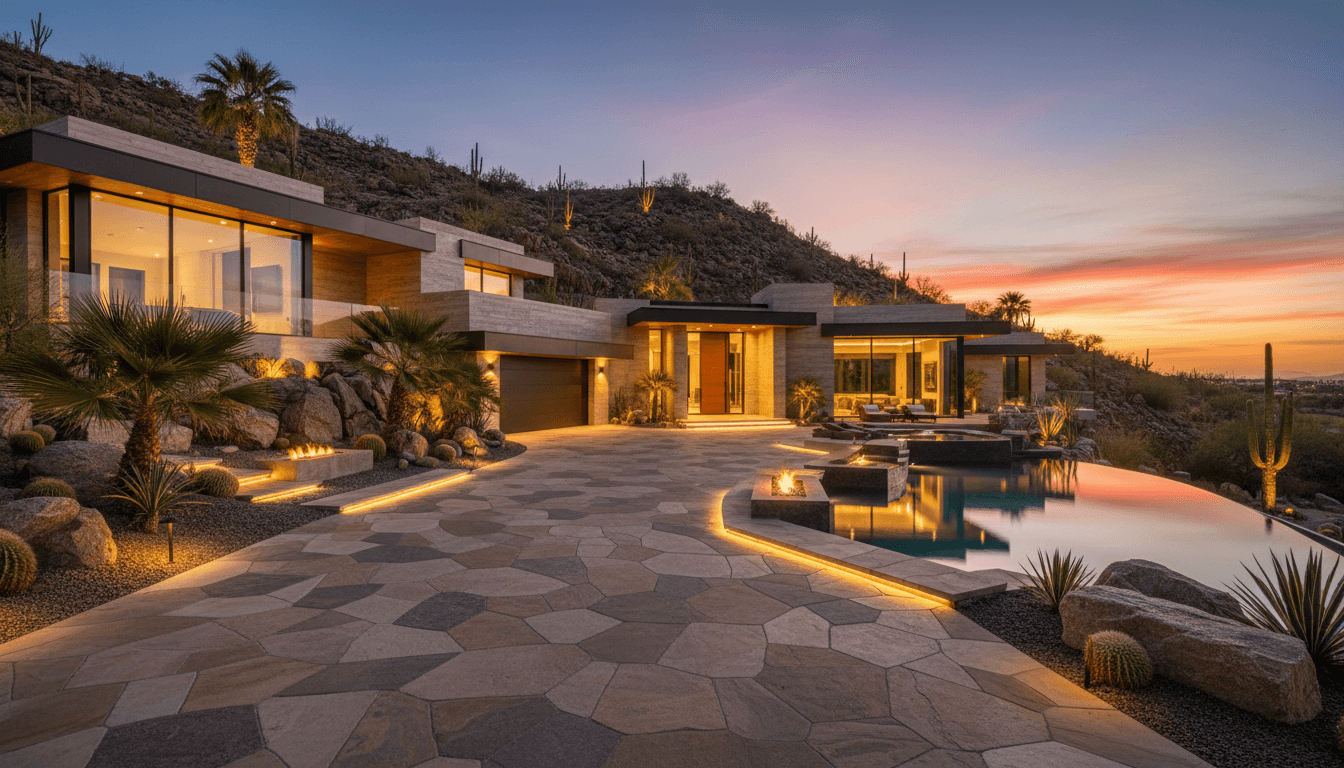
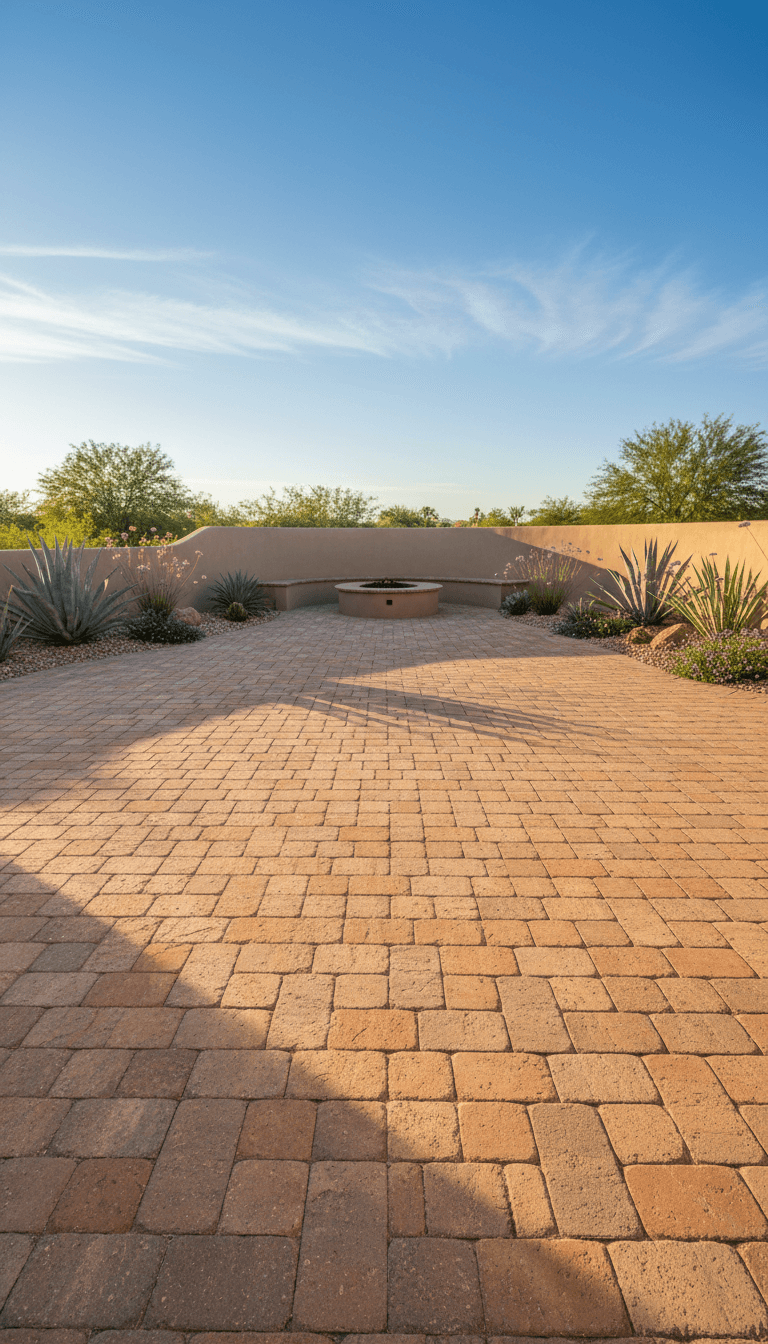
Achieving a lasting result for custom paver driveways or natural stone patios requires more than just clearing the surface. The specific consistency of our local ground makes professional paver base prep desert soil essential. Without it, the sugar sand acts like a fluid under pressure, causing driveways to rut and walkways to buckle. High-end Desert Landscaping relies on a clear understanding that the desert floor is not a foundation; it is merely the starting point for an engineered base system.
The Anatomy of a Professional Paver Base in Palm Desert
A professional installation is an engineered system consisting of five distinct layers, each serving a specific structural purpose. It begins with precise excavation. For a residential walkway, we typically dig 7 to 9 inches deep. However, for Palm Desert driveways, the depth must increase to 12 inches or more. This extra depth is necessary to accommodate a thicker structural base that can distribute the weight of vehicles without causing the pavers to rut or shift.
After the area is cleared, the native sub-grade is compacted to its maximum density. In the Coachella Valley, we frequently install a non-woven geotextile fabric over this compacted dirt. This fabric serves as a stabilization layer, preventing the fine, silty sugar sand from migrating upward and mixing with the clean stone base. Without this separation, the base material would eventually work its way into the desert floor, leading to significant settling and surface failure. This fabric is especially recommended in areas with high sand content, as it maintains the integrity of the layers for the life of the project.
The most critical structural component is the base material itself. We utilize Class II Road Base, a local aggregate mix specifically designed for heavy-load applications. While some general contractors might use rounded gravel or river rock, those materials lack the necessary friction to stay in place. Class II Road Base features angular edges and varying stone sizes that interlock under pressure, creating a rock-solid foundation. This layer is meticulously compacted before a 1-inch setting bed of sharp, washed bedding sand is screeded over the top. This final layer provides the leveling bed for the pavers, ensuring a perfectly flat finish for natural stone patios or custom paver driveways. By following this specific anatomy, we ensure the Desert Landscaping remains stable despite the unique challenges of the local environment.
Solving the Sandy Soil Challenge: Compaction and Stabilization
The success of a professional installation depends on achieving maximum density through mechanical compaction. In the arid heat of the Coachella Valley, paver base prep desert soil requires a delicate balance of moisture and force. We utilize heavy duty vibratory plate compactors that deliver thousands of pounds of centrifugal force per square foot. This mechanical vibration reorders the angular aggregates of the Class II base, forcing them to interlock and eliminating the air pockets that would otherwise lead to rutting under pressure.
Achieving this density relies on reaching the optimum moisture content of the material. In environments like Indian Wells and Rancho Mirage, where the air quickly strips moisture from the ground, the base can become brittle if worked dry. We introduce a controlled mist of water during the compaction process. This liquid acts as a lubricant, allowing stone particles to slide into their tightest possible configuration. If the soil is too dry, it won't bind; if it is too wet, it becomes unstable. By hitting this precise threshold, we ensure the sub-grade for custom paver driveways or natural stone patios is as rock-solid as the pavers themselves, creating a foundation that will not yield under the weight of a vehicle or the passage of time.
Managing Coachella Valley Drainage: Grading for Flash Floods
Coachella Valley weather is defined by extremes; while the region receives minimal annual rainfall, the precipitation that does arrive often comes in high-intensity bursts during monsoon season. Managing this sudden volume of water requires a base engineered for both surface runoff and vertical infiltration. Professional grading is the first line of defense. We establish a precise slope, typically a minimum of one percent, to ensure water moves efficiently away from the home’s foundation and toward designated drainage areas or desert landscaping zones. This prevents water from pooling against the residence, which can lead to costly structural issues or localized soil saturation that destabilizes the perimeter.
Beyond surface grading, the internal structure of the installation serves as a hidden drainage system. Unlike solid concrete slabs that force all water to run off the edges, a well-executed paver base prep desert soil allows for natural percolation. Rainwater filters through the jointing sand and into the Class II road base, where it can slowly dissipate into the ground. This vertical drainage is essential during flash floods to prevent hydrostatic pressure from building directly beneath the stones. Without this engineered exit path, trapped water can cause pavers to "float," a phenomenon where the bedding layer becomes saturated and allows individual stones to shift or lift. By prioritizing these hydraulic dynamics in custom paver driveways and natural stone patios, we ensure the entire system remains locked in place, even when subjected to the most intense desert storms.
Heat Resistance: How Base Prep Protects Against Thermal Expansion
The relentless heat of the Coachella Valley, where surface temperatures often exceed 120°F, presents a unique challenge for hardscaping. As materials absorb solar energy, they undergo thermal expansion. In a rigid concrete slab, this internal pressure often leads to unsightly, zig-zagging cracks because the material has nowhere to move. A system built on professional paver base prep desert soil, however, functions as a flexible pavement. By utilizing a deep, compacted aggregate base, the system provides a stable yet adaptable platform that resists the damaging effects of the sun.
Individual units like concrete pavers or travertine slabs are separated by sand-filled joints. These joints act as micro-expansion gaps, allowing each stone to expand and contract independently without compromising the structural integrity of the entire surface. Travertine is particularly prized for natural stone patios because it remains cooler to the touch while resisting the warping effects of the sun. For custom paver driveways, high-density concrete pavers provide the necessary mass to withstand the heat while the underlying Class II base absorbs the stresses of fluctuating temperatures. This engineered flexibility is why pavers outlast poured concrete in our Desert Landscaping projects, maintaining a level, crack-free surface despite the extreme desert climate.
Common Signs of Poor Base Prep in Local Landscapes
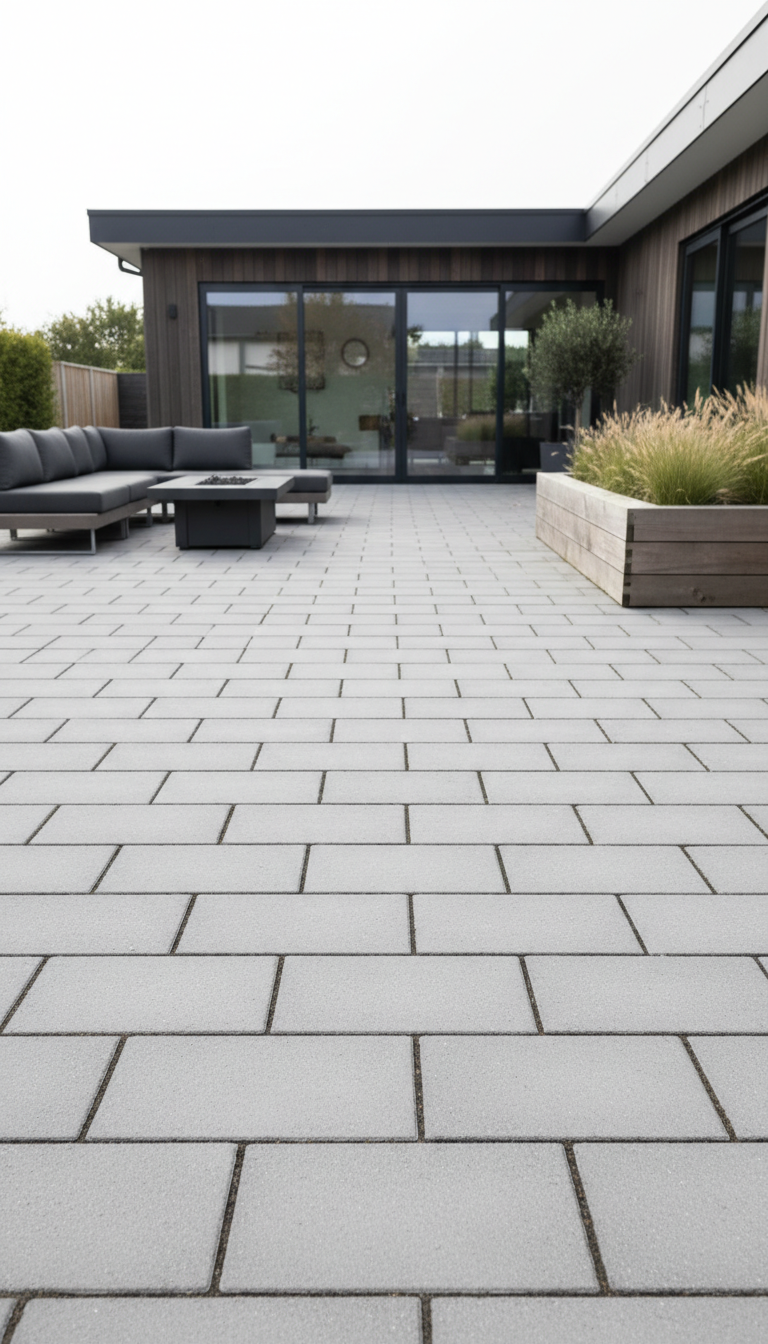
Walking through established neighborhoods in La Quinta or Palm Desert, you will often see hardscapes that appear to be melting into the ground. These visible defects rarely stem from the quality of the pavers themselves; instead, they are the functional symptoms of inadequate paver base prep desert soil. The most frequent indicator is "dipping" or rutting in custom paver driveways, specifically in the tracks where vehicle tires consistently rest. This occurs when the sub-grade was not compacted to a high enough density, allowing the weight of the vehicle to compress the loose, un-engineered material below.
On natural stone patios, failure often manifests as pavers that rock or wobble underfoot. This instability suggests the bedding sand layer is uneven or the structural base has migrated due to a lack of stabilization fabric. You might also notice large, irregular gaps appearing in the jointing sand or stones that have physically separated from one another. When the base shifts, the interlock between stones is broken, leading to lateral movement and trip hazards. These structural flaws compromise the safety and aesthetics of your Desert Landscaping. Because correcting these failures usually requires a complete teardown and re-excavation, the long-term ROI of your project depends entirely on the engineering hidden beneath the surface.
Why Professional Grade Equipment Matters for Desert Hardscaping
Achieving the necessary stability for custom paver driveways requires equipment that goes far beyond what is available at a typical rental shop. A common DIY mistake involves using a manual hand-tamper to consolidate the ground. In the Coachella Valley, a hand-tamper simply cannot exert the force required to reach the 95 to 98 percent compaction standard necessary for load-bearing surfaces. Without this high-density finish, even the most expensive stones will eventually settle into the shifting desert floor.
Pavers Pavers Pavers utilizes industrial-grade vibratory plate compactors that generate intense mechanical energy, forcing the Class II road base into a solid, interlocking mass. We further ensure the precision of our paver base prep desert soil by employing dual-slope laser levels. These tools allow us to establish exact elevations across large natural stone patios, ensuring the surface is perfectly flat while maintaining the subtle pitch required for drainage. This level of technical accuracy is fundamental to high-end Desert Landscaping, providing a foundation that remains stationary for decades despite heavy vehicle traffic and intense thermal cycles.
Understanding the unique challenges of desert soil is essential for a long lasting hardscape. Without a stable base, your beautiful pavers are likely to shift or crack over time. If you want expert help navigating these technical steps, we are here to support your project. Our team specializes in designing Custom Driveways and patios that stand the test of time. Reaching out for professional guidance can save you from costly repairs later, ensuring your outdoor space remains flawless for years to come.