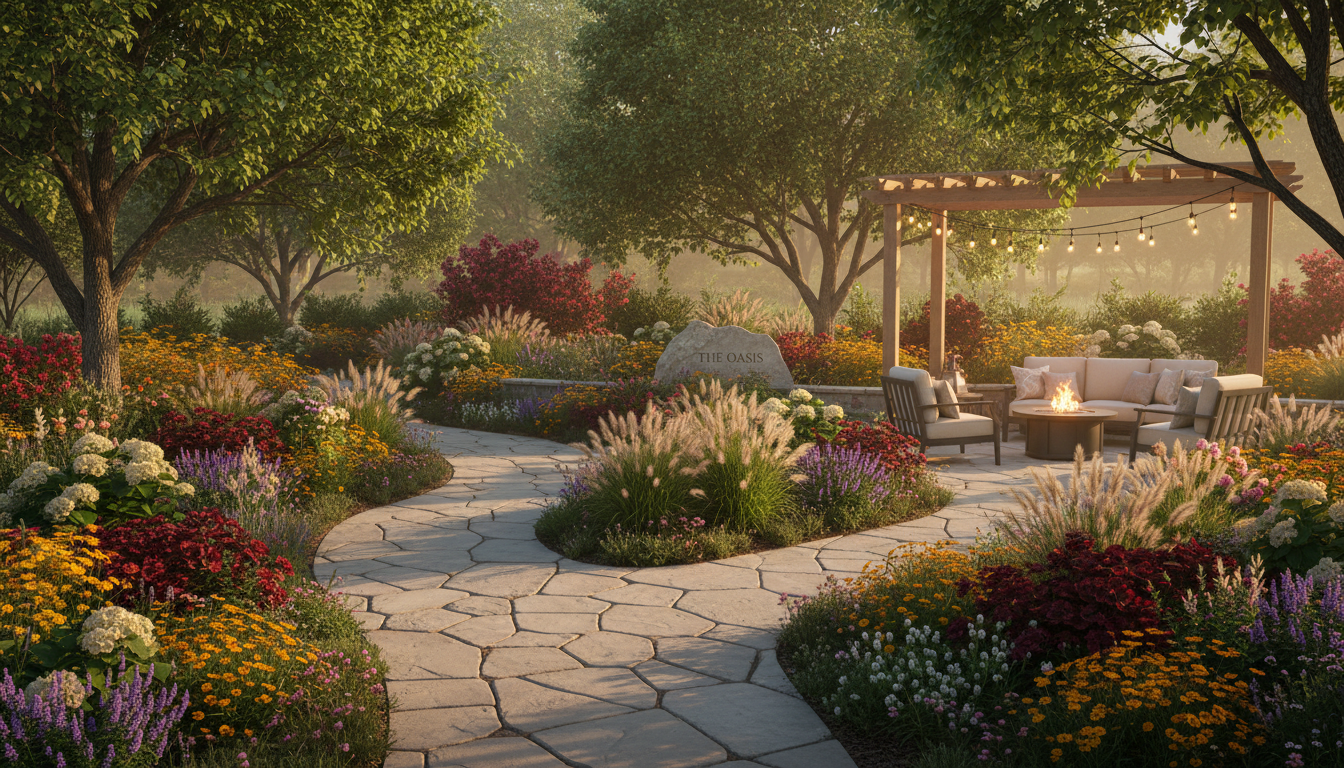
Homeowners should plan how often to seal pavers palm desert by scheduling a re-application every two to three years to ensure maximum protection. This regular maintenance shields the stones from intense sun damage and prevents deep stains; furthermore, consistent sealing preserves the structural integrity and aesthetic appeal of the outdoor space.
Living in Palm Desert means enjoying year round sunshine, but that same relentless heat can turn your pristine driveway or patio into a faded, brittle liability. The Coachella Valley presents a unique set of challenges; from intense UV radiation to abrasive sandstorms, your pavers are constantly under siege. Understanding the correct sealing frequency is not just about keeping things looking sharp; it is about protecting your financial investment from the desert’s harsh elements. In this guide, we will break down the specific maintenance timelines for materials like travertine and concrete. You will learn the clear signs that your sealant has failed and why timing your application to the desert seasons is critical. Whether you are managing a luxury pool deck or a high traffic driveway, this expertise will help you maintain a flawless outdoor space.
Why Paver Sealing Frequency Matters in the Coachella Valley
Maintaining a high end landscape in Palm Desert, Rancho Mirage, or Indian Wells requires a different strategy than in more temperate regions. The Coachella Valley presents a unique set of environmental stressors that directly impact the longevity of outdoor surfaces. While high quality pavers are incredibly durable, they are not invincible to the relentless UV radiation and extreme thermal cycles characteristic of our desert climate. Intense sunlight acts as a catalyst, accelerating the chemical breakdown of protective coatings far faster than most national manufacturers realize.
When homeowners research how often to seal pavers palm desert, they frequently encounter generic advice suggesting a five year maintenance interval. In our region, waiting that long often results in avoidable damage. Sealing serves two critical functions that go beyond simple aesthetics. First, it provides structural protection by stabilizing the joint sand, which prevents erosion and keeps individual stones from shifting. Second, it creates a barrier against the porous nature of concrete and stone. Without this protection, everyday substances like motor oil on custom driveways or food oils on natural stone patios will penetrate deep into the substrate, leaving permanent stains that professional cleaning cannot always remove.
Understanding the difference between a weathered look and structural degradation is vital. While the aesthetic loss of color pigments is the most visible sign of wear, the failure of the sealant's protective film is what leads to long term instability. Proper maintenance in the Coachella Valley is a proactive measure designed to combat 120 degree surface temperatures and the abrasive nature of windblown sand.
The General Rule: How Often to Seal Pavers Palm Desert
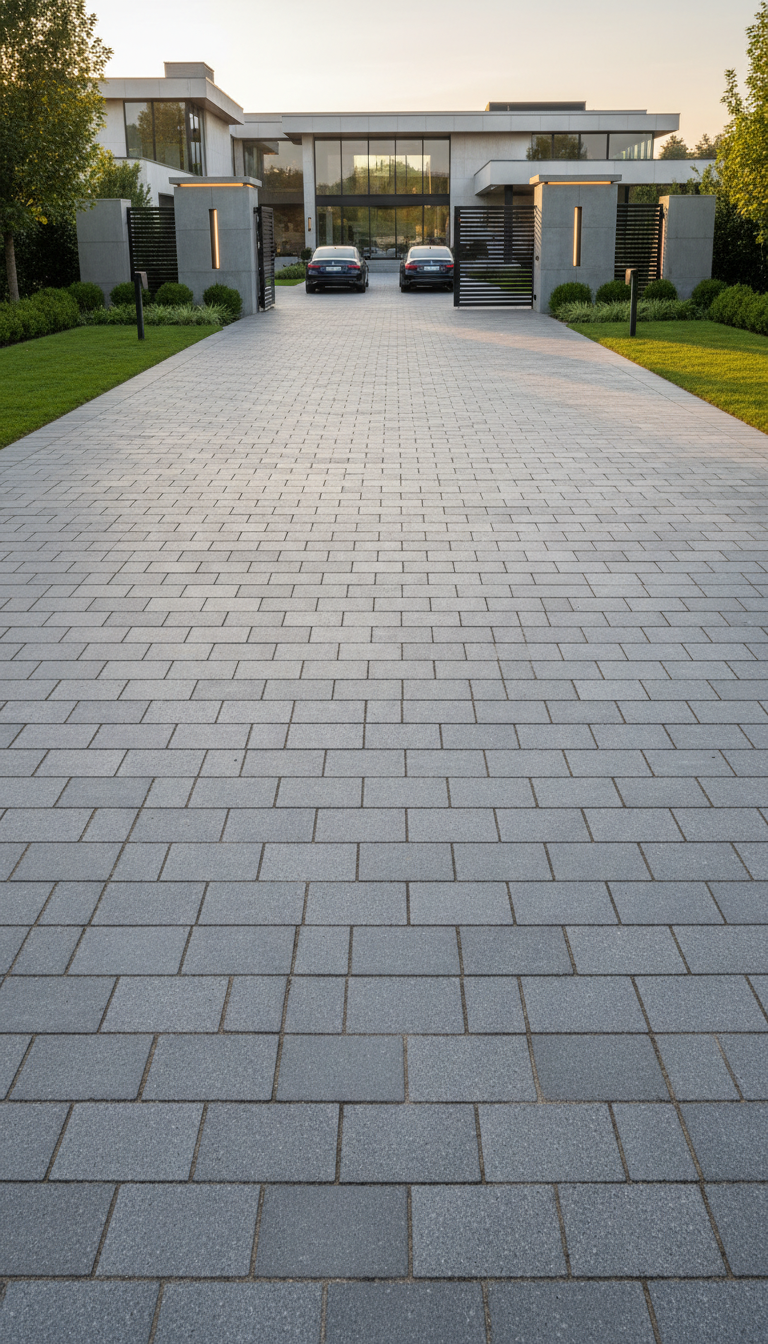
For property owners in the Coachella Valley, the standard recommendation for re-sealing is every 2 to 3 years. This interval is significantly shorter than the 3 to 5 year cycle common in temperate coastal regions. The discrepancy is driven by the extreme thermal demands of our local environment; high heat causes the sealer to work harder, and the lack of cloud cover allows UV rays to steadily strip away the protective film.
Traffic volume determines where your specific property falls within that 2 to 3 year window. Custom driveways that endure daily vehicle friction and hot tire pickup generally require attention every 2 years to maintain their integrity. In contrast, decorative borders or low-traffic side paths that receive less direct wear may stay protected for up to 4 years.
Success in desert landscaping relies on proactive rather than reactive care. Waiting until the pavers look bleached or ruined is a strategic mistake. Once the protective barrier is completely gone, the porous material is vulnerable to permanent staining and structural shifting. Understanding how often to seal pavers palm desert allows you to schedule maintenance while the stones are still in good condition, ensuring that your natural stone patios remain a high-value asset rather than a restoration project.
Material Specifics: Travertine vs Concrete vs Natural Stone
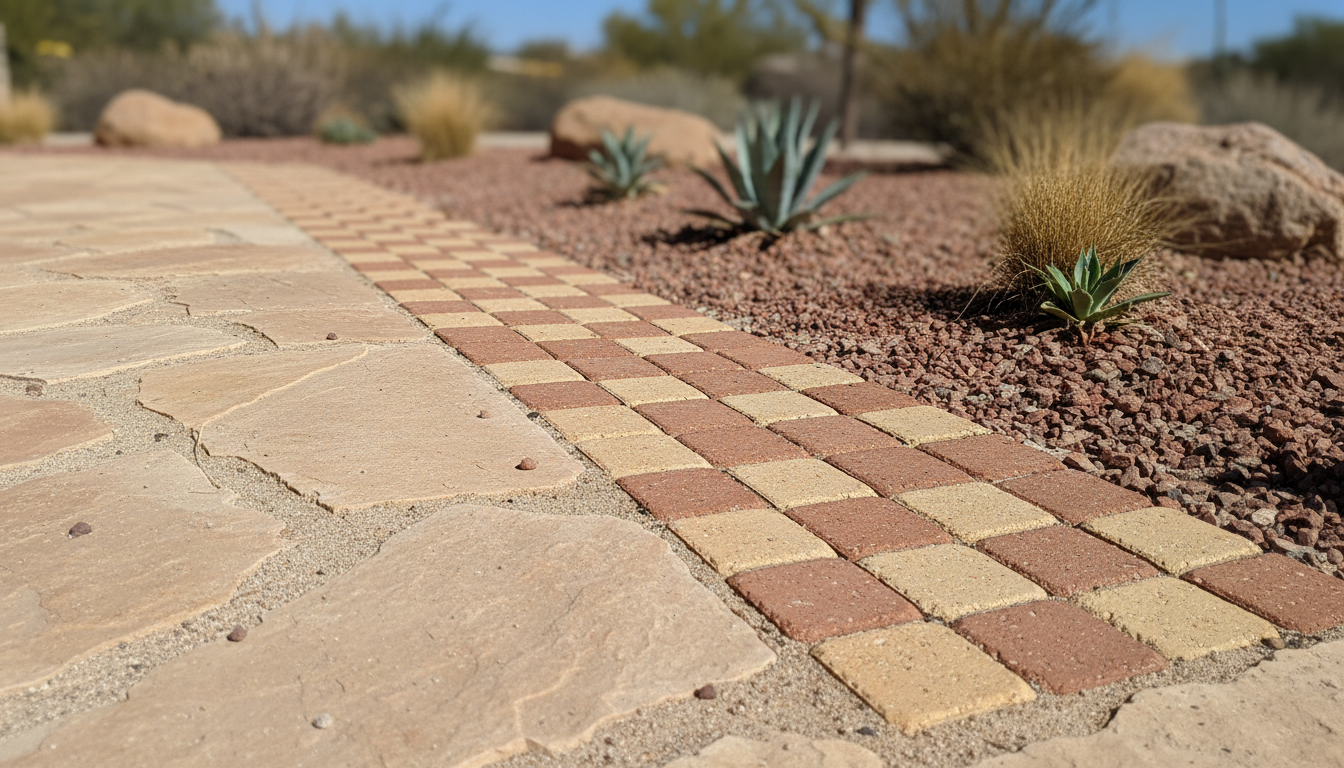
The specific composition of your hardscape determines the chemistry of the sealant required and how it will age. Concrete pavers, frequently used for custom driveways, possess a highly porous structure. While this allows them to absorb protective sealants deeply, it also means they are prone to rapid staining from motor oil or tire marks if the barrier is compromised. For these surfaces, a high solids sealer is often preferred to fill those pores and lock in the manufactured pigments.
Travertine requires a specialized strategy. Because it is highly valued for its heat-resistant properties on natural stone patios, the choice of sealer is critical. We recommend specific penetrating sealers rather than film-forming products. Film-forming sealers can create a plastic-like layer that traps moisture and renders the stone dangerously slippery when wet. A breathable, penetrating sealer protects the stone at a molecular level without sacrificing its natural slip resistance or cooling benefits.
Other natural stones, such as flagstone or slate, have requirements based on their density. More porous flagstones may need more frequent applications to prevent the stone from flaking or spalling under the desert sun. When considering how often to seal pavers palm desert, the material density is just as important as the climate, ensuring the stone remains protected without losing its essential physical characteristics.
3 Signs Your Palm Desert Driveway or Patio Needs Re-Sealing
Identifying when your hardscape requires professional attention involves looking for specific physical indicators that the previous protective layer has degraded. In the Coachella Valley, the first sign is usually a noticeable loss of vibrancy. High intensity UV rays act as a bleaching agent on the iron oxide pigments used in concrete pavers. If your custom driveways look significantly lighter or more chalky than the day they were installed, the protective layer has likely oxidized, leaving the raw material exposed to the elements.
Next, examine the joints between the stones. A professional grade sealer contains binding agents designed to harden the joint sand into a semi-rigid state. When this binder fails, you will notice sand migrating onto the surface of the pavers after a windstorm or during routine cleaning. This sand loss is a critical warning sign because it leaves the edges of your pavers unsupported, increasing the risk of shifting and structural instability.
The most definitive way to determine how often to seal pavers palm desert is by conducting a simple Water Test. Pour a small amount of water onto a high traffic area of your natural stone patios and observe the reaction. If the water beads on the surface, the sealant is still active. However, if the water creates a dark wet spot and disappears into the stone within seconds, the protection is gone. This immediate absorption means that motor oil, food spills, or environmental debris will soak deep into the pores, causing permanent stains that are difficult to remediate.
The Impact of Desert Heat and Sand Abrasion on Sealants
In the Coachella Valley, environmental wear is not just chemical; it is mechanical. The high winds that sweep through the pass carry fine desert sand that acts as a consistent abrasive, literally scouring the protective coating off your custom driveways. Over months of exposure, this sandpaper effect thins the sealant layer, directly influencing how often to seal pavers palm desert to maintain a functional barrier. Without a robust coating, the raw surface of the paver becomes exposed to the elements much sooner than it would in a less wind prone environment.
Beyond abrasion, the intense thermal cycles of a Palm Desert summer pose a structural challenge for sealants. Surface temperatures on natural stone patios can exceed 150 degrees in July. This extreme heat causes the pavers to expand and then contract as they cool overnight. If a rigid, low quality sealant is used, it cannot flex with the stone. This lack of elasticity leads to micro cracking, which allows moisture and UV rays to bypass the protection entirely.
We prioritize high quality, breathable sealants for this reason. Inexpensive, non breathable products often trap moisture vapor beneath the surface as the ground heats up. This leads to blushing, a phenomenon where the sealer turns a milky, opaque white, obscuring the natural beauty of the stone. A breathable formula allows for natural vapor transmission while maintaining the flexibility needed to withstand the Coachella Valley's harsh thermal demands.
The Best Time of Year for Paver Maintenance in Palm Desert
Timing is everything when managing high-end hardscapes in the Coachella Valley. While determining how often to seal pavers palm desert is the first step, knowing exactly when to schedule the application is equally critical for a lasting result. You should never apply sealant during the peak of summer when air temperatures routinely exceed 110 degrees. In these conditions, the product will flash-dry, causing the solvents to evaporate before the protective solids can actually penetrate the surface of your custom driveways. This creates a brittle, surface-level film that fails to bond and typically flakes off within months.
The ideal windows for professional maintenance are the shoulder seasons of late autumn, specifically October and November, and early spring, encompassing March and April. During these months, ambient temperatures generally stabilize between 60 and 90 degrees. This temperate range allows the chemical components to cure slowly and evenly, ensuring a deep, resilient bond on natural stone patios. Always verify a multi-day dry forecast before beginning; even the slight humidity of a summer monsoon or a rare winter rainstorm can trap moisture under the sealer, leading to an opaque, white finish known as blushing.
Professional vs DIY Sealing: What Homeowners Should Know
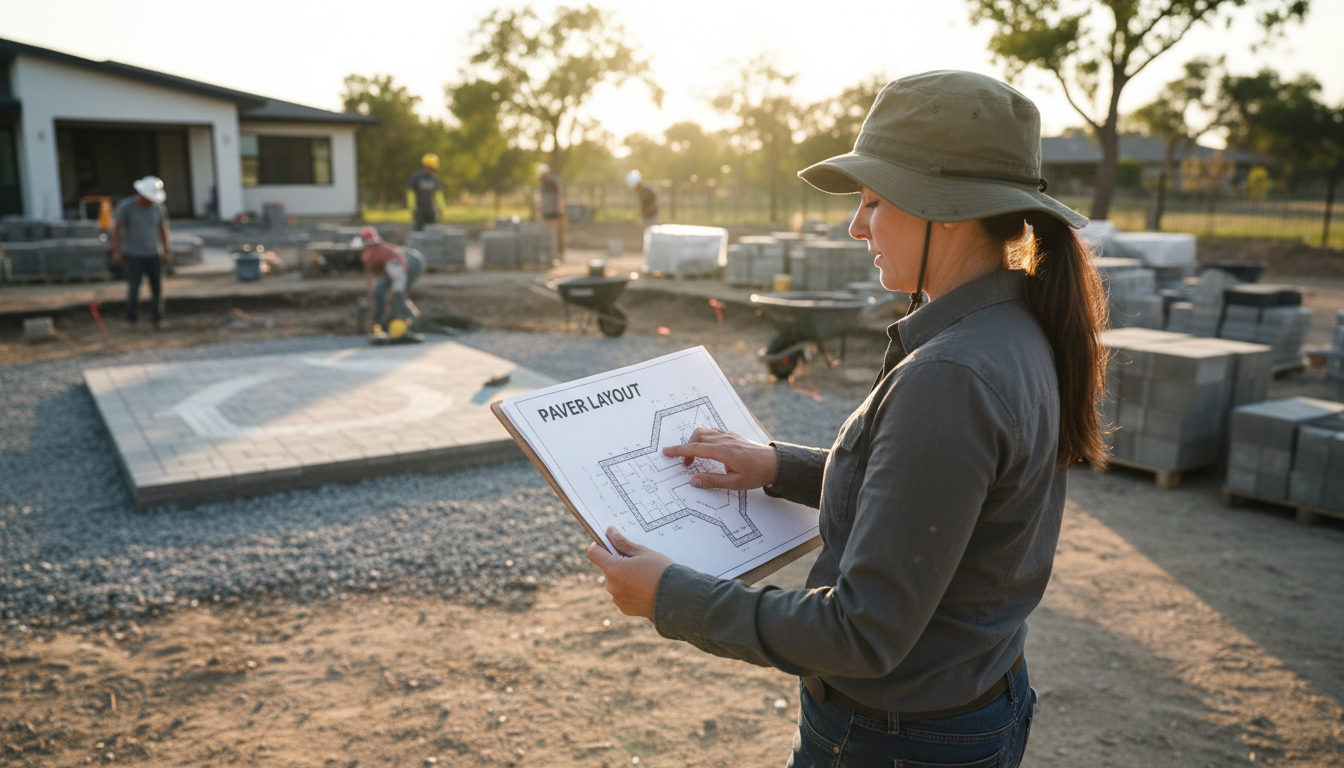
Applying a sealer correctly requires more than a hardware store sprayer and a weekend of free time. A professional application involves industrial-grade cleaning and specialized pressure washing to strip away old, failed coatings before a new layer is applied. This preparation is critical because applying new product over degraded material creates a patchy, peeling surface that fails to bond. Professionals also integrate proper re-sanding of the joints, a step often overlooked in DIY projects but essential for the structural stability of custom driveways.
Homeowners often struggle with how often to seal pavers palm desert because DIY attempts frequently fail prematurely due to application errors. Common mistakes in our climate include over-application, which creates a dangerously slippery film, or failing to allow the stone to dry completely, which traps moisture and leads to unsightly whitening. For expansive natural stone patios, using professional-grade equipment ensures an even, streak-free finish. Without industrial sprayers and calibrated rollers, sealer can pool in low spots or leave visible lap marks that the harsh Coachella Valley sun will only amplify.
Keeping your outdoor surfaces protected from the intense Palm Desert sun is the best way to preserve their beauty. Regular sealing every two to three years prevents fading and structural wear; it ensures your investment remains a highlight of your home. If you want expert help managing these maintenance tasks, our team is here to provide professional support. We can help you care for your Stone Patios and ensure they look their best for years to come without the stress of doing it yourself.