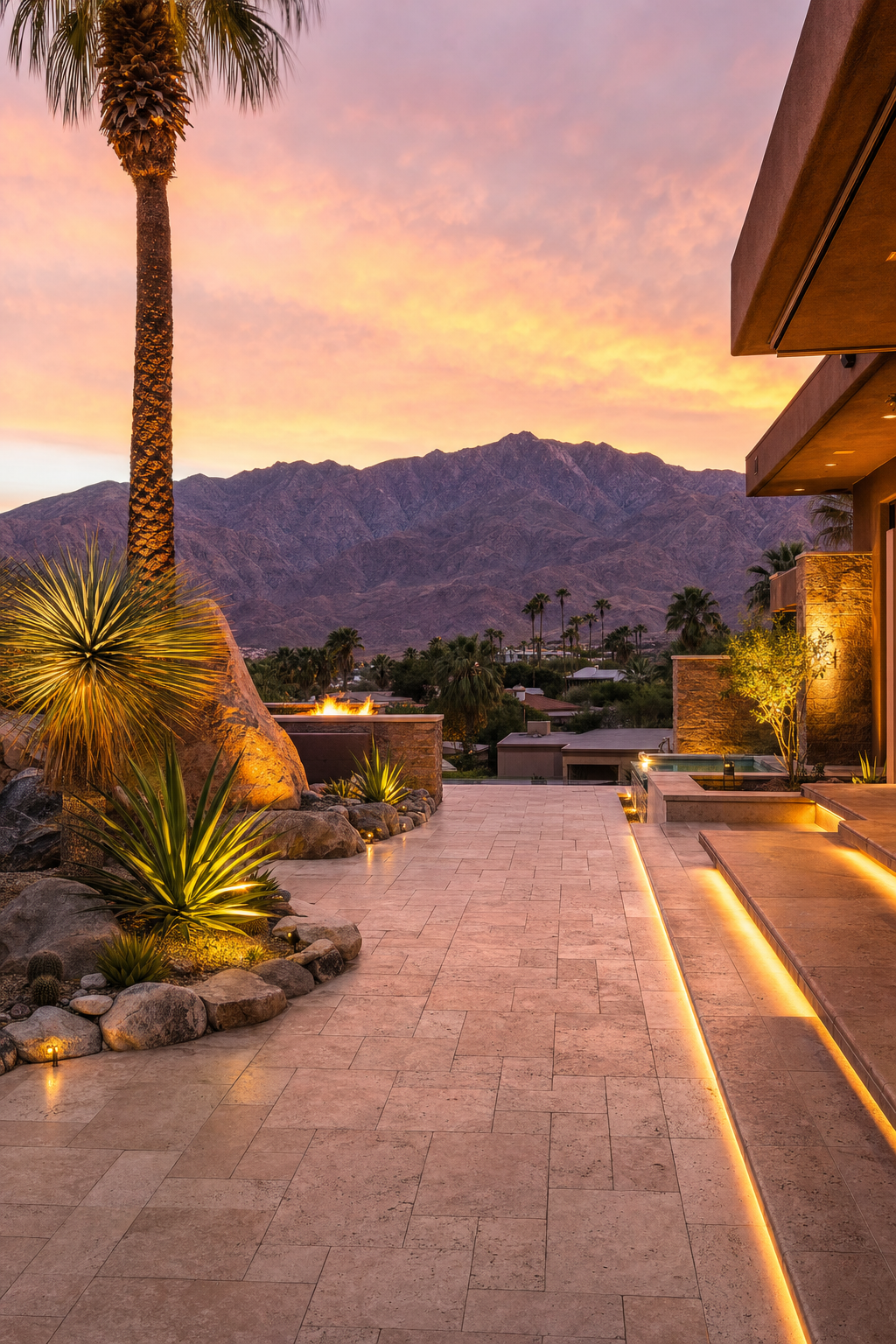
Installing a professional retaining wall Palm Desert can increase a home's value by up to 15 percent while providing critical protection against soil erosion and foundation damage. These structures create additional usable space and enhance curb appeal; consequently, they offer a significant return on investment by making properties more functional and attractive to potential buyers.
In the rugged landscape of Palm Desert, property owners often find themselves losing valuable square footage to steep slopes and unstable terrain. A backyard that should be a sanctuary can quickly become a liability when shifting sands and sudden monsoon rains threaten your foundation. Investing in a high quality retaining wall is not merely a cosmetic choice; it is a strategic structural upgrade that maximizes your usable land while fortifying your home against erosion. This guide explores how a well engineered wall increases your property value by creating flat, functional areas out of previously wasted space. We will examine the most durable materials for the Coachella Valley climate, navigate the local permitting process, and provide current 2026 pricing insights to ensure your next hardscaping project is both beautiful and built to last.
Why Retaining Walls are a High ROI Investment for Palm Desert Properties
When considering a retaining wall Palm Desert homeowners often focus on aesthetics, but the financial impact is equally compelling. Investing in a professional retaining wall is one of the few exterior improvements that offers a dual return; it provides immediate structural protection while significantly increasing market value. Industry data suggests that high-quality hardscape improvements can boost a property’s overall value by as much as 15 percent. Unlike interior renovations that may quickly fall out of style, a well-engineered wall is a permanent asset that enhances the architectural profile of the home.
In the Coachella Valley, where many premium lots are carved into hillsides or sit on uneven alluvial fans, usable flat land is at a premium. A retaining wall literally creates real estate by reclaiming sloped areas and transforming them into level, functional zones. This expansion of usable square footage is a major selling point for discerning buyers in Indian Wells and Rancho Mirage, where structured, professional landscaping is the expected standard. While a generic kitchen refresh might offer a moderate return, it does not solve the fundamental land-use issues that a retaining wall addresses. By leveling the grade, you open the door for custom travertine stone patios or outdoor kitchens that further drive up equity. Understanding the hardscape project timeline is the first step toward this strategic property transformation.
Creating Usable Square Footage from Wasted Slope Space
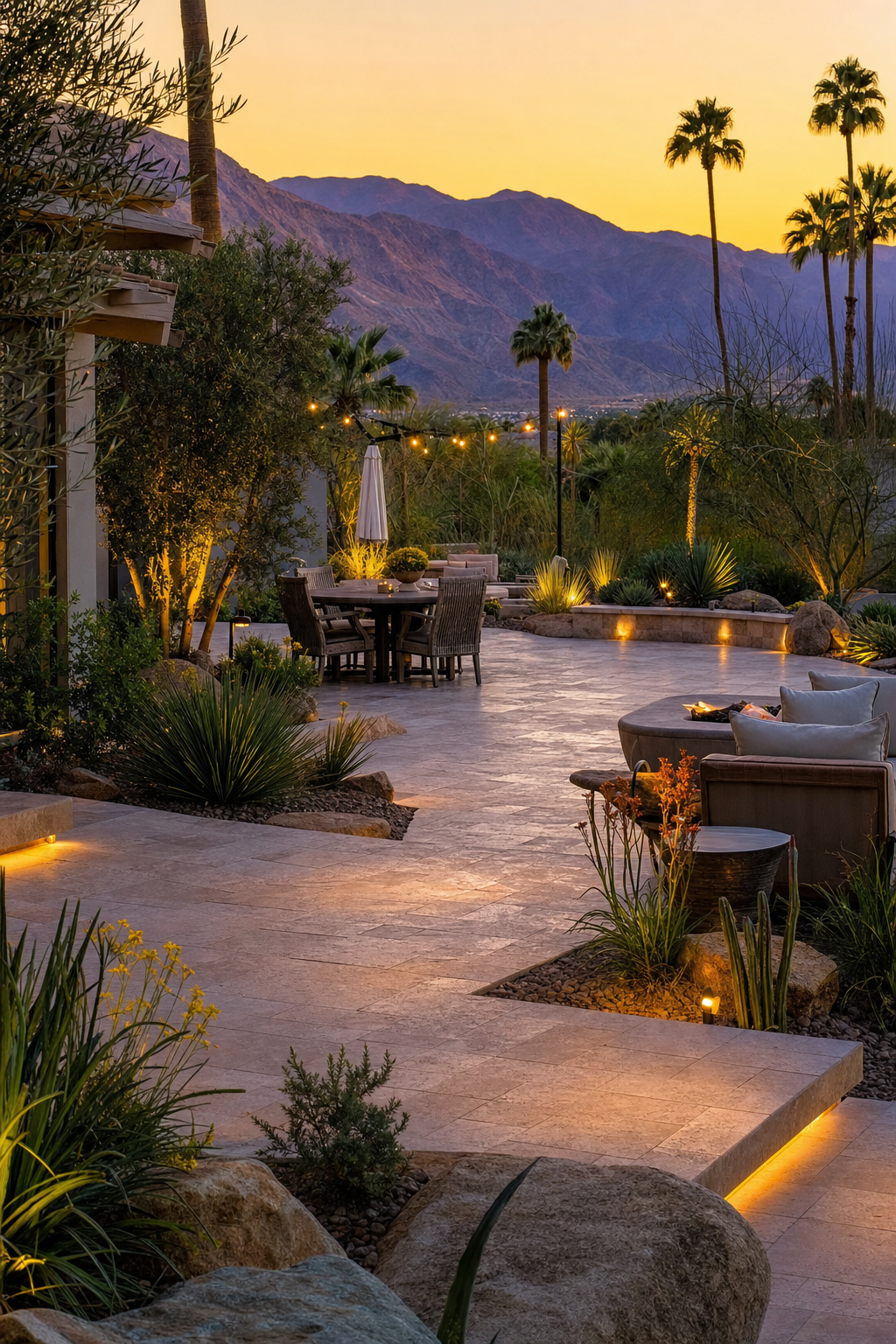
When a property backs up against a steep desert incline, that sloped earth represents lost opportunity. Terracing solves this problem by breaking an unmanageable hillside into a series of flat, structured steps. This architectural approach creates distinct functional zones out of vertical space that was previously impossible to navigate, let alone enjoy.
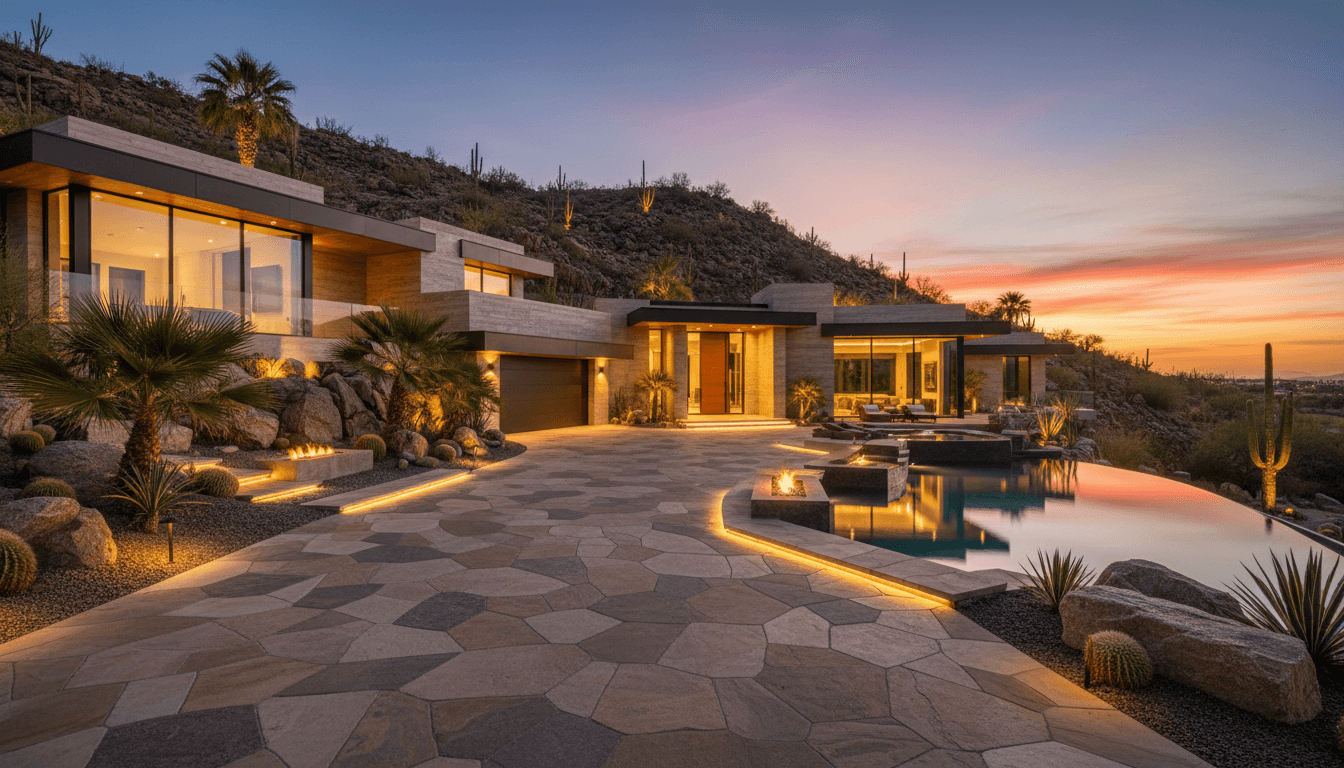
When installing the type of structural retaining wall Palm Desert properties require for slope stabilization, the primary design goal shifts toward maximizing usable ground. This process enables true lifestyle expansion, turning an unstable, weed-prone slope into a sophisticated, multi-level entertainment hub. A lower tier can host a smooth travertine stone deck directly off the main house, while a second, elevated level accommodates a fully equipped outdoor kitchen. Higher up the slope, a third tier can be carved out for an intimate fire pit lounge, offering panoramic views of the valley that were previously blocked by the incline.
To maximize the utility of these new levels after the desert sun sets, these masonry structures integrate seamlessly with custom landscape lighting and irrigation systems. Low-voltage LED fixtures embedded directly into the wall capstones illuminate the pathways and stone textures, creating a resort-style evening atmosphere. Concurrently, integrated drip lines supply localized moisture to accent plantings, ensuring that micro-gardens thrive within the tiers without causing water runoff issues on the newly leveled terrain.
Protecting Your Investment: Erosion Control and Monsoon Management
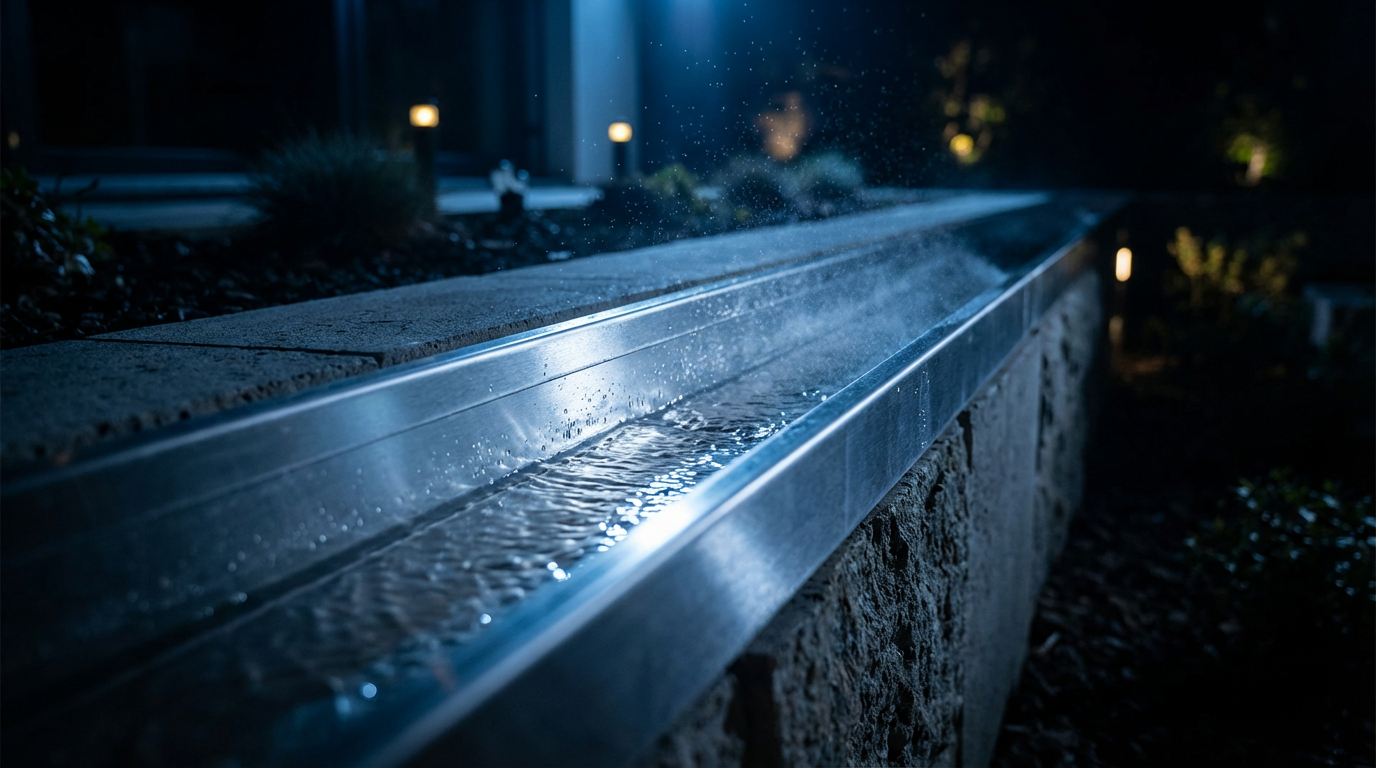
The Coachella Valley landscape is deceptively fragile. While the region is known for its arid climate, the arrival of monsoon season brings intense, localized downpours that can quickly overwhelm unprotected properties. Palm Desert is largely situated on sandy alluvial soils that lack the natural cohesive properties of clay or loam found in other regions. When high volumes of water hit this dry, compacted ground, the soil liquifies and moves rapidly. Without a professionally engineered retaining wall Palm Desert homes face significant risks; shifting earth can undermine the structural foundations of the residence or bury expensive custom travertine stone patios under feet of sediment.
Preventing this failure requires more than just stacking blocks. At Pavers Pavers Pavers, every installation adheres to the 1/3 buried base rule, ensuring that a significant portion of the wall’s height is anchored below grade to resist the lateral pressure of saturated soil. We prioritize subterranean water management, which is the most common corner cut by budget contractors. Our builds utilize a multi-layer drainage system featuring clean gravel backfill and a dedicated perforated pipe. This setup creates a path of least resistance, allowing water to filter through the soil and exit through designated outlets rather than building up hydrostatic pressure behind the wall. By managing the hydraulics of a desert storm, we protect the structural integrity of your entire landscape and ensure your landscape lighting and irrigation systems remain undisturbed by soil migration.
Choosing the Right Materials for Coachella Valley Aesthetics
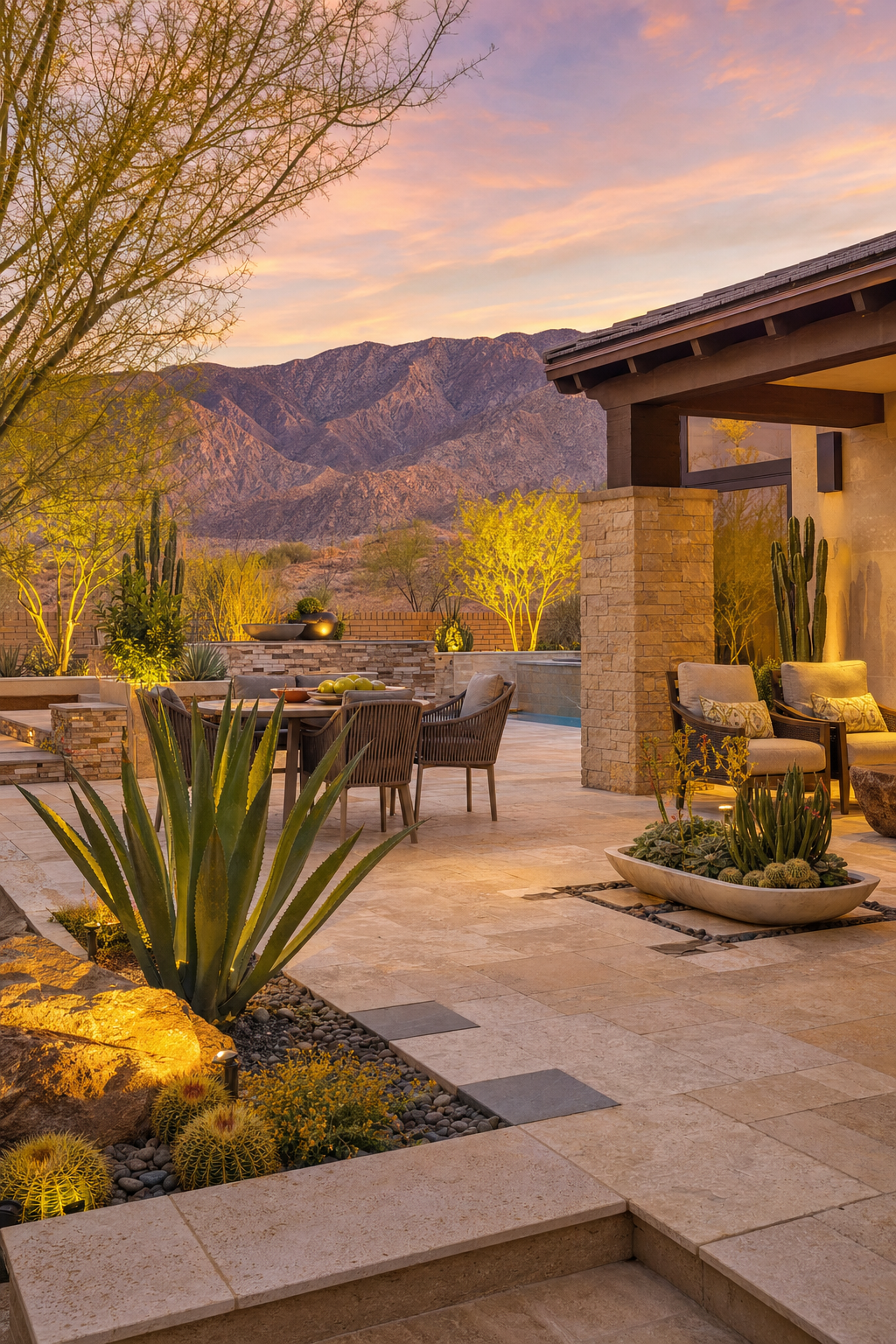
Selecting the finish for a retaining wall Palm Desert properties require is an architectural decision as much as a structural one. The intense Coachella Valley sun, where temperatures frequently surpass 110 degrees, demands materials that resist thermal expansion and UV degradation without fading or cracking. By choosing materials that harmonize with the desert palette, the wall becomes an intentional design feature rather than a mere utility structure.
Modern homes often benefit from segmental block walls, which offer clean, geometric lines and excellent structural versatility. For properties seeking a more organic feel, natural stone provides a rugged aesthetic that blends seamlessly with the surrounding arid terrain. When the goal is resort-level sophistication, travertine is the gold standard. It provides a luminous, high-end finish that stays cooler to the touch than darker alternatives, making it an ideal match for custom travertine stone patios.
Material | Aesthetic Style | Best For |
|---|---|---|
Segmental Block | Modern and Contemporary | Complex curves and tiered elevations |
Natural Stone | Rugged and Southwestern | Natural slope integration |
Travertine Veneer | Luxury and Mediterranean | High-visibility entertainment zones |
The material choice dictates how the structure interacts with light and shadow throughout the day. A thoughtfully selected veneer ensures the wall complements the existing home while standing up to the harsh thermal cycling characteristic of the region. This aesthetic continuity is vital for maintaining property value, as a mismatched or low-quality wall can detract from the home's overall curb appeal.
Navigating Palm Desert Permits and Engineering Requirements
Maintaining the sophisticated look of high-end materials requires adhering to strict local building codes. In Palm Desert, the three foot rule is a fundamental regulation for any retaining wall Palm Desert homeowners choose to install. Generally, any wall structure exceeding three feet in total height requires professional structural engineering and city permits. This requirement addresses the valley's unique geological risks, specifically its proximity to active fault systems. Engineering ensures the structure accounts for seismic forces and the lateral pressure of shifting sandy soils common throughout the Coachella Valley.
We handle the complex permitting process, including mandatory HOA design reviews and city inspections, as part of the professional hardscape project timeline. Budget-focused contractors often skip these critical steps, leaving homeowners with unpermitted structures that can complicate future property sales or insurance claims. A properly engineered wall uses specific calculations for footing depth and steel reinforcement to prevent leaning or collapse during a seismic event. By managing these technical requirements, we ensure your investment is both legally compliant and structurally sound for decades.
Cost vs Value: 2026 Pricing for Palm Desert Retaining Walls
Securing the necessary permits and professional engineering for a retaining wall Palm Desert homeowners require involves a clear understanding of the financial commitment. The 2026 market rates in the Coachella Valley reflect the specialized labor needed to work in extreme desert heat and the technical requirements for stabilizing sandy alluvial soils. Investing in a professional installation ensures the structure adds permanent equity rather than becoming a future liability.
Wall Category | Estimated Price (per Linear Foot) | Primary Application |
|---|---|---|
Decorative / Planter | $35 – $50 | Low-height garden borders and accents |
Functional Segmental | $60 – $120 | Structural grade changes and slope management |
Engineered Solutions | $150+ | Walls over 3 feet requiring seismic design |
These figures represent a holistic investment in property preservation. A well-placed functional wall prevents soil migration that could otherwise compromise the integrity of custom travertine stone patios or the main residence foundation during a monsoon. While the hardscape project timeline for engineered solutions is longer due to municipal oversight, the resulting expansion of usable land typically allows the wall to pay for itself through increased property valuation. Furthermore, incorporating landscape lighting and irrigation into these structures during the initial build phase maximizes the aesthetic return, transforming a structural necessity into a luxury architectural feature.
Common Reasons for Wall Failure and How to Avoid Them
A retaining wall Palm Desert homeowners invest in must withstand extreme lateral pressure, yet many local failures stem from fundamental installation errors. The most prevalent mistake is neglecting hydrostatic pressure. Even in an arid climate, a single monsoon can saturate sandy alluvial soil, causing it to exert thousands of pounds of force against the structure. Without a dedicated layer of gravel backfill and a perforated pipe system to channel water away, the wall will inevitably bow or crack.
Another common pitfall is insufficient footing. Budget contractors often minimize excavation to save time, ignoring the structural necessity of anchoring the wall deep within the grade to resist soil migration. Professional construction also requires "weeping holes" strategically placed to allow trapped moisture to escape, preventing the buildup of weight behind the blocks. Skipping these technical details to lower initial costs compromises the entire hardscape project timeline. Protecting your investment in custom travertine stone patios or landscape lighting and irrigation starts with a wall engineered for desert physics, not just aesthetics.