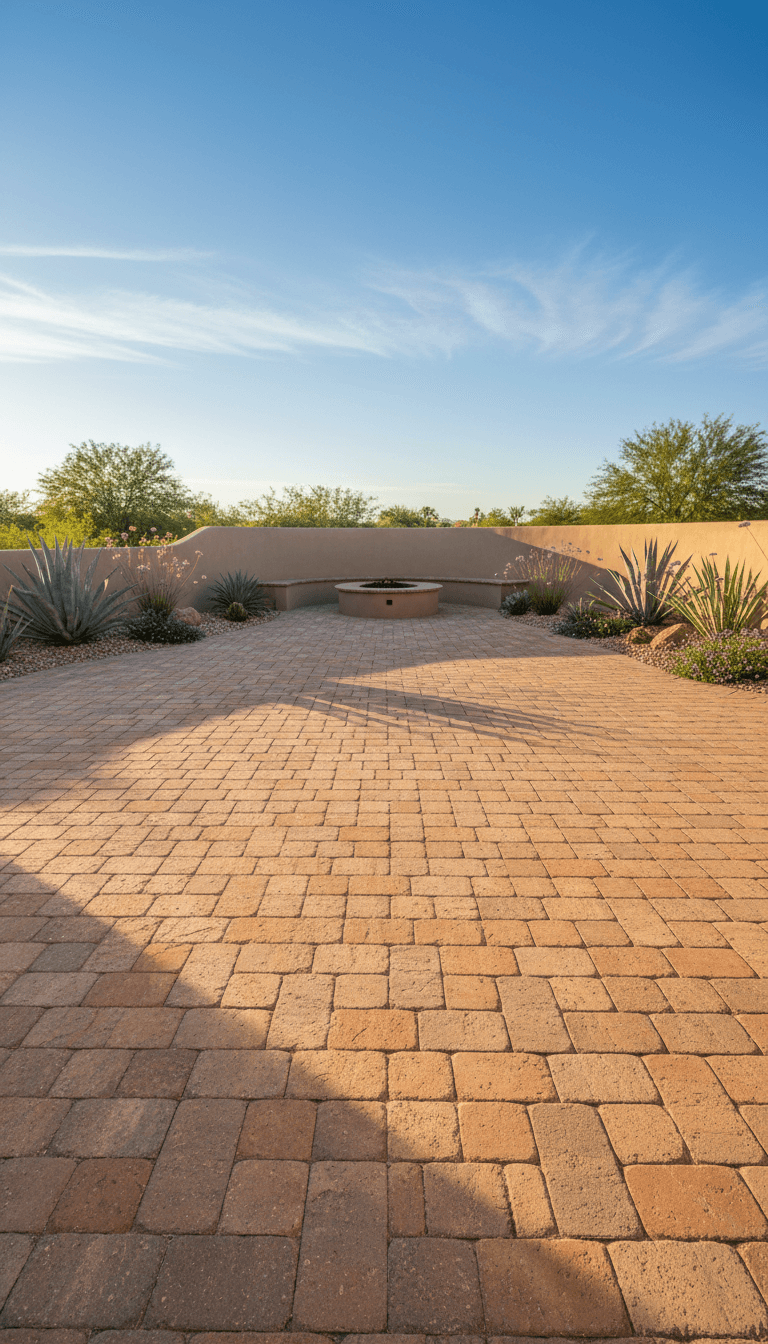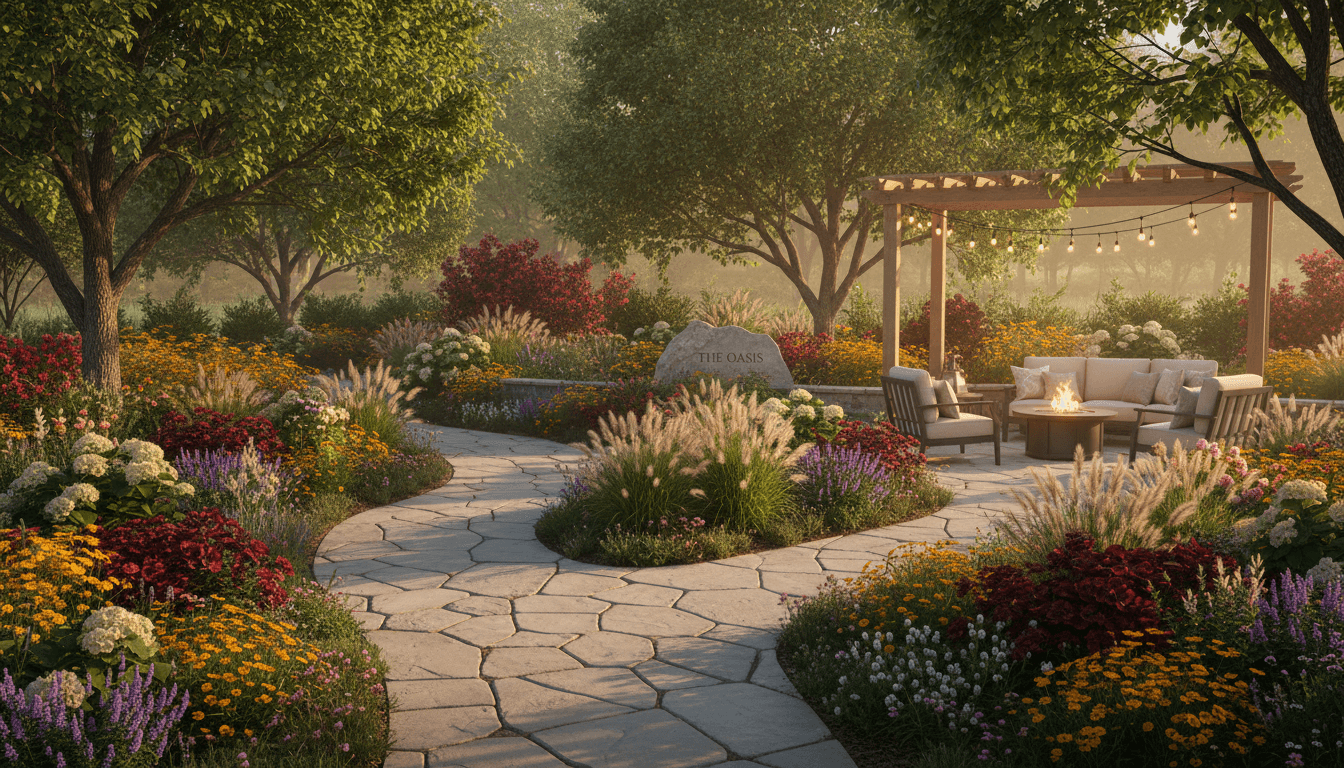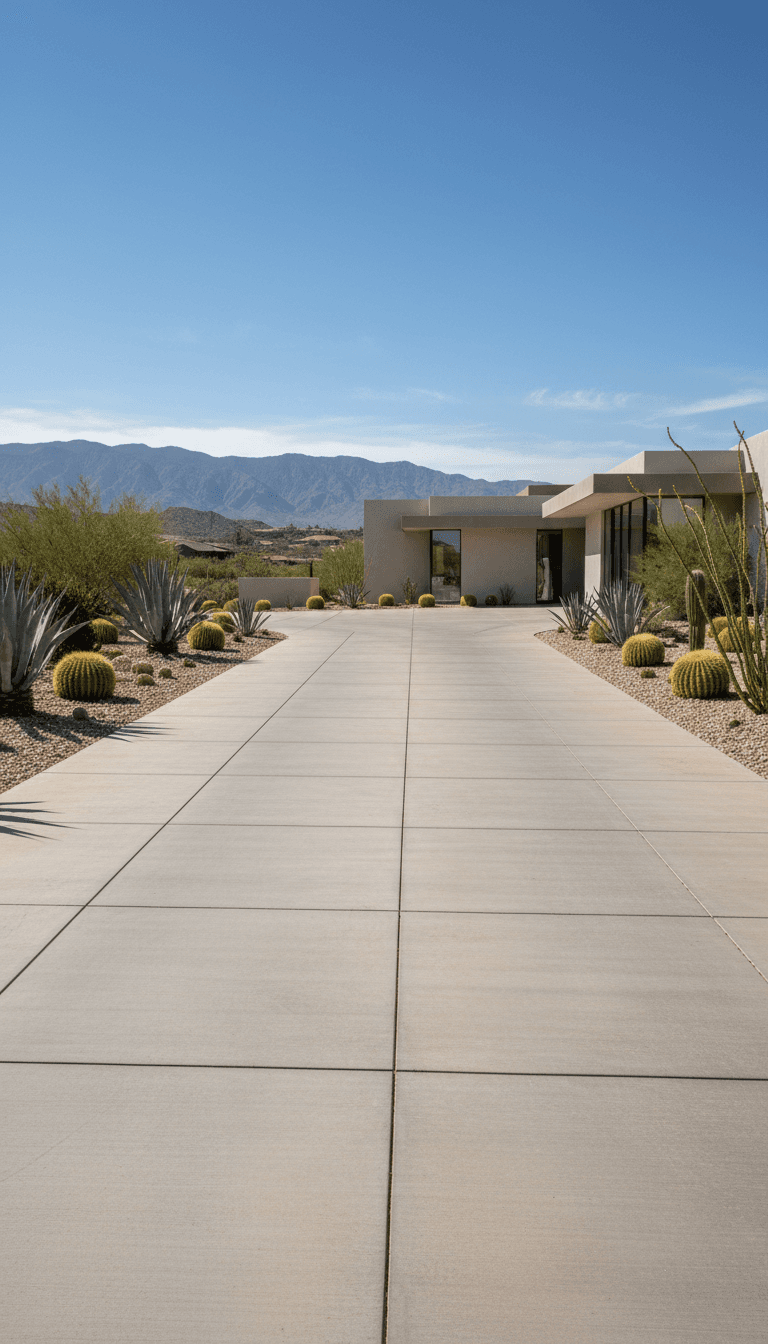
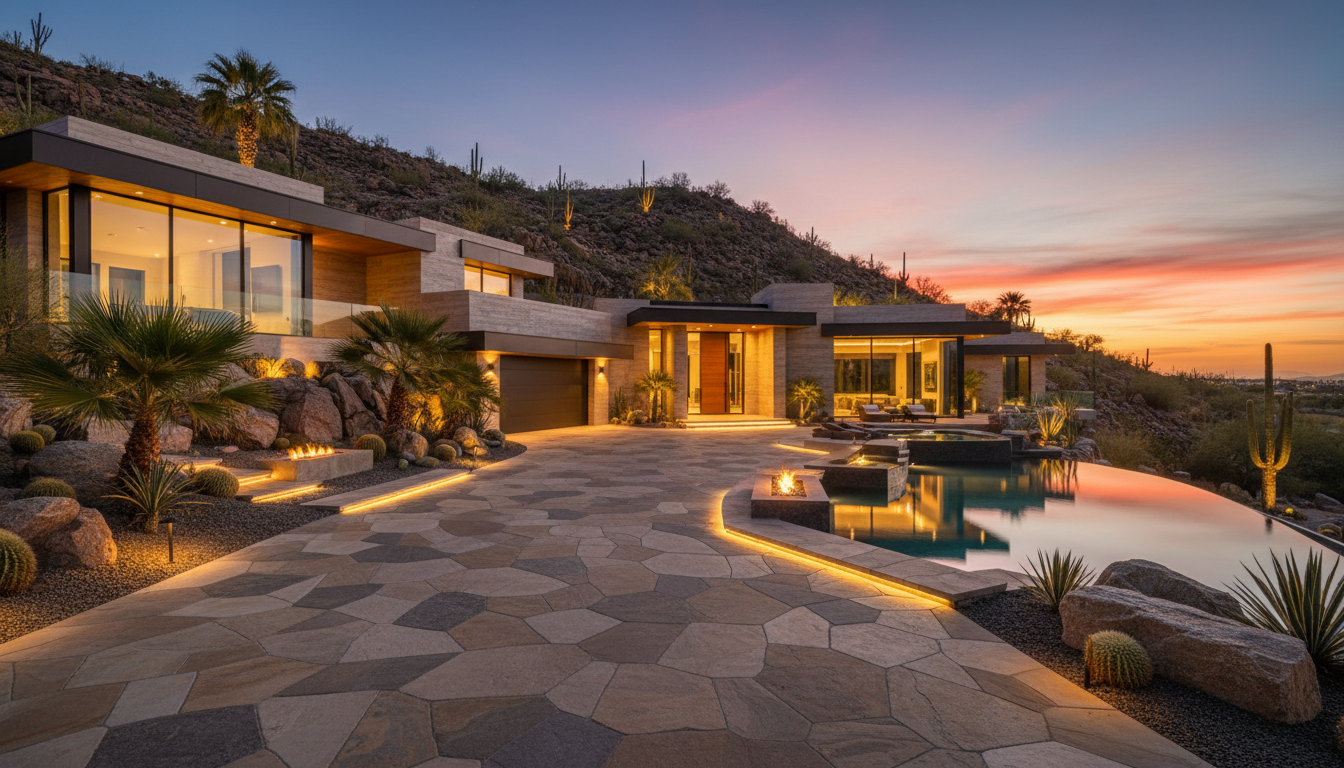
Professional resanding and sealing pavers Palm Desert requires deep cleaning the surface, replenishing joint sand, and applying a protective sealant to prevent weed growth and erosion. This routine maintenance protects the hardscape from intense sun exposure while restoring the structural integrity and aesthetic appeal of your driveway or patio. Regular sealing prevents common issues like sand haze, peeling, and surface staining over time.
The relentless Coachella Valley sun and fine desert grit can quickly turn a premium stone installation into a faded, shifting mess. When joint sand erodes and the protective finish wears thin, your outdoor living space loses its structural stability and its visual appeal. Maintaining a high end hardscape in Palm Desert requires more than a simple rinse with a garden hose; it demands a precise cycle of resanding and sealing to lock in durability. In this guide, we will examine the technical reasons why these processes are essential for local properties. You will learn the exact steps for a professional grade restoration, discover how to navigate the challenges of extreme heat, and understand how a proactive maintenance routine preserves your investment for years to come.
Why Palm Desert Hardscapes Require a Specialized Maintenance Routine
Living in the Coachella Valley presents a unique set of challenges for outdoor surfaces. The intense UV radiation and consistent triple digit heat are not just uncomfortable for residents; they are physically taxing on concrete and stone. While other regions deal with freeze-thaw cycles, Palm Desert properties face extreme thermal expansion and seasonal monsoons that can quickly erode the stability of even the finest custom stone patios.
A specialized maintenance routine involving resanding and sealing acts as a necessary protective shield against these elements. In our environment, fine desert dust and wind-blown silt act as a catalyst for trouble. When these particles settle into unsealed joints, they provide a germination bed for resilient desert weeds and eventually lead to structural shifting as the original joint sand washes away.
Maintaining high-end driveway installation and maintenance standards requires understanding the difference between a simple cleaning and a full restoration. A surface wash might remove visible dirt, but it does nothing to reinforce the structural integrity of the installation. Resanding and sealing pavers Palm Desert properties rely on ensures that the joints are packed and protected, preventing the "shifting" effect common in neglected hardscapes. This dual process is the only way to safeguard your investment against the relentless desert sun and localized flash flooding.
What is Paver Resanding and Why is it Essential
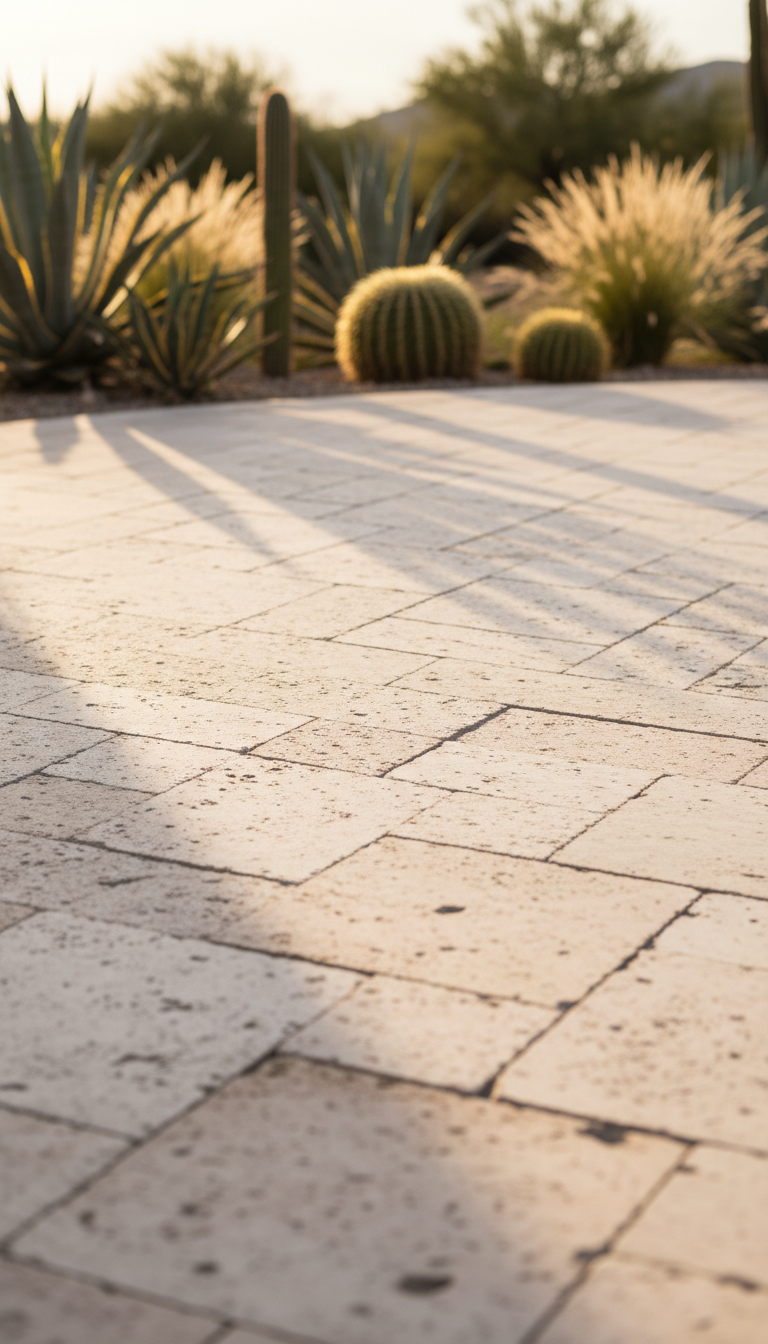
Joint sand serves as the invisible glue that holds a paver system together through interlock. Without it, individual stones would shift, rotate, and eventually lose their structural integrity. Homeowners often ask, "How do I resand my pavers?" thinking it involves a simple bag of play sand from a local hardware store. However, professional hardscaping and design services have shifted away from traditional kiln-dried sand toward high-performance polymeric sand, which is far better suited for the Coachella Valley.
Polymeric sand contains specialized chemical additives that activate and harden when misted with water. Once cured, it creates a flexible but firm bond within the joints. This barrier is essential in Palm Desert for several reasons. It prevents the localized ant colonies and weed growth that thrive in open gaps, and more importantly, it resists being washed out during the intense flash floods that characterize our monsoon season. Unlike loose, traditional sand, polymeric joints remain stable even when subjected to heavy runoff.
Proper installation requires precise leveling. The sand must be swept and compacted until it sits approximately 1/8 inch below the chamfer, which is the beveled edge of the paver. Leaving sand higher than this edge leads to unsightly surface debris and premature erosion, while leaving it too low reduces the mechanical interlock between stones. When executed correctly, resanding and sealing pavers Palm Desert properties rely on provides a stabilized surface that can withstand both heavy vehicle traffic and the intense thermal expansion caused by the desert sun.
The Strategic Benefits of Sealing Pavers After Sanding
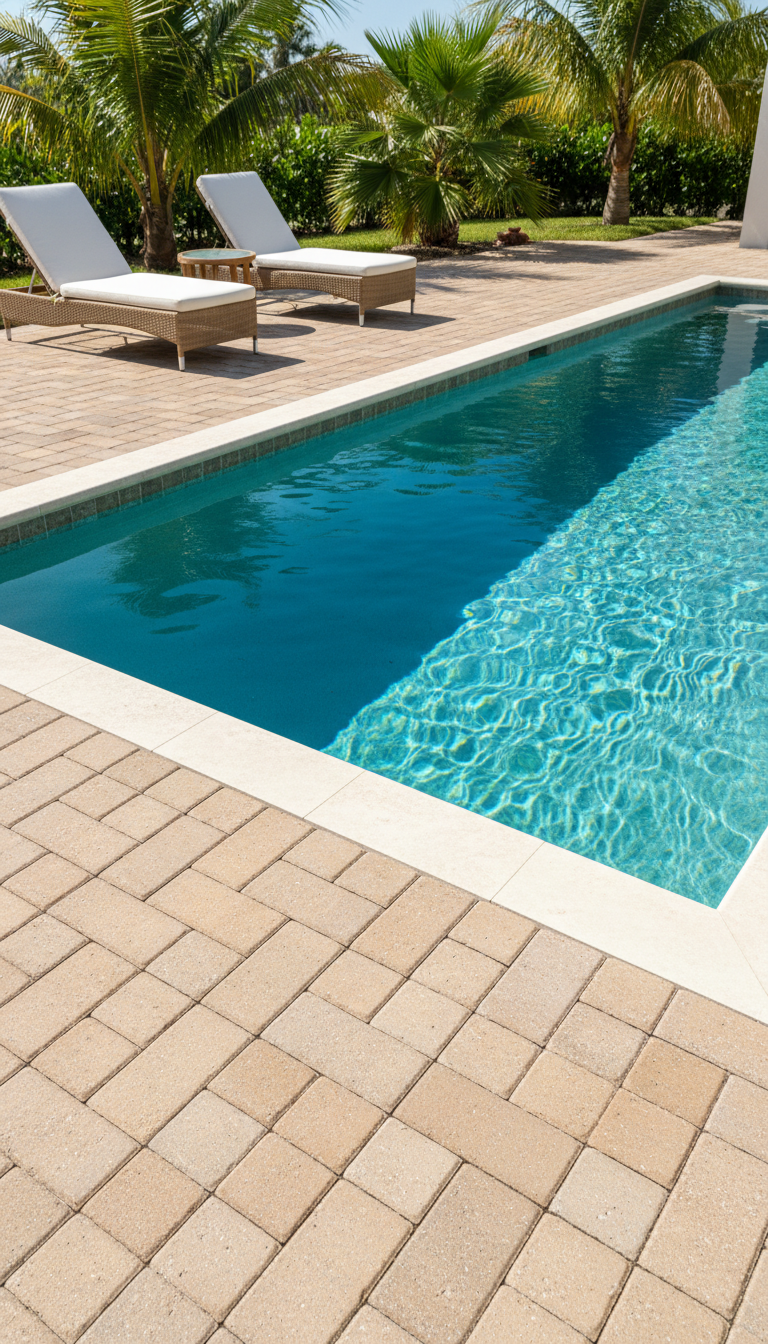
Once the polymeric sand has cured within the joints, the next step is not merely aesthetic; it is a structural necessity. Applying a high-quality sealer acts as a protective topcoat for both the masonry units and the newly installed sand. Evaluating sealing pavers after sanding pros cons reveals that while it requires a professional application, the long-term benefits for Coachella Valley properties far outweigh the maintenance interval. Implementing a regimen of resanding and sealing pavers Palm Desert homeowners trust ensures that the joint material stays exactly where it belongs.
Benefit | Impact on Hardscape |
|---|---|
UV Protection | Prevents color bleaching and surface degradation from 110+ degree sun. |
Joint Stabilization | Locks polymeric sand in place to prevent erosion during heavy monsoons. |
Stain Resistance | Blocks oil, BBQ grease, and organic debris from soaking into porous stone. |
Aesthetic Enhancement | Deepens natural tones of travertine or concrete without creating a slippery surface. |
A primary concern during hardscaping and design services is the development of sand haze. This occurs when residual fine particles from the sanding process remain on the surface. Professional sealing mitigates this by binding those micro-particles into the joint and creating a clear, protective film over the paver. This film is particularly vital for custom stone patios where guests may spill food or drinks; the sealer prevents organic compounds from penetrating the porous surface, allowing for simple spray and wipe cleanup.
For driveway installation and maintenance, the sealer provides a critical barrier against motor oil and tire marks. In the intense heat of the desert, unsealed concrete acts like a sponge, drawing fluids deep into the substrate where they become permanent eyesores. By sealing the surface, you ensure that the vibrant colors chosen for your landscape remain saturated and resistant to the bleaching effects of constant UV exposure. This step effectively transforms a high-maintenance surface into one that is resilient and manageable.
A Step by Step Guide to Resanding and Sealing Pavers in Palm Desert
Executing a restoration requires a technical sequence that accounts for the specific porosity of stone and the volatility of desert temperatures. Our professional protocol for resanding and sealing pavers Palm Desert properties undergo is designed to ensure maximum adhesion and longevity through a rigorous five-step workflow.
Deep Cleaning and Stripping: We begin with controlled pressure washing or hot water extraction. This step is critical to remove ground-in desert silt, oil deposits, and any failing, clouded sealer from previous applications. We aim to clear the joints of old, non-stabilized sand to create a clean channel for the new material.
Total Dehydration: While the Coachella Valley heat aids in evaporation, the surface must be absolutely dry to the touch and within the joints. Any moisture trapped deep between the stones will cause polymeric sand to clump prematurely, preventing it from reaching the bottom of the joint and compromising the structural interlock.
Precision Resanding: We sweep high-grade polymeric sand across the surface. A common error in hardscaping and design services performed by non-specialists is failing to use a plate compactor. We use mechanical vibration to shake the sand into every void, eliminating air pockets that lead to settling and instability later.
Polymer Activation: A fine mist is applied to the joints to trigger the chemical bond in the sand. We use a graduated watering technique to saturate the joint without causing runoff, which would otherwise carry the polymers away and weaken the final bond.
Sealing for Protection: Once the sand is set, we apply a breathable, UV-resistant sealer. Homeowners frequently ask, "Should I sand my pavers before sealing them?" The answer is a definitive yes. Sealing after sanding ensures the stabilized sand is locked in and protected from the elements alongside the pavers themselves.
For custom stone patios, we select sealers that allow moisture vapor to escape, preventing the blistering or whitening effect seen with low-quality topical coatings. On driveway installation and maintenance projects, we prioritize high-solids sealers that provide a robust barrier against heavy vehicle weights and the high-friction environment of Palm Desert driveways.
Common Mistakes to Avoid in the Coachella Valley Heat
The primary error in Palm Desert maintenance is ignoring the surface temperature of the masonry. Applying sealer during the peak heat of a 110 degree afternoon triggers flash drying. This causes the product to evaporate before it can penetrate the pores, resulting in a white, cloudy finish known as blushing. Successful hardscaping and design services always prioritize early morning applications when the substrate is cool and receptive.
Another common failure involves topping. Adding new polymeric sand over old, failing sand prevents a proper bond. The new material simply sits on the surface, eventually washing away or cracking because it cannot reach the full depth of the joint. Furthermore, failing to use a high powered blower to clear every microscopic grain of sand from the surface of custom stone patios before sealing is a permanent mistake. Any leftover grit becomes trapped under the finish, creating a rough, sandpaper texture that is difficult to strip. Precision during the resanding and sealing pavers Palm Desert homeowners expect ensures these technical pitfalls are avoided, preserving the smooth, professional look of the installation.
How Often Should You Resand and Seal Your Palm Desert Property
Determining the ideal schedule for resanding and sealing pavers Palm Desert homeowners should follow depends largely on localized environmental stressors. A professional inspection is recommended every 3 to 5 years; however, certain zones demand a tighter window. Custom stone patios surrounding swimming pools face constant exposure to salt or chlorine splash, which can chemically degrade a sealer faster than UV rays alone. Similarly, high-traffic driveway installation and maintenance projects require frequent monitoring, as the friction of heavy vehicles accelerates surface wear.
Frequent power washing also shortens the lifespan of your hardscape protection by mechanically eroding the joint sand. To determine if your property requires immediate hardscaping and design services, use the following checklist to evaluate the current state of your installation:
Water Test: Pour water on a clean paver; if it soaks in immediately rather than beading on the surface, the sealer has failed.
Joint Level: Check the sand height. If it has eroded significantly below the beveled edge, the structural interlock is at risk.
Stability: Inspect for rocking or shifting pavers, which indicates a loss of joint sand volume.
Bio-Growth: Note any emerging weeds or ant mounds, signaling that the polymeric bond has broken down.
Addressing these signs early prevents the need for costly full-scale lifting and resetting. By maintaining a 3 to 5 year cycle, you ensure the polymeric sand remains intact to block desert debris and the sealer continues to shield the stone from the bleaching Palm Desert sun.
Professional Restoration vs. DIY Hardscape Care
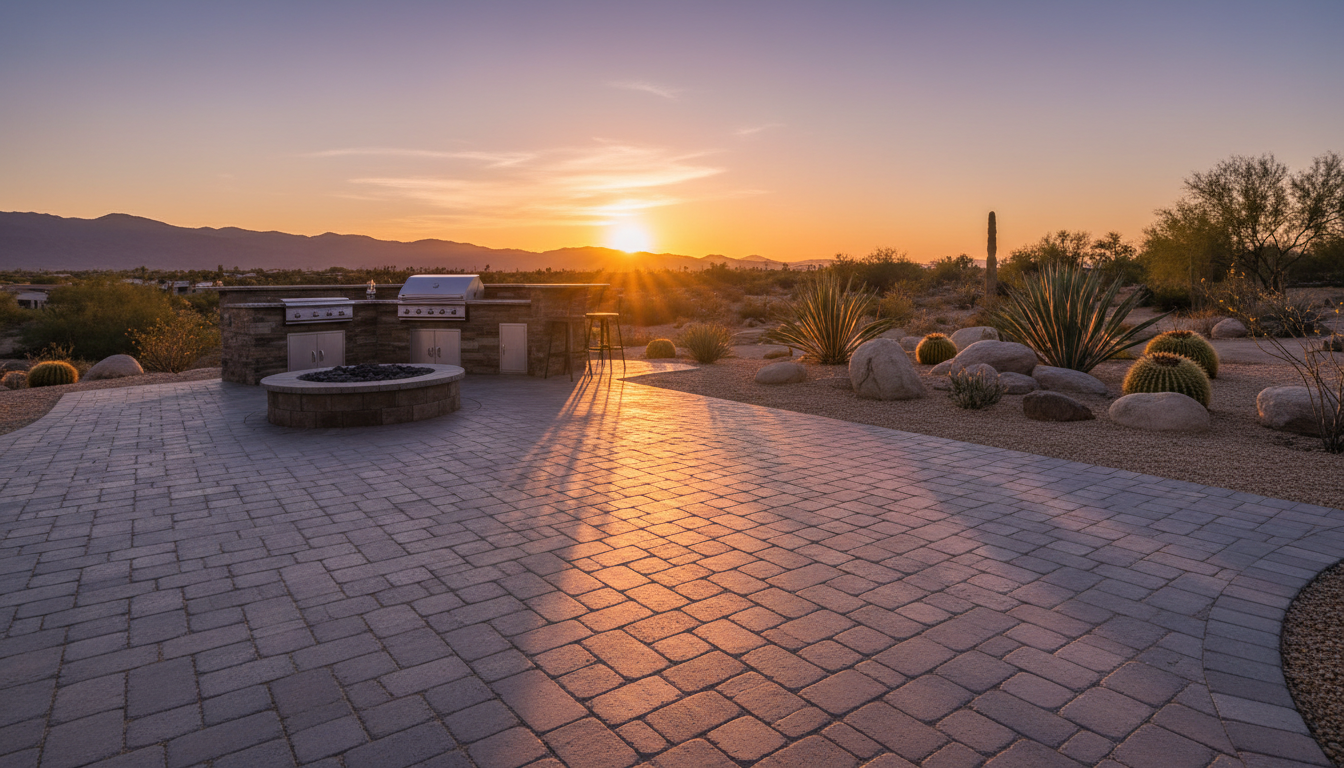
Homeowners often manage routine tasks such as sweeping desert dust or hand-pulling stray weeds. These basic steps are essential for everyday upkeep. However, the technical requirements of resanding and sealing pavers Palm Desert properties require often exceed the capabilities of consumer-grade equipment. Professional hardscaping and design services utilize commercial-grade plate compactors that provide the necessary frequency to settle polymeric sand deep into the joints, a level of compaction impossible to achieve with a manual broom.
Applying sealer also requires precision. While a garden sprayer might seem sufficient, it often leads to pooling or uneven layers that trap moisture. Professionals use high-volume, low-pressure sprayers to ensure a uniform, breathable coating. One of the most difficult challenges for a DIYer is correcting a "blushed" surface, where old, failing sealer has turned white and opaque due to trapped moisture or UV degradation. Stripping these chemical layers requires specialized solvents and extraction methods. For complex custom stone patios or high-load driveway installation and maintenance, professional intervention prevents the costly mistakes, such as using the wrong sand grain or applying sealer too thickly, that can permanently mar the appearance of the stone.
Keeping your Palm Desert pavers in top shape requires regular attention through consistent resanding and sealing. This routine not only enhances the visual appeal of your hardscape but also protects it from the harsh local elements for years to come. While many homeowners enjoy tackling these projects themselves, achieving a professional finish can be a demanding task. If you prefer to have expert help with your maintenance needs, our Services provide the comprehensive care required to keep your outdoor spaces looking their absolute best.