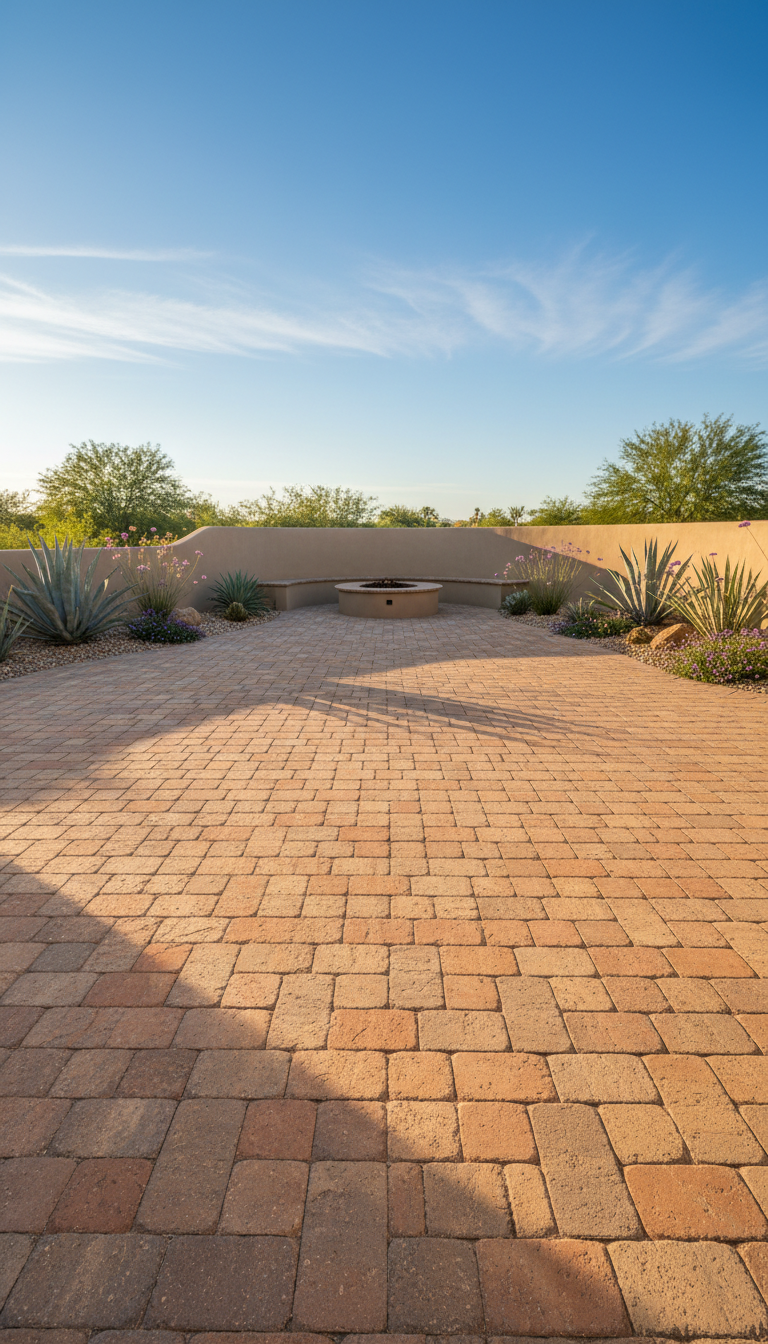
The best time to plant desert plants Palm Desert is during October, as cooling nighttime temperatures and warm soil create the perfect environment for establishing strong root systems before the summer heat. This critical fall window allows container grown plants to build resilience; meanwhile, succulents and cacti can be planted as early as September to take advantage of lingering ground warmth.
Watching a new landscape investment wither under the relentless Palm Desert sun is a frustrating and costly experience for any homeowner. While it is tempting to start your garden projects in the spring, the Coachella Valley operates on a different biological clock that punishes poor timing. Successful desert landscaping requires a strategic approach to the local climate; otherwise, you risk losing both your greenery and your curb appeal. In this guide, we will explore why October serves as the critical window for planting. You will learn how to leverage the six month root advantage to prepare for summer heat, how to protect your investment through the autumnal equinox, and how to select specific desert favorites that beautifully complement your paver installations. We provide the expert foundation you need to ensure your landscape thrives long before the first triple digit temperatures arrive.
The Coachella Valley Planting Calendar: Why October is the Magic Month
In the Coachella Valley, the standard horticultural calendar is effectively reversed. While the majority of the country begins winterizing gardens and bracing for dormancy, Palm Desert enters what local experts call the second spring. This period, beginning in October, represents the most significant planting window for any sophisticated custom landscape design.
The magic of October lies in the relationship between ambient air and soil temperatures. As the autumnal equinox passes, the intense overhead heat subsides, yet the ground retains the thermal energy of the summer months. This creates a specialized environment where plants stop focusing on upward foliage growth and instead prioritize deep root development. Unlike spring planting, where a new specimen is immediately threatened by the looming 110 degree heat of early June, an October installation provides a plant with six full months of mild weather to establish itself.
Identifying the best time to plant desert plants Palm Desert properties require involves understanding this six month runway. A container-grown plant from a nursery is often accustomed to controlled environments; it needs this extended period of moderate temperatures to push roots into the native, often rocky or sandy soil. By the time the first heatwave of the following year arrives, a plant installed in October has developed the structural foundation necessary to survive with minimal stress. This timing is especially critical when coordinating new greenery with high-end features like stone patios or complex landscape lighting and irrigation systems, ensuring the living elements of the project are as durable as the hardscaping.
The 6 Month Root Advantage: Preparing for the Desert Summer
Biology dictates that a plant's root system must mirror its canopy to survive the extreme Coachella Valley climate. When you purchase high-end specimens from a nursery, they arrive in specialized potting soil designed for container drainage, not the mineral-heavy, often alkaline earth found in Palm Desert. An October installation initiates a critical transition phase. Because the soil remains warm while the air cools, the plant shifts its metabolic energy from foliage production to root expansion.
This six month runway, spanning from October through March, allows roots to penetrate deep into the native substrate before the first 100 degree day arrives. Deeply established roots access moisture levels that surface-level nursery roots cannot reach, significantly reducing the plant's long term water dependency. For significant investments like multi-trunk Palo Verdes or specimen-sized Agaves, this lead time is the difference between a thriving feature and a failed installation. It is objectively the best time to plant desert plants Palm Desert properties require for long-term health.
We recommend following the 70/30 rule when planning a custom landscape design. Seventy percent of the plant palette should consist of permanent, structural desert-friendly species that provide the architectural backbone of the property. The remaining thirty percent can be reserved for seasonal accents or smaller succulents. By prioritizing these structural plants during the October window, you ensure the foundational elements of your yard are resilient. This biological head start is particularly vital when integrating greenery around stone patios, where heat radiation can intensify the microclimate. Ensuring your landscape lighting and irrigation is tuned to support this root growth phase will further protect your horticultural investment.
Protecting Your Investment: Sun Sensitivity and the Autumnal Equinox
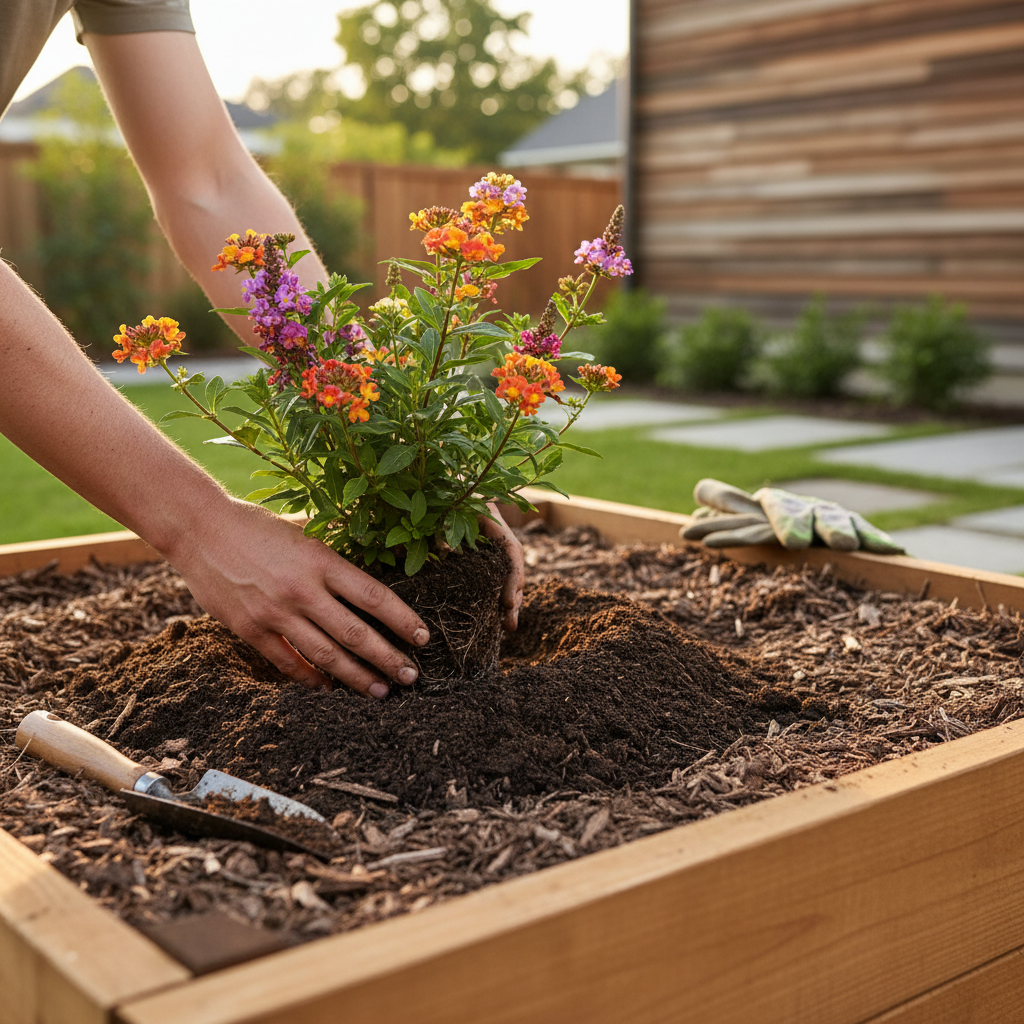
While October offers the ideal window for establishment, the autumnal equinox introduces a specific physiological challenge for succulents and cacti. As the sun shifts further south, its lower angle casts dramatic shadows and exposes previously shaded plant surfaces to direct, intense rays. Because the skin of species like Golden Barrels or Agave Victoriae-reginae is static, it cannot adjust quickly to this new exposure, making recent transplants particularly vulnerable.
Homeowners should monitor new additions for color changes. A sudden yellowing on the south-facing side of a plant usually indicates temporary light stress, which typically resolves as the plant acclimates. However, if the tissue turns deep red, dark brown, or develops a crusty, scarred texture, the specimen has suffered permanent sunburn. To protect the aesthetic integrity of your custom landscape design, we recommend providing temporary shading for at least three weeks post-installation.
Dry palm fronds are a superior, breathable resource for this purpose; simply lean them against the sunward side of the plant to filtered the light. Burlap is a viable alternative if secured loosely to allow for airflow. Taking these precautions ensures that while you utilize the best time to plant desert plants Palm Desert offers, you are not losing your horticultural investment to avoidable solar scarring.
Hardscape Integration: Choosing Plants That Complement Your Pavers
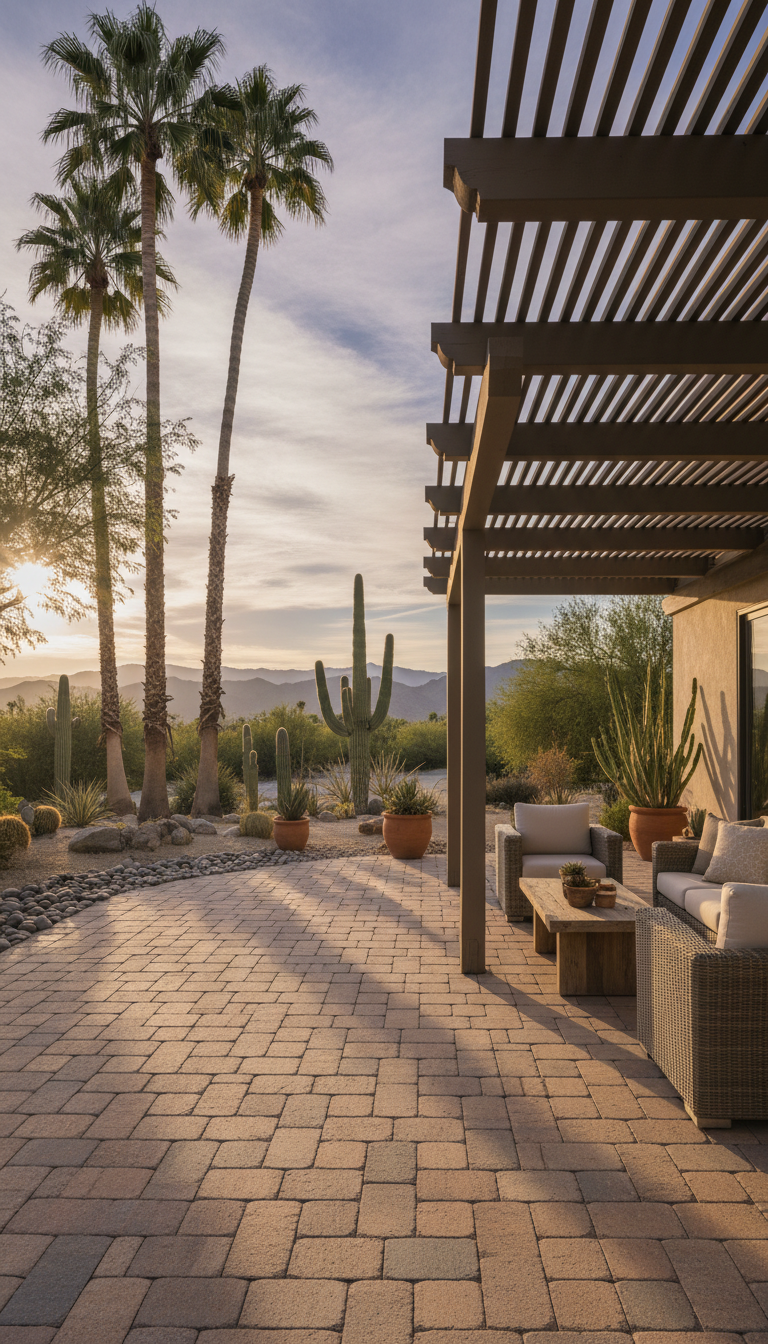
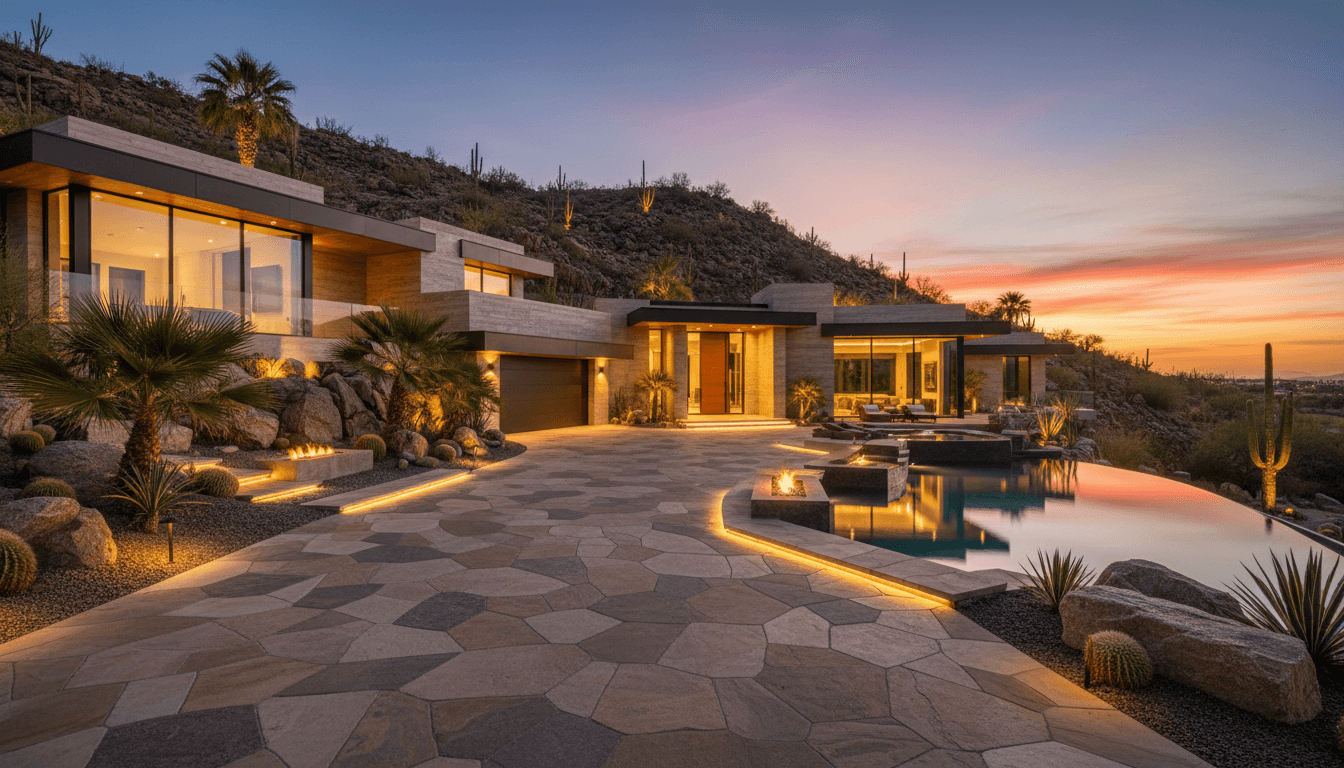
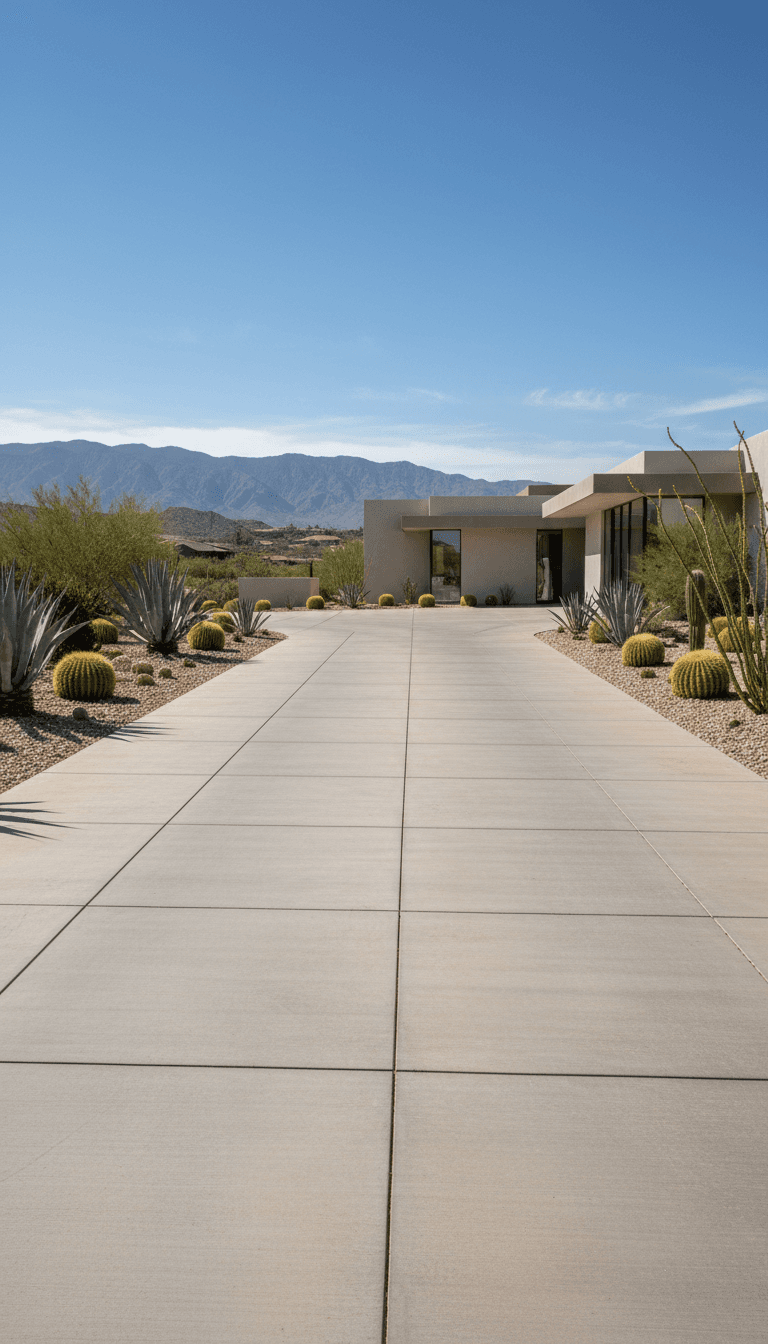
Integrating living elements with inert surfaces requires a technical understanding of desert microclimates. When we design stone patios or expansive driveways, we consider the thermal properties of the materials. Light-colored pavers, such as cream travertine or silver-toned concrete, have a high albedo effect. While this keeps the surface cooler for bare feet, it reflects significant solar radiation onto the undersides of nearby foliage. This "double sun" effect can desiccate sensitive species, making October the best time to plant desert plants Palm Desert homeowners choose for these high-exposure zones. The cooling autumn air helps mitigate this reflected heat during the initial acclimation period.
Selecting the right plant for the specific hardscape material is both an aesthetic and a functional decision. For high-end custom landscape design, we recommend pairings that highlight the texture of the stone while surviving its thermal output:
Hardscape Material | Recommended Plant Pairing | Benefit |
|---|---|---|
Cream Travertine | Blue Glow Agave | High heat tolerance; striking color contrast against neutral stone. |
Natural Flagstone | Red Yucca (Hesperaloe) | Softens stone edges; handles reflected heat without scorching. |
Charcoal/Dark Pavers | Desert Spoon (Dasylirion) | Silver-blue foliage creates a sophisticated palette; extremely hardy. |
Decomposed Granite | Baja Fairy Duster | Provides airy texture to balance heavy stone elements. |
Beyond aesthetics, structural integrity is paramount. We advise against planting species with aggressive, shallow root systems near the edges of your pavers. Plants like Ficus nitida or certain large palm varieties can eventually lift and shift stones, ruining the level surface of a driveway or patio. Instead, prioritize deep-rooting desert natives that stay within their allotted footprint. Proper placement, combined with a calibrated system for landscape lighting and irrigation, ensures that your greenery enhances your hardscaping rather than competing with it for space.
What to Plant in October: Coachella Valley Favorites
Transitioning from hardscape planning to horticultural selection allows you to capitalize on the most versatile month in the desert calendar. While cacti often prefer the high soil temperatures of late September, October remains the definitive window for a broad range of desert-adapted species. This period provides the ideal environmental balance for both structural succulents and larger canopy specimens.
Selecting the right palette for your custom landscape design involves balancing aesthetic form with biological resilience. We recommend the following categories for an October installation:
Succulents and Cacti: Agaves like the Queen Victoria or Blue Glow provide necessary geometric structure. Aloes and Golden Barrel Cacti should be positioned now to allow their moisture-storing tissues to stabilize before the cooler winter nights.
Desert Trees: The Desert Museum Palo Verde is a staple for its thornless branches and brilliant yellow blooms. Acacias also thrive when installed in October, allowing their deep taproots to anchor firmly into the substrate.
Shrubs and Accents: Texas Sage offers a soft, lavender-flowered border for stone patios, while Little Leaf Cordia provides dense, dark green foliage that stands up to regional winds.
Beyond these structural plants, October is the absolute start for citrus trees and cool-season annuals in Palm Desert. Meyer lemons and grapefruit trees planted now will bypass the intense heat stress that often stunts spring transplants. Coordinating these additions with a calibrated system for landscape lighting and irrigation ensures every new specimen receives the precise hydration needed during this critical growth phase. This seasonal variety is a primary reason why professionals view October as the best time to plant desert plants Palm Desert properties require for year-round beauty.
Soil Preparation and Irrigation: The Foundation of Fall Planting
Successful October planting relies on more than just timing; it requires technical soil management. In Palm Desert, we encounter a mix of highly porous sandy soil and heavily compacted sub-layers. When working near stone patios or retaining walls, ensuring proper drainage is non-negotiable. Poor drainage in these specific zones can lead to water logging, which is fatal for desert species during the cooler, shorter days of late autumn.
Before installing your custom landscape design, test the soil for compaction. If the earth is dense or silty, we recommend incorporating mineral-based amendments to improve aeration without compromising the stability of nearby hardscaping. This preparation is a prerequisite for utilizing the best time to plant desert plants Palm Desert provides for long term success.
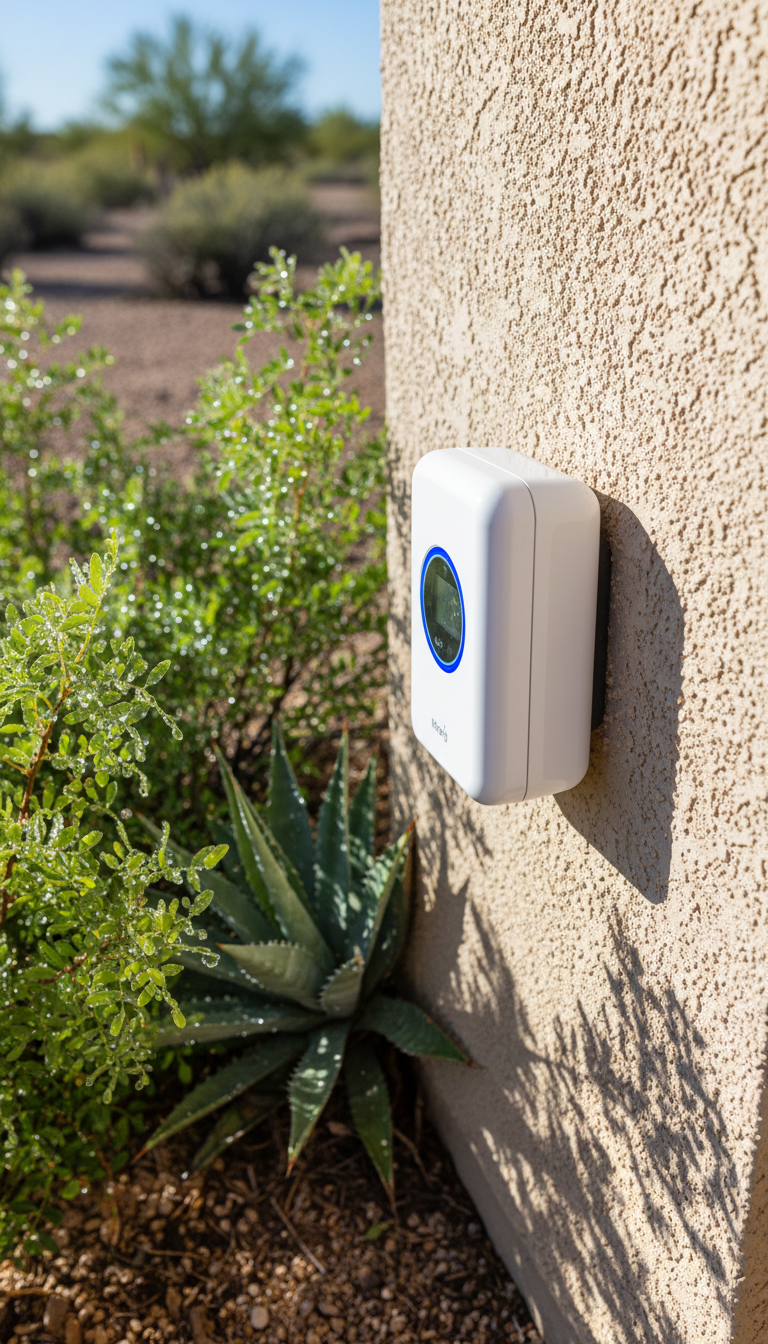
Irrigation requires a simultaneous shift. October marks the pivot point where your landscape lighting and irrigation systems must transition from summer survival mode to a growth-oriented fall schedule. We utilize smart controllers to manage this step down automatically, reducing water frequency as ambient temperatures drop. This precision ensures that new transplants receive the exact hydration needed to push roots deep into the earth while avoiding the root rot that often plagues manual over-watering during the transition to winter maintenance.
October provides the ideal conditions of cooling air and warm soil for desert plants to establish themselves. Taking advantage of this window ensures your landscape stays healthy throughout the year. If you want expert help creating a cohesive outdoor environment, our team can assist with high quality masonry projects. Designing custom driveways that flow seamlessly with your new greenery can elevate your entire property's curb appeal. We are available to help whenever you decide to begin your renovation.