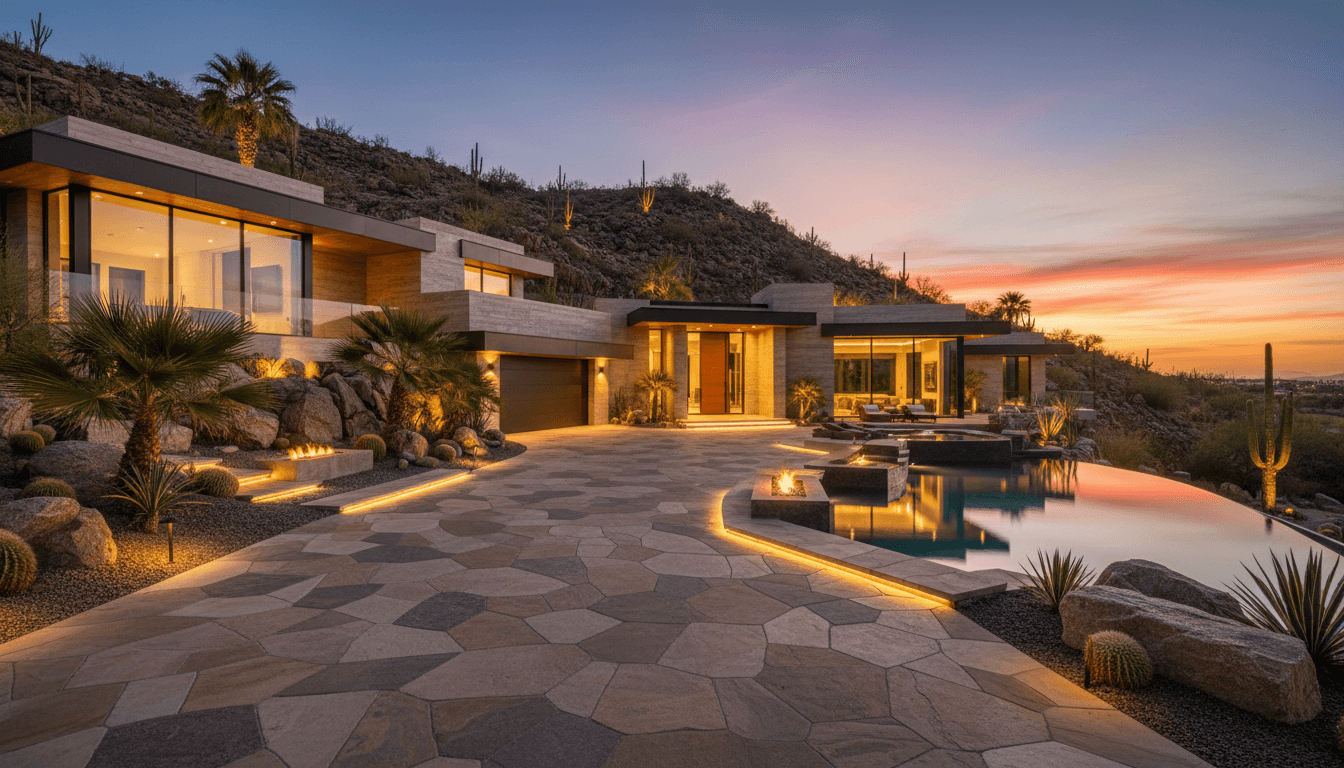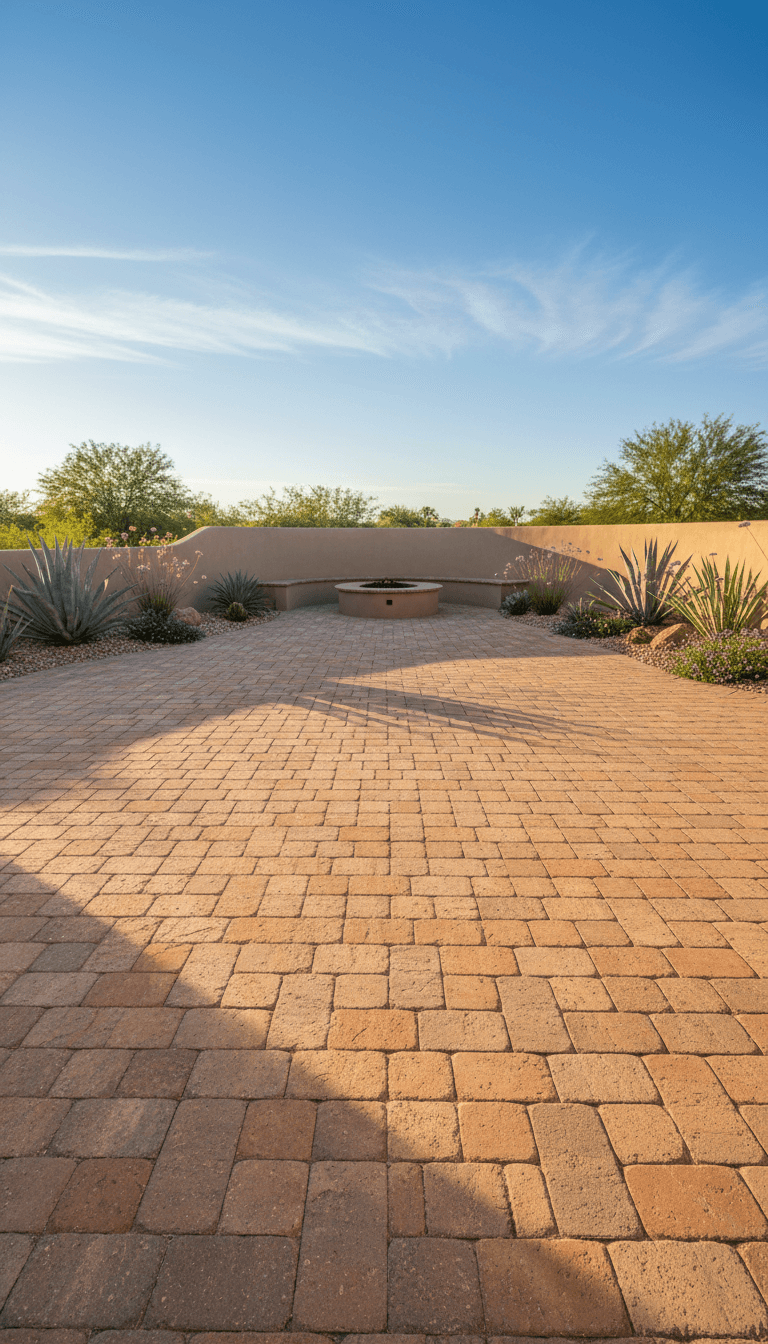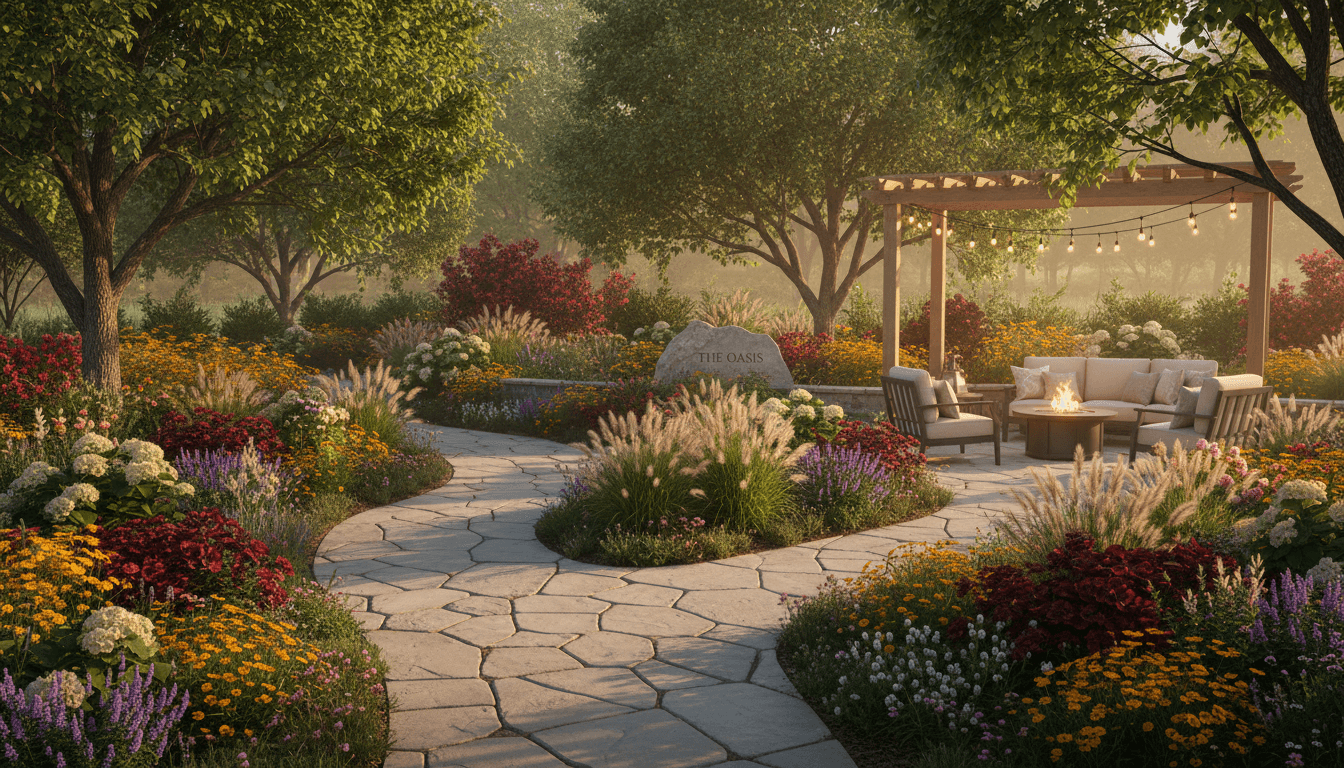
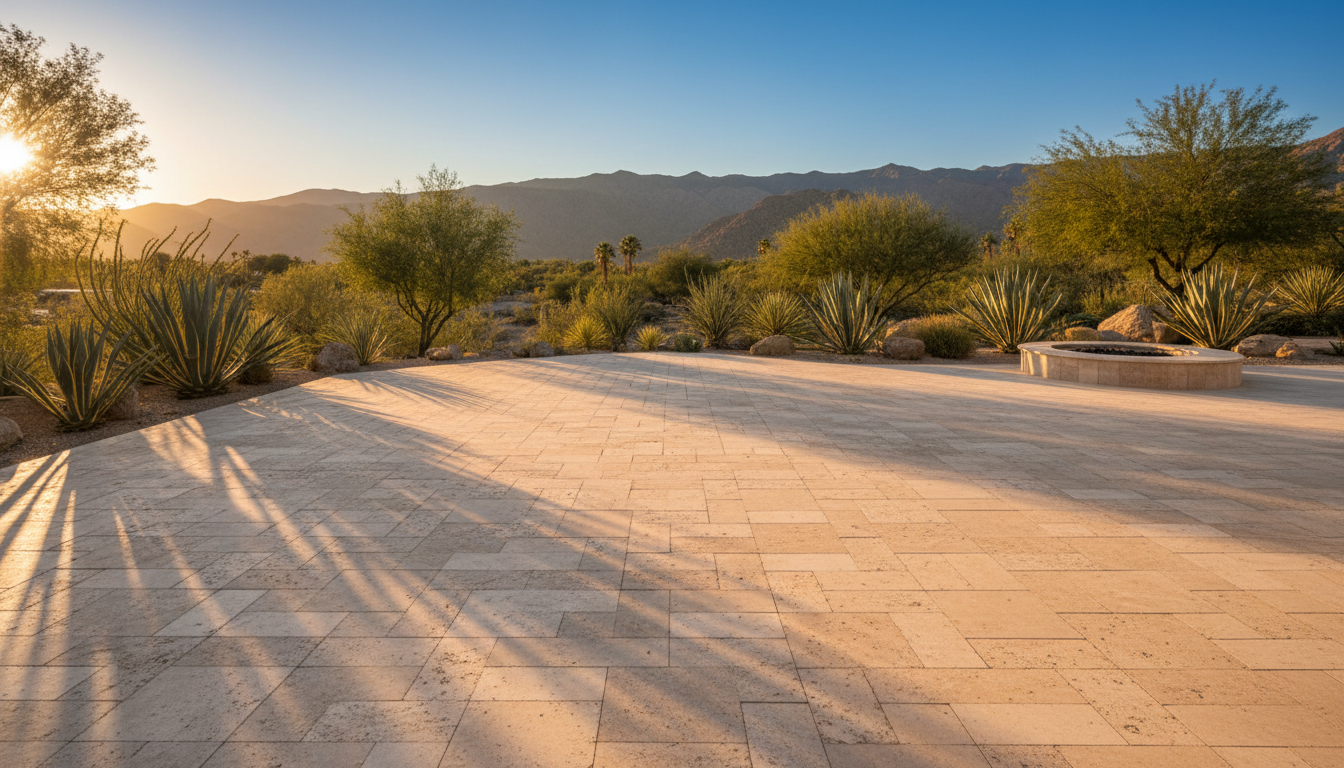
Successful Palm Desert fall yard preparation hardscape irrigation transition requires adjusting watering schedules for cooler temperatures, cleaning pavers to remove desert dust, and amending soil with compost for new plantings. Homeowners should also replenish mulch to protect root systems and inspect hardscape joints to maintain structural integrity throughout the seasonal shift.
As the intense Coachella Valley heat finally breaks, Palm Desert homeowners often find their outdoor spaces showing the wear of a brutal summer and recent monsoon activity. Dusty pavers, clogged drainage, and irrigation systems still pumping water at peak summer rates can quickly lead to costly damage or wasted resources. Transitioning your property during this unique seasonal shift is about more than just aesthetics; it is a vital maintenance phase that protects your hardscape investment. In this guide, we will detail the essential steps for post-monsoon recovery, including deep cleaning your living spaces and recalibrating your irrigation for the thirty to fifty percent water reduction typically needed this time of year. You will also learn how to prepare your soil and lighting to ensure your yard remains a functional, sophisticated sanctuary throughout the cooler months.
The Coachella Valley Second Spring: Why Fall Transition Matters
In the Coachella Valley, the arrival of September does not signal a seasonal shutdown. While homeowners across the country are preparing to retreat indoors for winter, Palm Desert residents are entering their most vibrant outdoor season. We refer to this period as the Second Spring. It is a critical window between September and October where the technical heavy lifting of property maintenance occurs.
This transition presents a unique set of challenges. We are currently navigating the aftermath of late summer monsoon humidity while still contending with lingering 100 degree daytime temperatures. These extremes can significantly stress plant life and hardscape materials alike. Even as evening temperatures begin to drop, the soil remains warm, creating a high-stakes environment for your outdoor living spaces. Proper Palm Desert fall yard preparation hardscape irrigation transition strategies are essential to ensure your property thrives during the peak hosting months ahead.
Addressing the shift from survival mode to growth mode requires a specialized approach. This is the ideal time to evaluate the integrity of your professional stone patio design and ensure your custom lighting and irrigation systems are recalibrated for the changing light cycles and moisture requirements of the desert floor. Failing to act during this window can lead to increased water waste or plant failure as the environment shifts toward the cooler winter months.
Post Monsoon Hardscape Recovery: Protecting Your Pavers
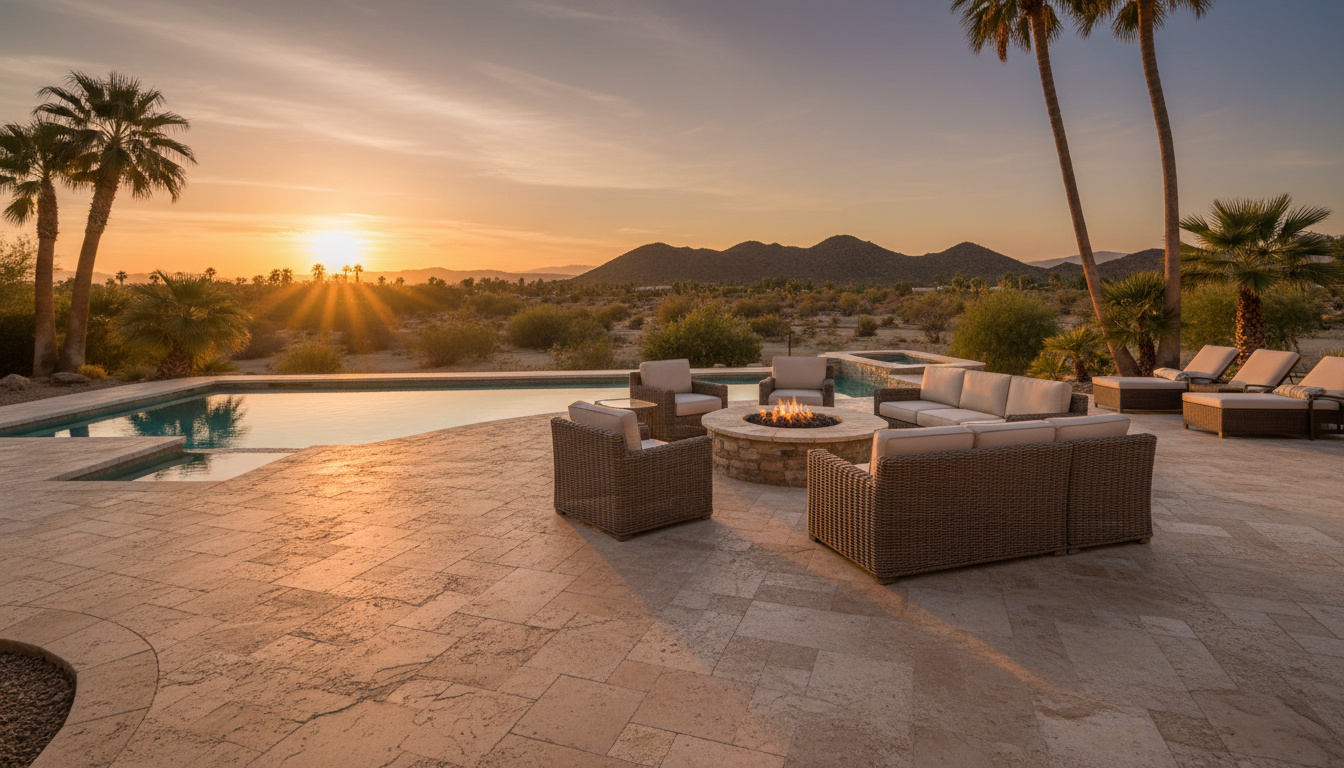
The structural integrity of your hardscaping faces its greatest trial during the summer monsoon season. Intense downpours and haboobs common in the Coachella Valley do more than just leave a layer of dust; they often trigger the "Monsoon Washout" effect. This occurs when heavy, localized rain creates enough velocity to displace the polymeric sand within your paver joints. Because this sand serves as the primary stabilization agent for your installation, its loss can lead to shifting stones and unsightly weed growth.
Begin your Palm Desert fall yard preparation hardscape irrigation transition by conducting a tactile inspection of your high-end driveways and walkways. Look for gaps where the sand has recessed more than an eighth of an inch below the paver edge. If you notice vertical movement or "rocking" when stepping on a stone, the joint stabilization has likely been compromised. While a simple surface cleaning removes the alkaline dust, it will not address structural voids. Professional re-sanding is often required to restore the interlocking tension of the system.
Furthermore, the extreme UV index in Palm Desert accelerates the degradation of protective sealants. Over the summer, the combination of 110 degree heat and abrasive dust storms thins these coatings, leaving porous materials like travertine or natural stone vulnerable to staining. Applying a fresh seal in the fall is a strategic move. The moderate October temperatures provide the ideal curing environment, ensuring your professional stone patio design is fully protected and aesthetically revitalized before the high-traffic winter hosting season begins. This maintenance step prevents moisture from penetrating the stones during the rare but impactful winter rains, preserving the color saturation and structural finish of your investment.
The Dust Factor: Deep Cleaning Your Outdoor Living Space
Restoring your outdoor surfaces requires more than a standard garden hose. Palm Desert is plagued by fine, alkaline dust that finds its way into the smallest fissures of textured materials like travertine and natural stone. This grit acts as an abrasive, dulling the finish of your investment over time. As part of a comprehensive Palm Desert fall yard preparation hardscape irrigation transition, you must remove this layer before it bonds to the surface.
Avoid the temptation to use high pressure washers for DIY cleaning. Without professional oversight, excessive PSI can etch delicate stone or inadvertently blast away the stabilized sand within the joints, compromising the structural interlock. Instead, utilize a stiff push broom to clear loose debris first. When it comes time to rinse, schedule your cleaning for the early morning. Coachella Valley water is notoriously hard; washing during the heat of the day causes rapid evaporation, leaving behind stubborn mineral spots that are difficult to remove from a professional stone patio design. A gentle, low pressure soak during the cooler hours ensures a streak free finish that highlights the stone's natural color and prepares the surface for a fresh seasonal sealant.
Irrigation Adjustments: The 30 to 50 Percent Rule
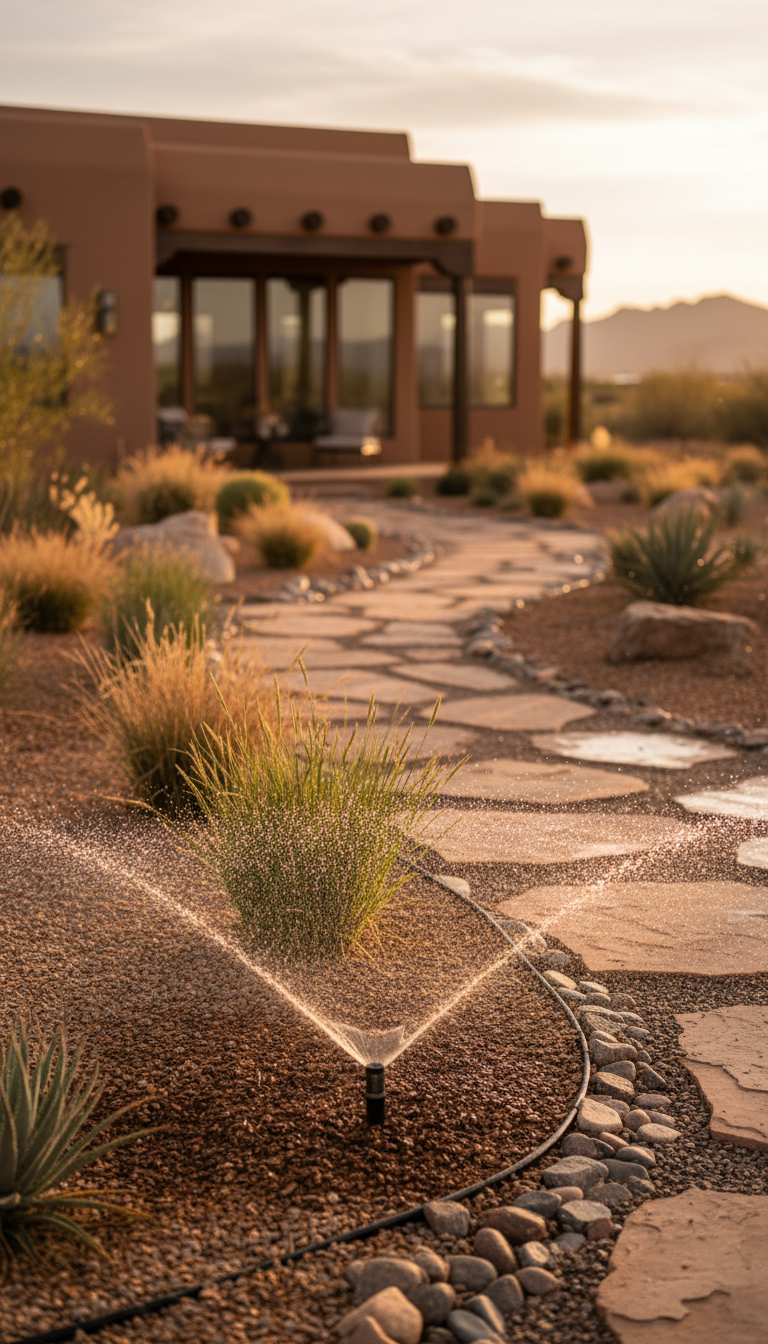
In Palm Desert, the shift from September to October marks a significant reduction in plant water requirements. According to Coachella Valley Water District (CVWD) guidelines, landscapes typically require 30 to 50 percent less water as days shorten and temperatures drop. This is a technical pivot from survival watering, which focuses on preventing heat stress during 115 degree peaks, to growth watering, where the goal is to support the establishment of new roots and fall foliage without oversaturating the soil.
Maintaining this balance is crucial during the Palm Desert fall yard preparation hardscape irrigation transition. Excessive water in cooling soil creates an environment ripe for root rot and fungal issues. It is the ideal time to inspect your custom lighting and irrigation systems for technical inefficiencies. Specifically, check drip emitters for mineral accumulation. A summer of high volume use often leads to calcium clogs, which are common in our hard water region. A clogged emitter can starve a specimen plant even while the rest of the zone is receiving adequate moisture, leading to localized plant failure that is often misdiagnosed as heat stress.
Integrating smart irrigation controllers provides a significant advantage for modern desert properties. These systems utilize local weather data and evapotranspiration rates to automatically scale back run times as Coachella Valley nights cool down. By utilizing these tools, you ensure precision application that protects your landscape investment and adheres to regional conservation goals. This technical adjustment prepares your property for the upcoming planting season while preventing the oversaturation runoff that can degrade your hardscape joints.
Soil Preparation and Planting for Fall Color
Transitioning from irrigation management to the biological needs of your garden requires an understanding of the Coachella Valley’s unique soil chemistry. Fall represents the superior window for planting natives and succulents because the warm soil encourages aggressive root growth while the cooling air reduces the risk of heat stroke. Successful Palm Desert fall yard preparation hardscape irrigation transition relies heavily on a process we call amending the desert floor.
Because our local soil is predominantly sandy and porous, it often lacks the organic matter necessary to sustain high-performance landscapes. You must integrate high-quality compost and balanced, slow-release fertilizers into the planting zones to improve both moisture retention and nutrient availability. This preparation is essential for desert natives such as the Desert Willow (Chilopsis linearis) and Ocotillo, which thrive when established during the September and October window. For homeowners looking to add texture and seasonal color, Pink Muhly and Blue Grama grass provide a soft, organic contrast to the structured lines of a professional stone patio design.
This is also the ideal time to propagate Agave pups. Use a sharp, sterilized blade to separate the pups from the parent plant, then allow the cut ends to callus in a shaded location for two to three days. Once callused, pot them in a specialized cactus mix for four to six weeks until roots are established before moving them into your permanent landscape.
To finish the planting process, replenish your organic mulch or fine gravel to a depth of two to three inches. This layer serves as a critical thermal regulator; it protects sensitive root zones from the lingering 100 degree afternoon temperatures while providing a buffer against the sharp overnight frosts that occur later in the season. Proper mulching also prevents soil crusting, ensuring that your custom lighting and irrigation systems can deliver water efficiently to the root ball without unnecessary runoff or evaporation.
Lighting and Ambiance: Preparing for Shorter Days
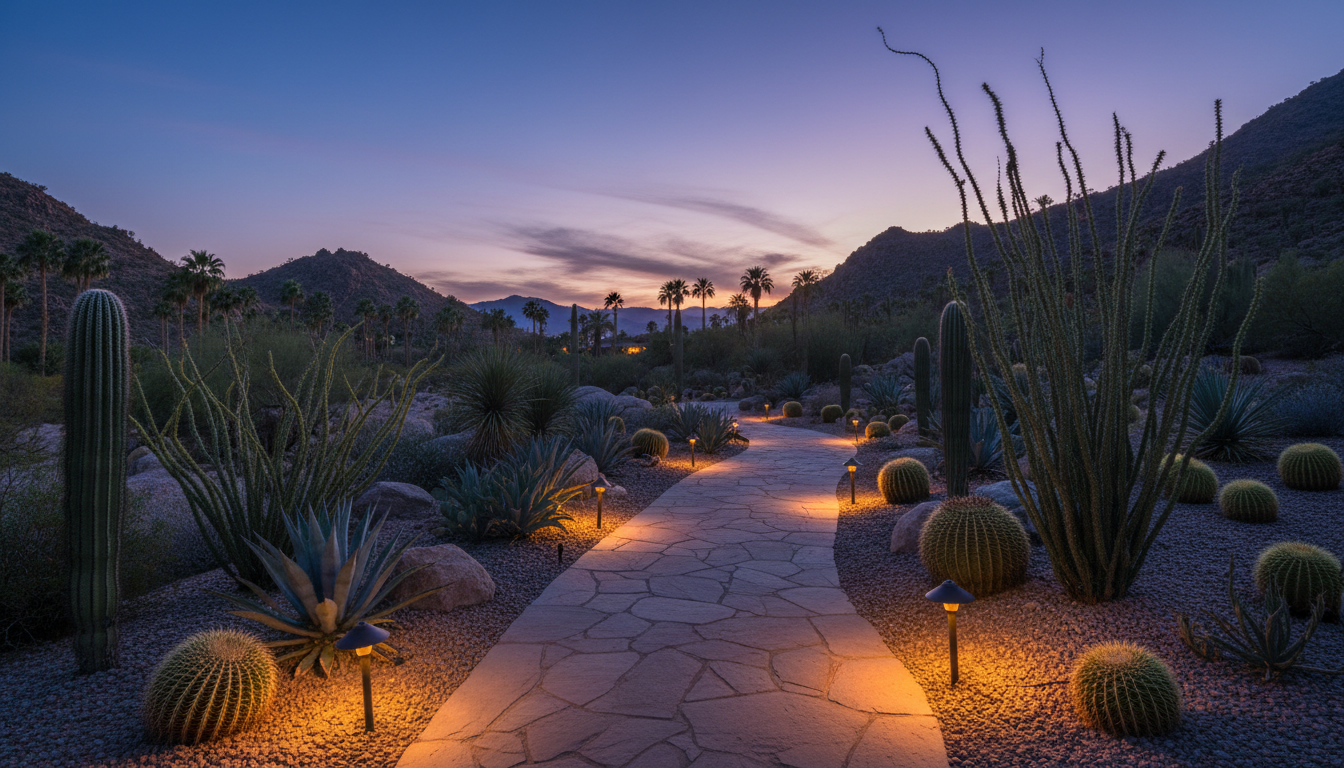
As the physical landscape settles into its new planting and mulching cycle, the visual utility of your property shifts toward the evening hours. The earlier sunset necessitates a thorough audit of your low-voltage lighting to maintain the functionality of your outdoor living areas. A core component of the Palm Desert fall yard preparation hardscape irrigation transition involves verifying that your system survived the rigors of summer maintenance.
Summer gardening activities, such as aggressive edging or transplanting, frequently result in severed or damaged wires that remain unnoticed until the days shorten. Walk the perimeter of your high-end driveways and check that every fixture is plumb and clear of debris. Sand and leaf litter can accumulate around the base of path lights, obstructing the beam and creating shadows that compromise safety on stone walkways.
Cleaning the lenses is equally critical. The fine dust and hard water overspray from summer irrigation often create a cloudy film on glass covers. A gentle cleaning with a microfiber cloth restores the crisp light that highlights the textures of a professional stone patio design. Finally, verify your transformer settings. Synchronizing your custom lighting and irrigation systems ensures your landscape is illuminated precisely as the sun dips below the San Jacinto Mountains, providing both security and a sophisticated backdrop for fall entertaining.
Fall Checklist for Palm Desert Homeowners
Executing a successful Palm Desert fall yard preparation hardscape irrigation transition requires a systematic approach to maintenance. Use this checklist to prioritize your property's technical and aesthetic needs as the Coachella Valley enters its most active season:
Conduct a tactile inspection of paver joints to identify areas requiring professional re-sanding after monsoon washouts.
Adjust irrigation timers to reduce water volume by 30 to 50 percent as evening temperatures drop and evaporation rates slow.
Apply a balanced fertilizer to citrus trees to facilitate healthy fruit development through the winter months.
Perform a deep cleaning of outdoor kitchen surfaces and professional stone patio design zones to eliminate abrasive, alkaline mineral buildup.
Test all custom lighting and irrigation systems for damaged components or buried fixtures to ensure optimal performance for shorter daylight hours.
Book a professional assessment of high-end driveways and walkways to confirm structural stability and sealant integrity before the peak social season begins.
Preparing your Palm Desert yard for the fall season involves a careful balance of irrigation adjustments and hardscape maintenance. These proactive steps ensure your outdoor living space remains resilient and beautiful as the temperatures begin to shift. While many homeowners enjoy tackling these transitions independently, some projects benefit from a professional touch. If you want expert help ensuring your landscape thrives, you can learn more about our specialized approach to desert design. We are ready to assist whenever you need us.