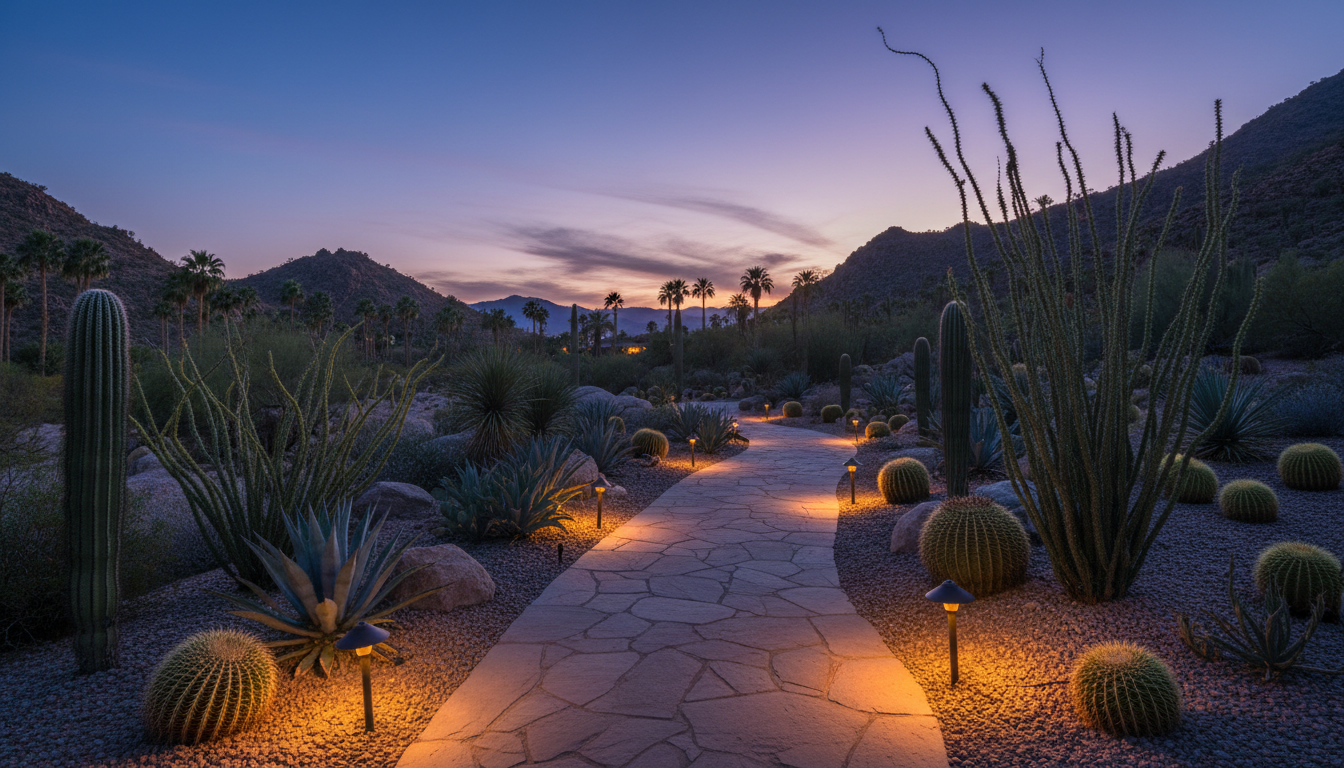
A successful outdoor kitchen Palm Desert requires a foundation of high quality pavers and robust utilities to withstand extreme temperature fluctuations and shifting sands. While premium appliances are important, the underlying infrastructure provides the essential durability and safety needed for a permanent desert installation.
Most Palm Desert homeowners start their outdoor kitchen journey by browsing luxury grills and stainless steel appliances; yet they often overlook the technical foundation that prevents those investments from sinking or scorching. In the Coachella Valley, the relentless 115 degree sun and shifting desert sands can quickly turn a beautiful patio into a maintenance nightmare if the substructure is ignored. A truly functional desert kitchen requires a sophisticated balance of heat resistant pavers and precision engineered utility lines. In this guide, we will break down the essential steps for proper site preparation, from running underground gas and water lines to choosing materials that remain cool underfoot. You will learn how to avoid common installation mistakes, navigate local permit requirements, and build a high performance kitchen that enhances your property value for decades.
The Foundation of a Luxury Desert Kitchen
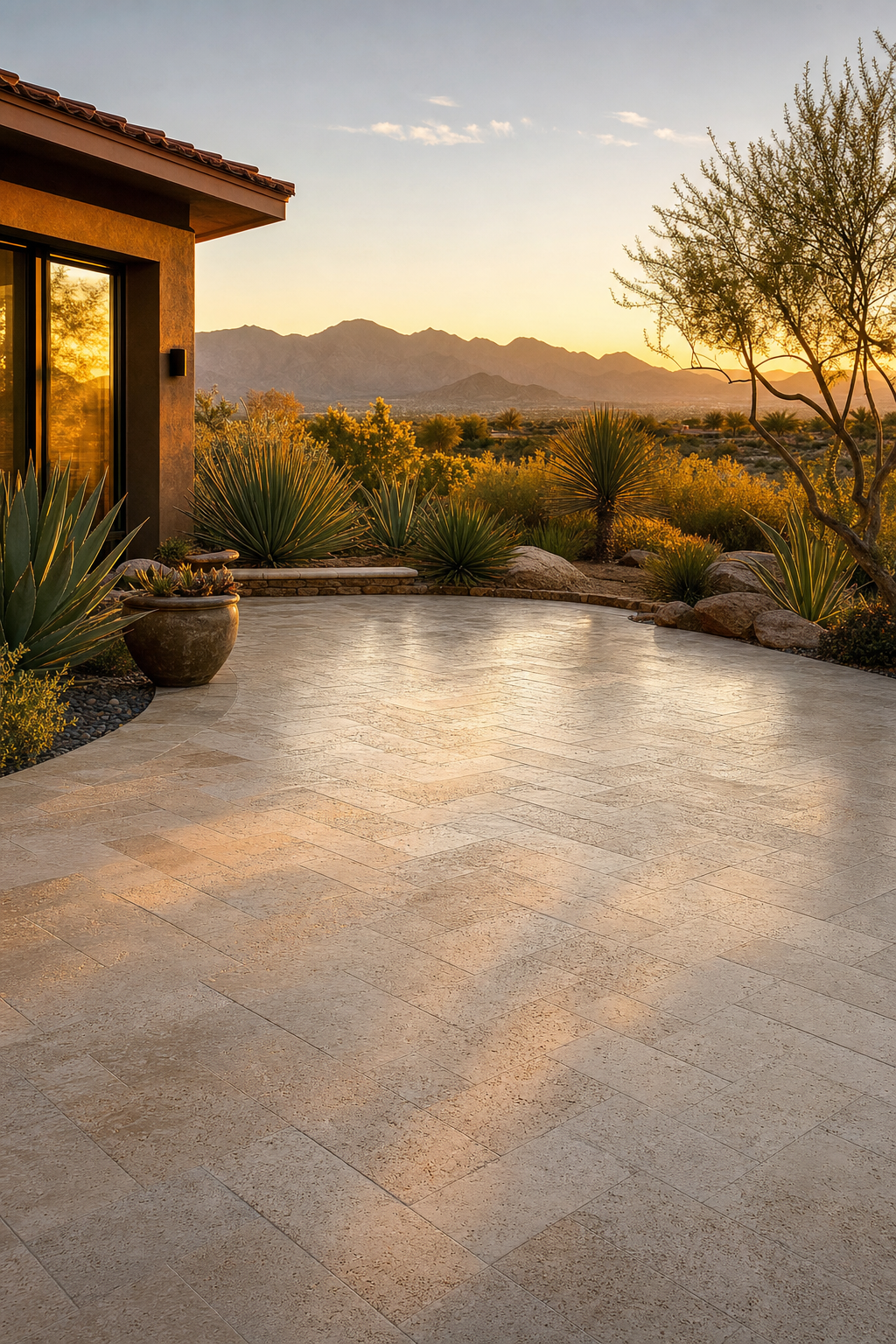
Living in the Coachella Valley offers a unique opportunity to blur the lines between indoor luxury and outdoor relaxation. The allure of a high-end outdoor kitchen Palm Desert homeowners dream of often begins with a premium 304-grade stainless steel grill, a wood-fired pizza oven, or a built-in rotisserie. However, the long-term success of these installations rests entirely on what lies beneath the surface. While aesthetic choices like stone patios define the visual appeal, the structural integrity depends on landscape engineering tailored to our specific desert environment.
A DIY approach might involve placing masonry blocks directly on leveled sand, but professional installation accounts for the unique volatility of local soil. The sandy compositions found in Palm Desert and Rancho Mirage are prone to shifting and settling under the immense weight of heavy kitchen islands, which can easily exceed 2,000 pounds. Without a reinforced foundation and a properly engineered base, even the most expensive appliances will eventually sit on a tilting, cracked, or uneven surface.
Furthermore, a luxury desert kitchen requires a sophisticated master plan for landscape lighting and irrigation alongside utility routing. Subsurface gas, water, and electrical lines must be integrated into the hardscape foundation long before the first paver is set. This invisible infrastructure ensures that your investment survives the 120-degree summers and the high winds typical of the Coachella Valley; providing a stable, functional environment that remains level and safe for decades.
Can You Build an Outdoor Kitchen on Pavers?
A frequent question during the planning phase of an outdoor kitchen Palm Desert project is whether a heavy masonry island can sit directly on top of a paver surface. The answer is yes, but it is not as simple as placing a prefabricated unit onto an existing patio. A standard residential patio is engineered to support foot traffic and lightweight furniture, roughly 50 to 80 pounds per square foot. In contrast, a fully loaded stone island with a granite countertop and heavy appliances can easily exceed 2,000 pounds, creating a concentrated point load that would cause standard paver layouts to sink or tilt.
In the Coachella Valley, the primary challenge is our native sandy soil. This material is highly prone to compression and lateral shifting under significant weight. If you install a heavy kitchen island on a standard base, you risk the structural integrity of the entire space. As the island settles into the sand, the surrounding pavers will heave or crack, leading to drainage issues and potential damage to the utility lines hidden beneath.
To mitigate these risks, we employ two primary methods of reinforcement:
The Hidden Concrete Footer: For fixed, heavy masonry structures, we excavate a specific trench beneath the kitchen's footprint and pour a reinforced concrete footer. This footer transfers the weight of the island deep into the sub-grade, ensuring the structure remains level while allowing decorative pavers to be laid right up to the edge for a seamless finish.
Engineered Sub-Base Thickening: If a footer is not used, the base must be over-excavated to a depth of 10 to 12 inches and filled with extra-compacted Class II road base. We often integrate geogrid reinforcement layers to stabilize the sandy desert soil, creating a rigid platform that prevents the island from sinking.
Component | Standard Patio Base | Kitchen Foundation Base |
|---|---|---|
Base Material | 4-6" Compacted Aggregate | 8-12" Reinforced Aggregate |
Load Handling | Distributed Foot Traffic | Concentrated Point Loads |
Stabilization | Bedding Sand | Concrete Footer or Geogrid |
Longevity | High (for light use) | Engineered for Heavy Masonry |
Selecting the right structural approach depends on the total weight of your chosen materials and appliances. Before you commit to a design, contact Pavers Pavers Pavers to evaluate your site and ensure your foundation is built to withstand the unique demands of desert soil conditions.
Best Outdoor Kitchen Island Foundation and Base Preparation
Building a lasting outdoor kitchen Palm Desert soil conditions require a departure from standard residential landscaping practices. The high sand content in our region provides excellent drainage but offers very little structural stability under heavy loads. A professional base begins with the installation of a high quality Geotextile fabric. This permeable barrier prevents the fine native desert sand from migrating upward and contaminating your structural layers; it is the primary defense against the uneven sinking that plagues many Coachella Valley projects.
Above the fabric, we install a minimum of eight inches of Class II road base, applied in thin lifts and mechanically compacted to 95 percent density. As we have previously detailed in our expertise regarding why desert soil demands a different driveway base, this rigorous compaction creates a rigid, monolithic platform that resists lateral movement. Only after this base is secured do we apply the fine bedding sand required for the final paver installation.
The engineering approach depends on the island design:
Feature | Floating Island | Fixed Masonry Structure |
|---|---|---|
Base Requirement | Thickened, compacted aggregate | Reinforced concrete footer |
Movement | Moves slightly with the paver field | Anchored to prevent all movement |
Application | Prefabricated or lightweight frames | Heavy stone, brick, or concrete blocks |
A floating island rests entirely on the thickened base, which is suitable for lighter units. However, for fixed masonry structures with heavy natural stone veneers, a dedicated footer is necessary to ensure the weight does not compromise the leveling of the surrounding stone patios.
Underground Essentials: Running Gas, Water, and Electrical Lines
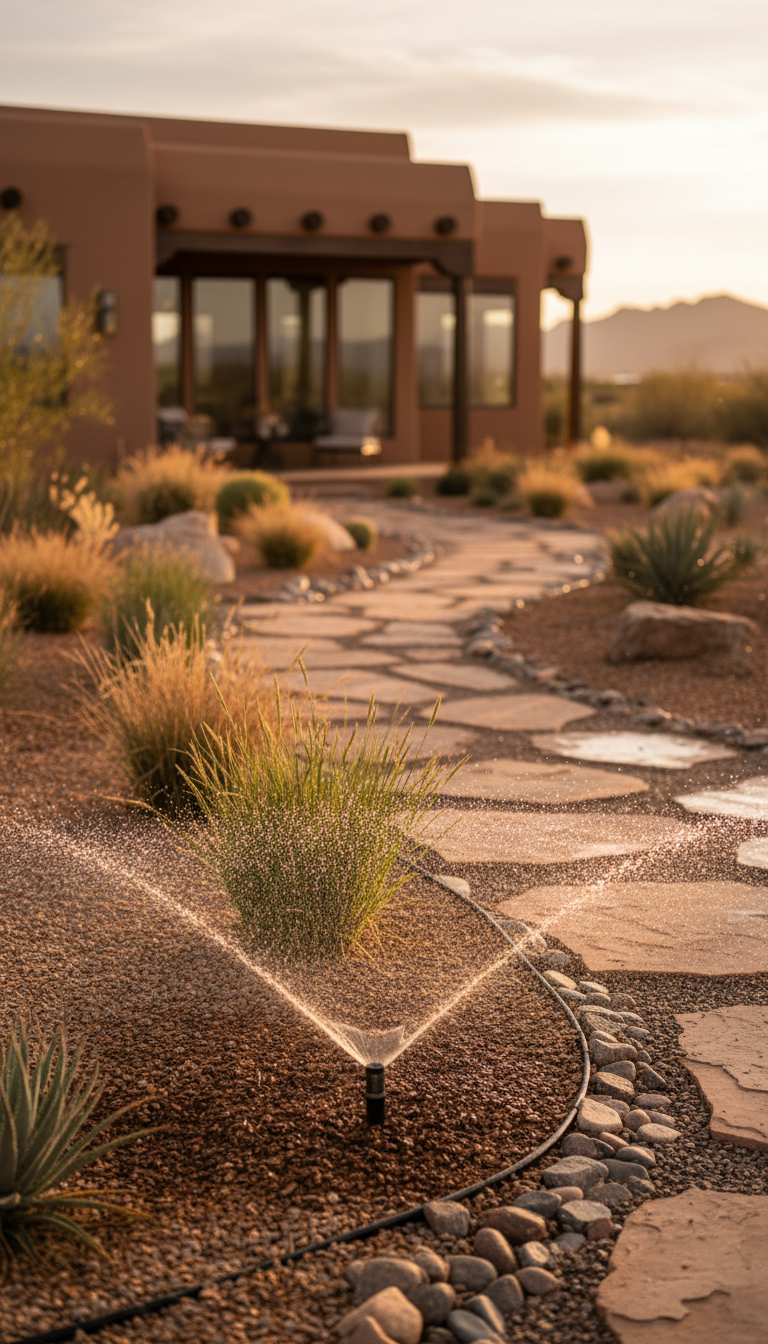
Once the structural base is engineered, the focus shifts to the vital conduits that power your culinary space. Integrating gas, water, and electrical lines into an outdoor kitchen Palm Desert project is a non-negotiable step that must occur before the first paver is placed. Attempting to retrofit these utilities after a patio is completed requires lifting pavers, trenching through compacted base material, and often patching surfaces; this compromises the monolithic stability of the foundation we worked so hard to stabilize. A comprehensive master plan avoids these expensive technical errors and ensures your utility runs are protected within the sub-grade.
To ensure your kitchen performs at a professional level, we follow a strict utility checklist tailored to the Coachella Valley lifestyle:
Gas Line Capacity: High end professional grills and power burners often require significantly more BTUs than a standard backyard BBQ. We calculate the total load, including side burners and fire features, to ensure pipe diameters provide consistent pressure during peak use.
Strategic Drainage: Outdoor sinks require dedicated drainage solutions that comply with local building codes. In the intense desert heat, standing water in pipes or improper grading leads to odors and bacterial growth; we ensure gravity fed lines or specialized sump pumps keep the system sanitary.
Dedicated Electrical Circuits: Modern outdoor spaces demand more than a single GFCI outlet. Refrigerators, rotisserie motors, and landscape lighting and irrigation systems require dedicated circuits to prevent breakers from tripping when multiple appliances are running simultaneously.
These lines are encased in high durability conduit to withstand the extreme pressure of the compacted road base and the thermal expansion caused by seasonal temperature swings. By roughing in these essentials early, you preserve the visual integrity of your stone patios and avoid the need for invasive repairs down the road. If you are beginning the planning phase, contact Pavers Pavers Pavers to ensure your utility infrastructure is engineered for long term reliability.
Heat Resistant Materials: Choosing Pavers for the 115 Degree Summer
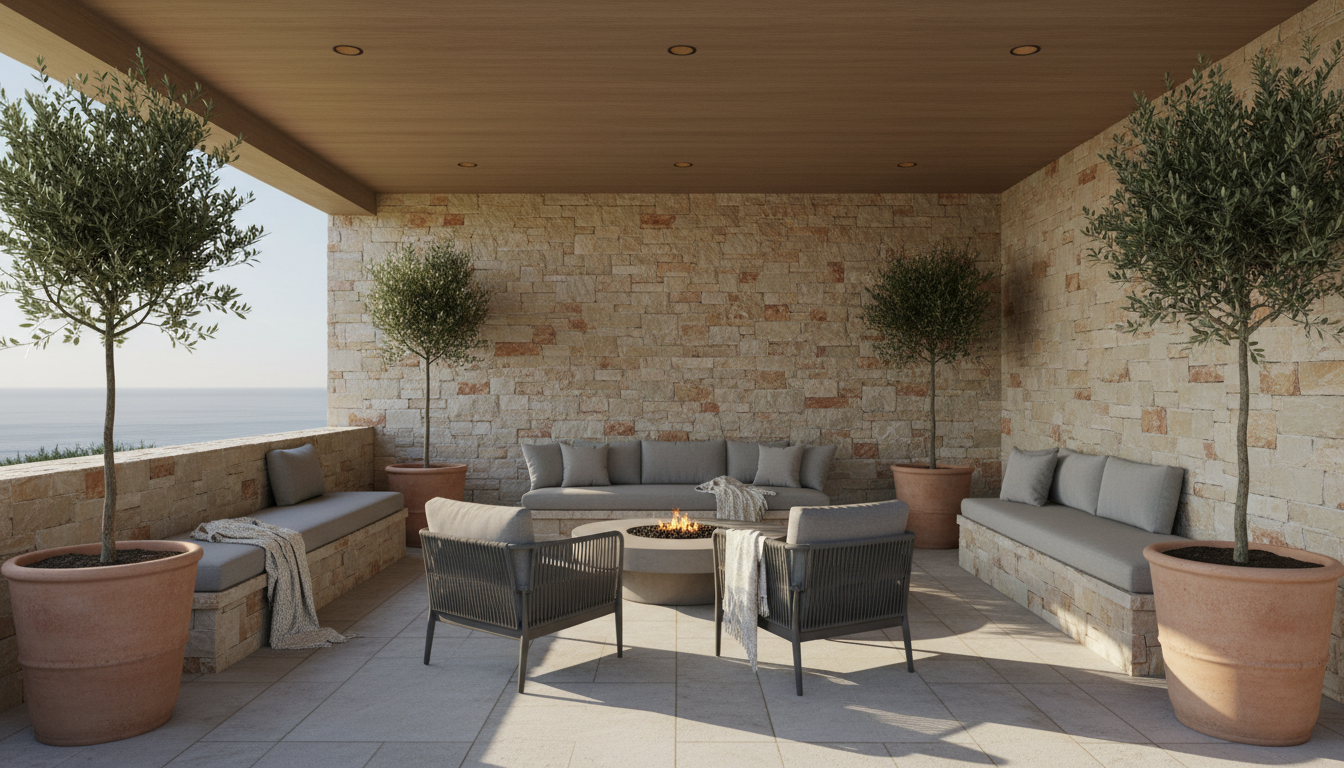
Selecting the surface for an outdoor kitchen Palm Desert project requires a technical focus on the Solar Reflectance Index (SRI). This metric measures a material's ability to reflect solar heat rather than absorbing it. In the Coachella Valley, where summer temperatures regularly exceed 115 degrees, a low SRI material like dark slate or deep charcoal concrete can become dangerously hot, reaching temperatures that cause physical discomfort or skin burns.
Material | Heat Performance | Pros | Cons |
|---|---|---|---|
Travertine | Superior | Natural cooling; high SRI | Porous; needs specific sealing |
Porcelain Pavers | Excellent | Non-porous; UV resistant | Requires specialized thin-set |
Concrete Pavers | Good (Light Tones) | Durable; versatile designs | Retains more heat than stone |
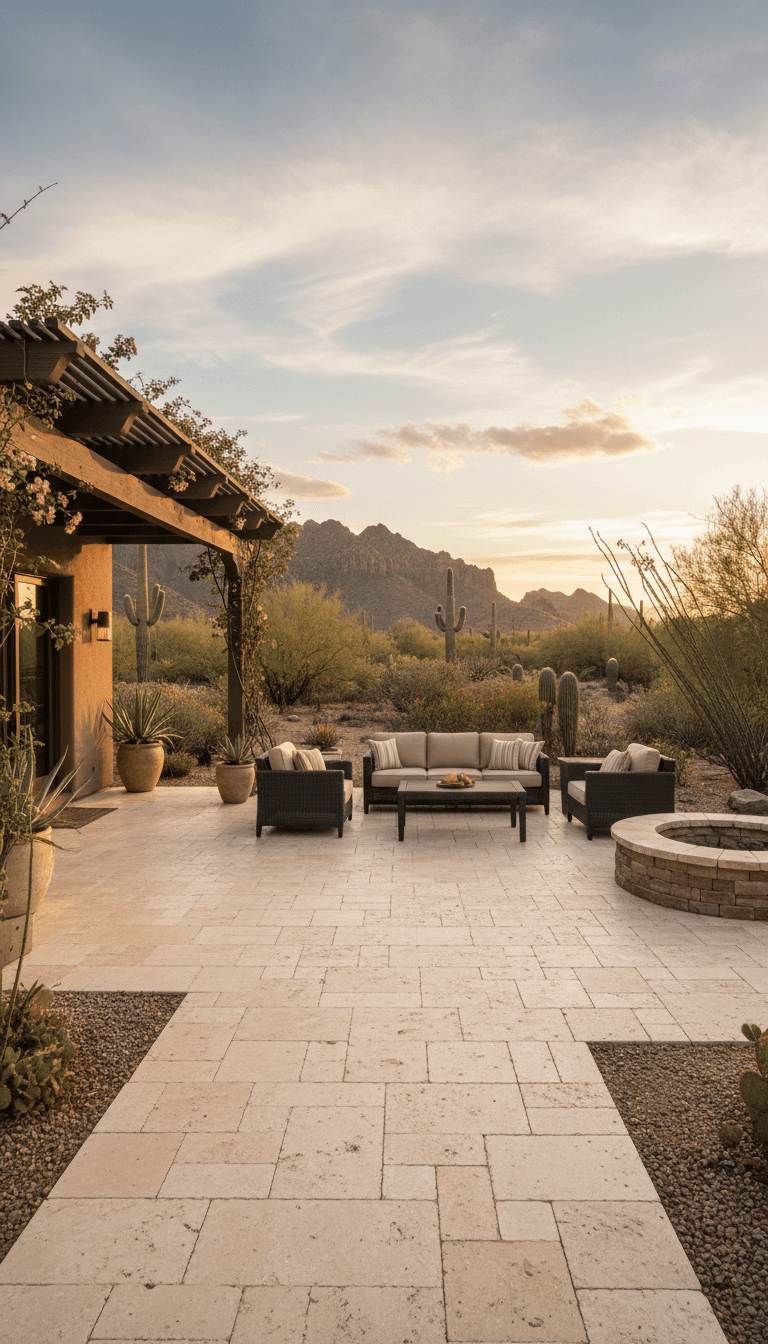
Travertine remains a desert favorite for stone patios because its natural composition allows it to stay remarkably cool underfoot. Unlike dense concrete, which acts as a thermal mass and radiates heat long after sunset, travertine’s light color and cellular structure reflect the majority of solar radiation. However, because travertine is a calcium-based natural stone, it is highly susceptible to etching. Acidic substances common in outdoor cooking, such as lemon juice, wine, or vinegar, can chemically react with the stone to leave permanent dull spots.
To protect your investment, we apply high grade, oil-resistant penetrative sealers to the kitchen zone. This barrier is essential for preventing grease spills from the grill from penetrating the surface and ensuring the pavers withstand the intense UV exposure of the region without losing their structural integrity. If you are debating between these high performance materials, contact Pavers Pavers Pavers to evaluate which surface best aligns with your culinary needs and aesthetic goals.
Common Outdoor Kitchen Mistakes to Avoid in the Desert
Designing an outdoor kitchen Palm Desert residents will use year round requires moving beyond aesthetics to address the environmental realities of the Coachella Valley. One frequent mistake is ignoring the prevailing wind patterns. High winds often sweep through the valley from the northwest; placing a high BTU grill directly upwind of your sliding glass doors ensures your living room will be filled with smoke every time you sear a steak. Proper orientation involves analyzing your specific lot to ensure smoke carries away from the residence.
Sun exposure is the most critical overlooked factor. Even high end stone patios and light colored countertops can reach temperatures exceeding 150 degrees when exposed to direct afternoon sun. Failing to integrate a permanent shade structure, such as a cantilevered pergola or an extension of the roofline, renders the space unusable for much of the day.
Consider the following functional layout tips:
The Work Triangle: Maintain a tight path between the grill, the outdoor sink, and the refrigeration unit to minimize movement.
Indoor Proximity: Locate the outdoor station close to the primary indoor kitchen to simplify food transport and cleanup.
View Orientation: Position guest seating and the primary prep area to face the San Jacinto mountains, capturing the sunset glow while keeping the chef involved in the conversation.
Strategic planning for landscape lighting and irrigation around these zones further ensures the space remains inviting after dark. For a professional site evaluation, contact Pavers Pavers Pavers to map out a layout that works with, not against, the desert elements.
Permits and Property Value in Palm Desert
Navigating the regulatory landscape in the Coachella Valley requires an understanding of municipal codes that vary between Palm Desert, Indian Wells, and Rancho Mirage. While a simple walkway might not always trigger a formal review, a comprehensive outdoor kitchen Palm Desert project almost certainly will. Local building departments prioritize safety regarding pressurized gas lines and dedicated electrical circuits to ensure they can withstand the region's seismic activity and extreme thermal ranges.
Kitchen Component | Permit Requirement | Primary Code Focus |
|---|---|---|
Gas Line Extension | Required | Pressure testing and burial depth |
Electrical Circuits | Required | GFCI protection and conduit integrity |
Drainage/Plumbing | Required | Proper slope and sewer connection |
Hardscape Foundations | Varies by City | Setbacks and drainage permeability |
Providing proof of professional engineering for the utility infrastructure and stone patios protects the homeowner from future liability during a sale. From a real estate perspective, these spaces are treated as high-value square footage. Local realtors consistently report that a well-integrated outdoor living area featuring landscape lighting and irrigation is a top-tier demand for Coachella Valley homebuyers. A kitchen built on a stabilized, engineered base yields a significantly higher ROI than many interior renovations, as it capitalizes on the year-round outdoor lifestyle that defines the region. To ensure your investment meets all local standards and maximizes your property value, contact Pavers Pavers Pavers for a professional site evaluation.