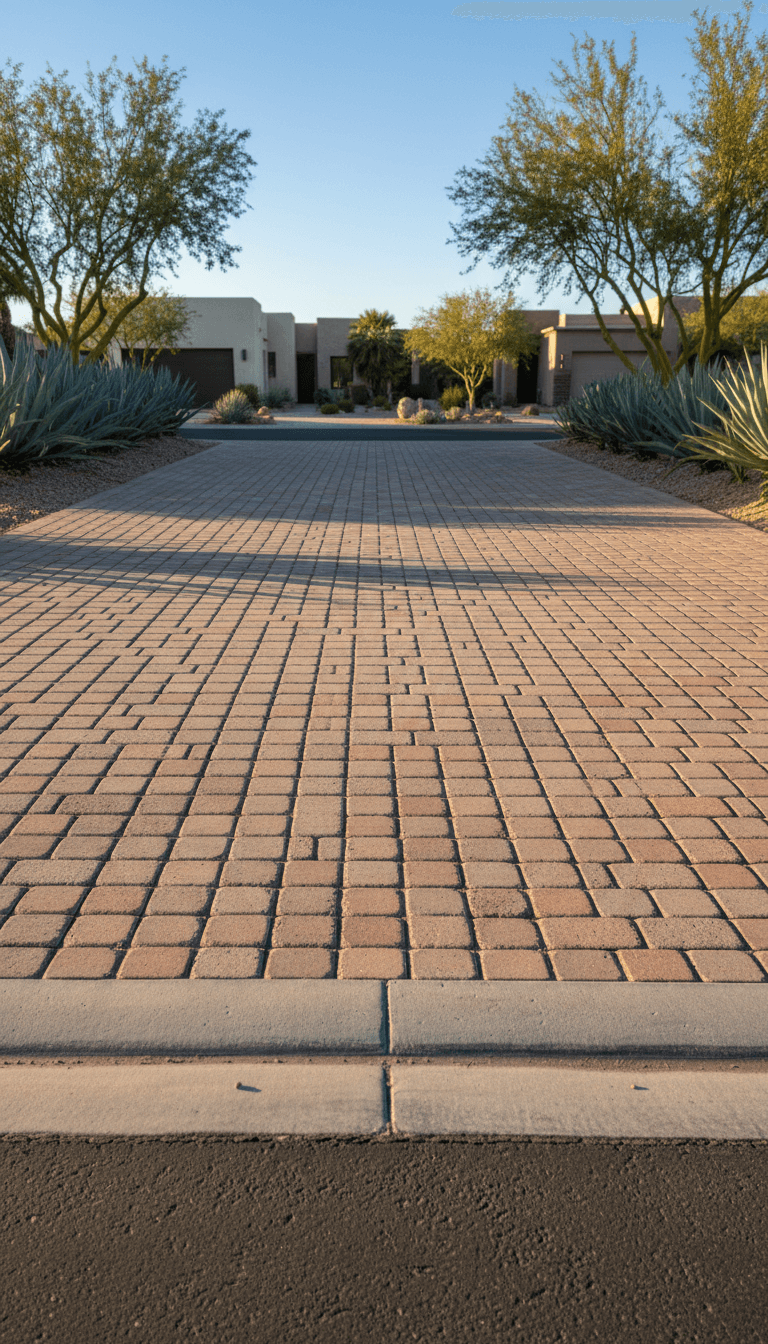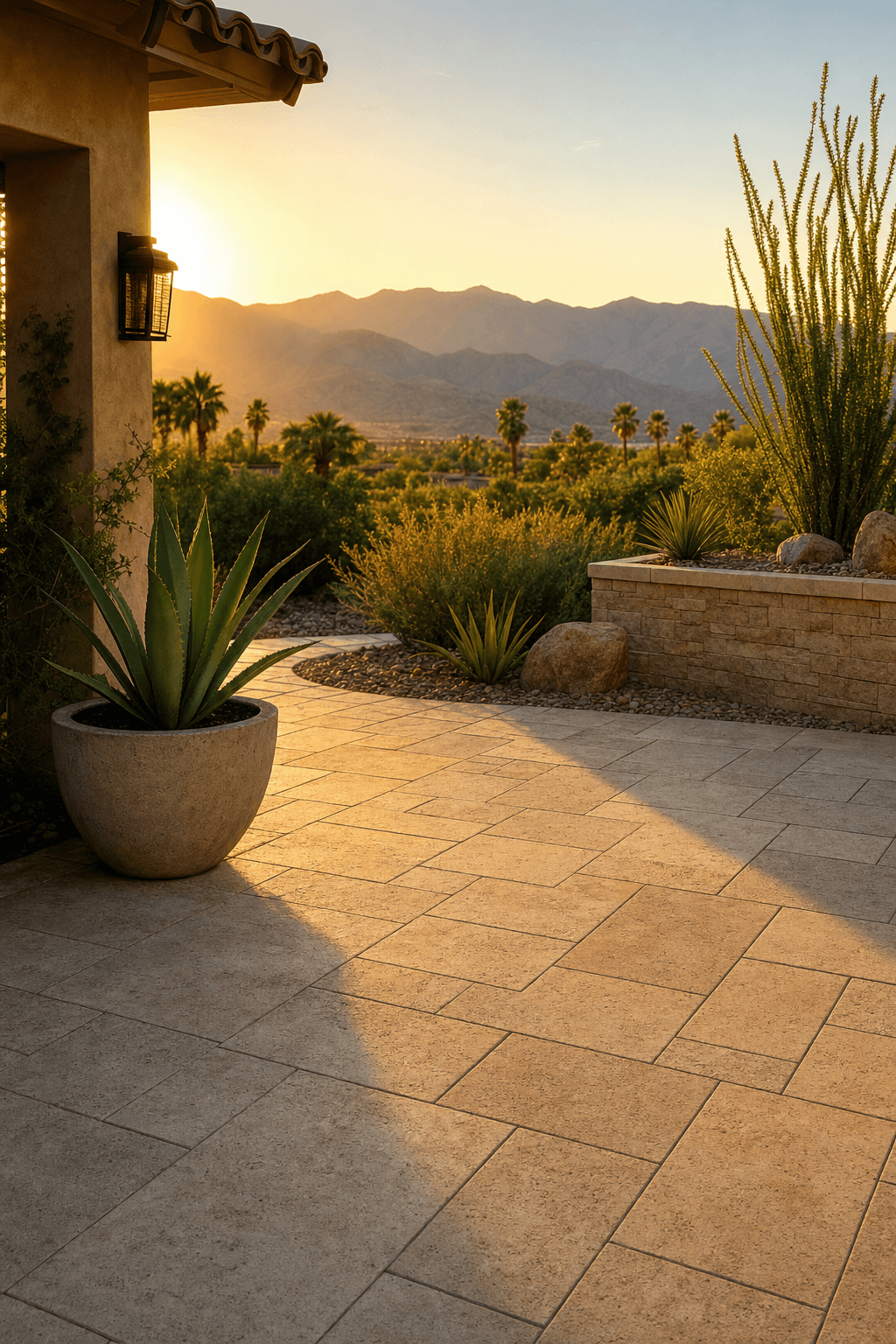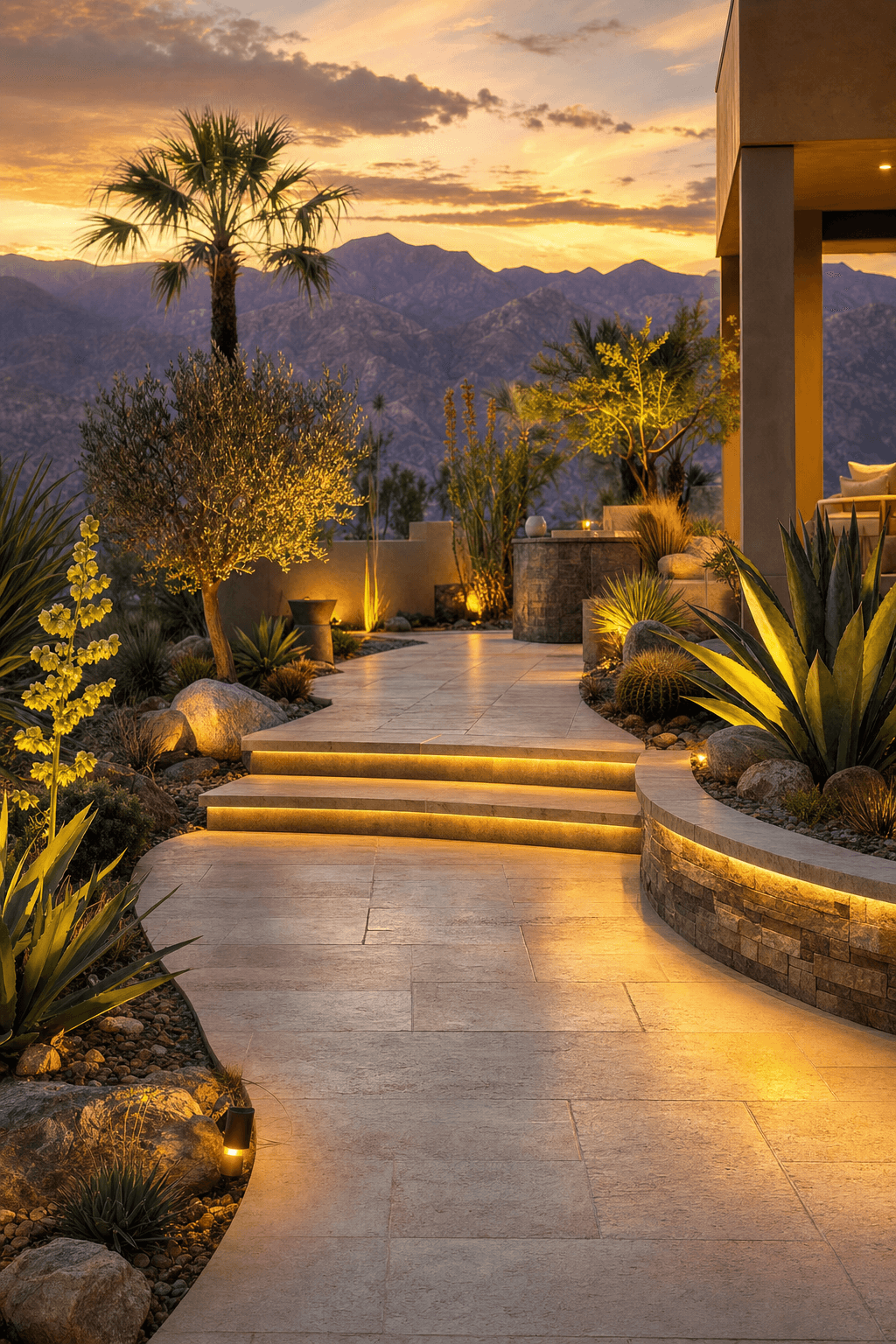
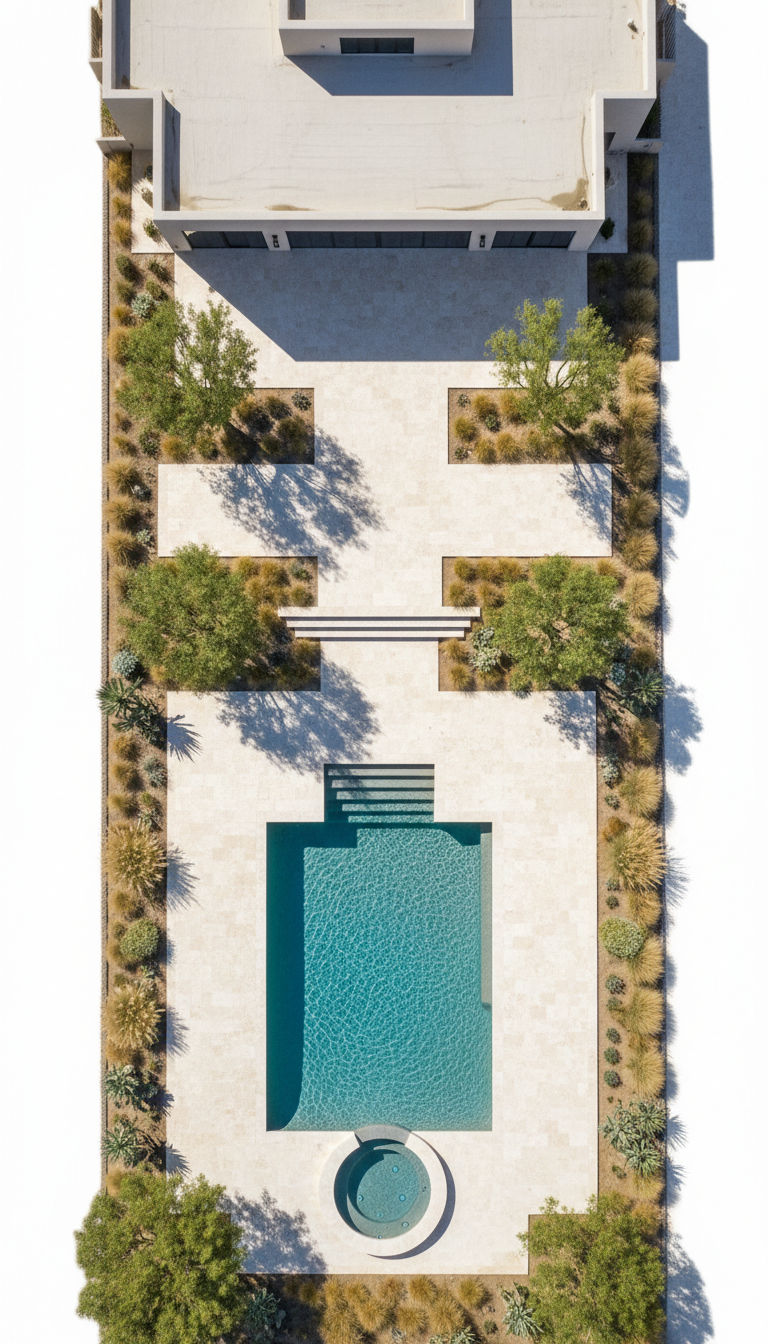
Completing your desert landscape irrigation design before pavers is essential to install necessary sleeves and underground piping before hardscaping is permanently set. This proactive approach avoids expensive rework and allows for the integration of efficient drainage and drip systems that sustain plant life in extreme heat.
Most homeowners in Palm Desert view premium pavers as the final touch to their luxury outdoor space; however, rushing to lay stone before perfecting the irrigation layout is a costly oversight that often leads to torn-up hardscapes later. In the Coachella Valley, where extreme heat and water efficiency are critical factors, your subterranean infrastructure must be flawless before the first piece of travertine or concrete is set. This proactive approach is not just about avoiding leaks; it is about protecting your long-term investment through strategic planning and expert foresight. In this guide, we will explore the essential role of irrigation design, including the sleeving strategy that prevents future excavation. You will also learn about local municipal codes, the importance of hydro-zoning for desert plants, and the precise order of operations required to ensure your desert landscape remains beautiful and sustainable.
The Foundation of a Functional Landscape: Why Irrigation Design Must Lead
In the Coachella Valley, irrigation functions as the biological life support for every living element on your property. The extreme heat of Palm Desert creates a high stakes environment where the margin for error is razor thin. During the peak of summer, a single day of system failure can cause irreparable damage to expensive desert flora; it can turn a vibrant garden into a liability overnight. This environmental reality dictates a professional shift in how homeowners must approach their outdoor renovations.
At Pavers Pavers Pavers, we distinguish our services by treating hardscape and irrigation as a unified system rather than two isolated projects. Integrating landscape lighting and irrigation into the initial engineering phase ensures that the infrastructure supporting your plants is protected by the very stone that defines your property. Prioritizing desert landscape irrigation design before pavers prevents the common pitfall of treating water management as an afterthought. For a successful custom landscape design, the subterranean layout must be finalized before the first layer of base material is compacted. If the irrigation network is not perfectly synchronized with the stone patio installation, you risk future excavation that compromises both the aesthetics and the structural integrity of your high end landscape.
The Sleeving Strategy: Protecting Your Hardscape Investment
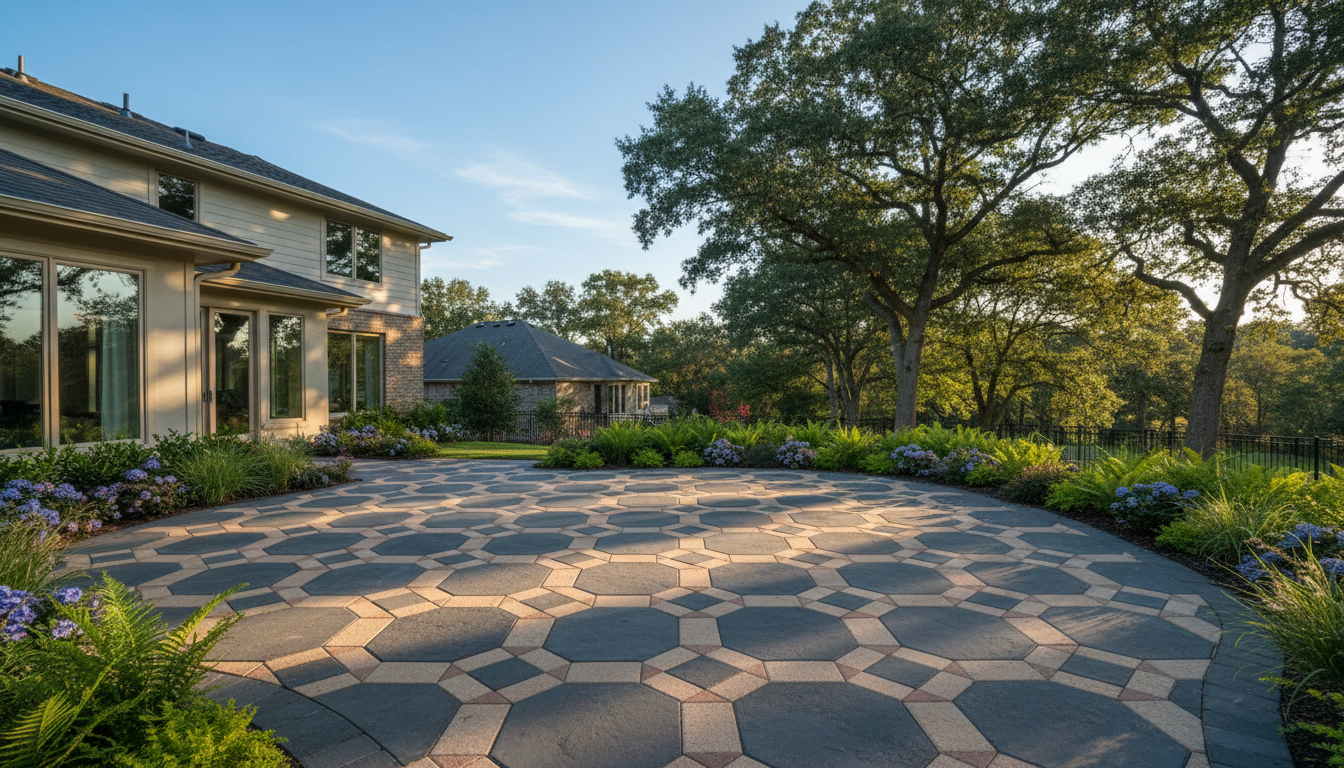
The most critical technical step in protecting your property from future disruption is the implementation of a comprehensive sleeving strategy. A sleeve is a sacrificial, larger diameter PVC pipe, typically Schedule 40, buried deep within the subgrade before any base material is brought in. This pipe serves as a permanent conduit for the actual irrigation lines and wiring. By housing your water lines inside these protective tunnels, you create a system where a technician can pull a new line through or repair a leak without ever disturbing the surface of your stone patio installation.
Contrast this with the common, albeit flawed, practice of trapping irrigation lines directly within the compacted aggregate base. When a line is trapped, any future leak or upgrade necessitates a full excavation. In the Coachella Valley, where thermal expansion is constant, trapped lines are prone to stress fractures. When these lines fail, the resulting water pressure erodes the bedding sand, causing the pavers above to shift, sink, or crack. For homeowners investing in premium materials like French pattern travertine or high-end architectural concrete pavers, the cost of labor and material replacement for such a repair is significant; it often exceeds the cost of the original irrigation installation.
This is why finalizing your desert landscape irrigation design before pavers are even delivered to the site is non-negotiable. It allows us to map out every future necessity, from mainlines to low-voltage lines for landscape lighting and irrigation, and place sleeves accordingly. By integrating these conduits during the custom landscape design phase, we ensure that the structural integrity of your driveway or patio remains permanent, regardless of future mechanical needs below the surface. This proactive engineering prevents the need to saw-cut through expensive stone years down the road just to fix a simple emitter line.
Palm Desert Municipal Codes and Water Efficiency Standards
Compliance with local regulations is not merely a legal formality; it is a structural requirement that influences every phase of your project. In Palm Desert, municipal codes Chapter 25.52 and 24.04 strictly regulate water efficiency for new and rehabilitated landscape installations. These ordinances mandate that high-flow spray systems be replaced by high-efficiency drip emitters for trees and shrubs, or bubbler heads in specific planting zones. The City reviews irrigation plans to ensure that flow rates and the quantity of emitters per plant align with documented water conservation standards.
If a homeowner proceeds with a stone patio installation without a vetted irrigation plan, they risk failing a final inspection. Rectifying a non-compliant system after the fact often requires relocating mainlines or adding valves that were not accounted for in the initial footprint. This is why establishing a compliant desert landscape irrigation design before pavers are laid is a financial necessity. Planning for these codes prevents the expensive mistake of having to saw-cut into new masonry to add a required hydro-zone.
Requirement Category | Specification | Regulation Code |
|---|---|---|
Irrigation Method | Drip emitters or bubblers required for non-turf areas | Chapter 25.52 |
Water Conservation | Flow rate limits and quantities per plant species | Chapter 24.04 |
Equipment | Smart controllers with weather-based sensors | Palm Desert Standard |
Integrating these technical requirements into the custom landscape design ensures that the placement of valves and emitters is optimized for the specific plant palette. By addressing these municipal standards early, we prevent the costly scenario where a finished hardscape must be modified to accommodate additional irrigation capacity required by code. This proactive approach guarantees that your landscape lighting and irrigation systems function efficiently while remaining fully compliant with Coachella Valley water mandates.
Hydro-zoning: The Single Biggest Efficiency Decision for Desert Yards
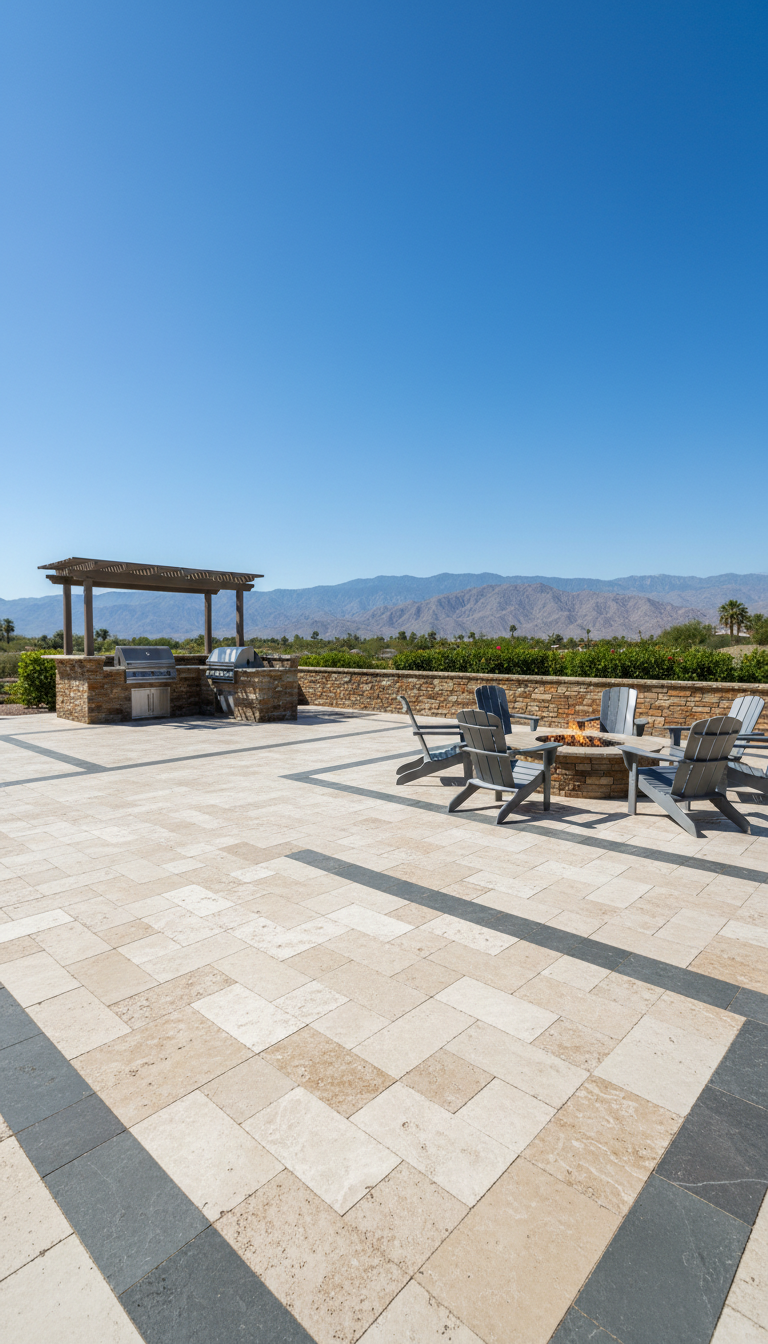
Hydro-zoning is the strategic grouping of plants with similar water requirements into distinct irrigation sectors. In the arid Coachella Valley, this practice is the difference between a thriving garden and a maintenance nightmare. A Palo Verde tree or a Blue Glow Agave requires significantly less hydration than a lush ornamental grass or a fruit-bearing citrus tree; placing these disparate species on the same valve creates a biological conflict. You either drown the desert natives, causing root rot, or you dehydrate the thirstier specimens, causing them to fail under the Palm Desert sun.
This zoning logic dictates the entire subsurface infrastructure of the property. Every hydro-zone requires its own dedicated lateral line and valve assembly. These lines must be routed around or beneath your stone patio installation to reach their specific planting beds. By establishing a professional desert landscape irrigation design before pavers are laid, we map out these exact routes. This prevents the logistical disaster of realizing a high-water zone is trapped on the wrong side of a newly installed driveway in Indian Wells or Rancho Mirage.
Executing this phase of custom landscape design ensures that the mainlines are positioned for maximum efficiency and minimum interference with hardscape footings. When landscape lighting and irrigation systems are designed concurrently with the masonry, we can ensure that every plant receives its precise requirement without wasting water or compromising the structural stability of the pavers. Proper hydro-zoning facilitates deep root growth and long-term plant health, but it is only achievable when the subterranean map is finalized before the first stone is set.
The Ideal Order of Operations for Coachella Valley Landscaping
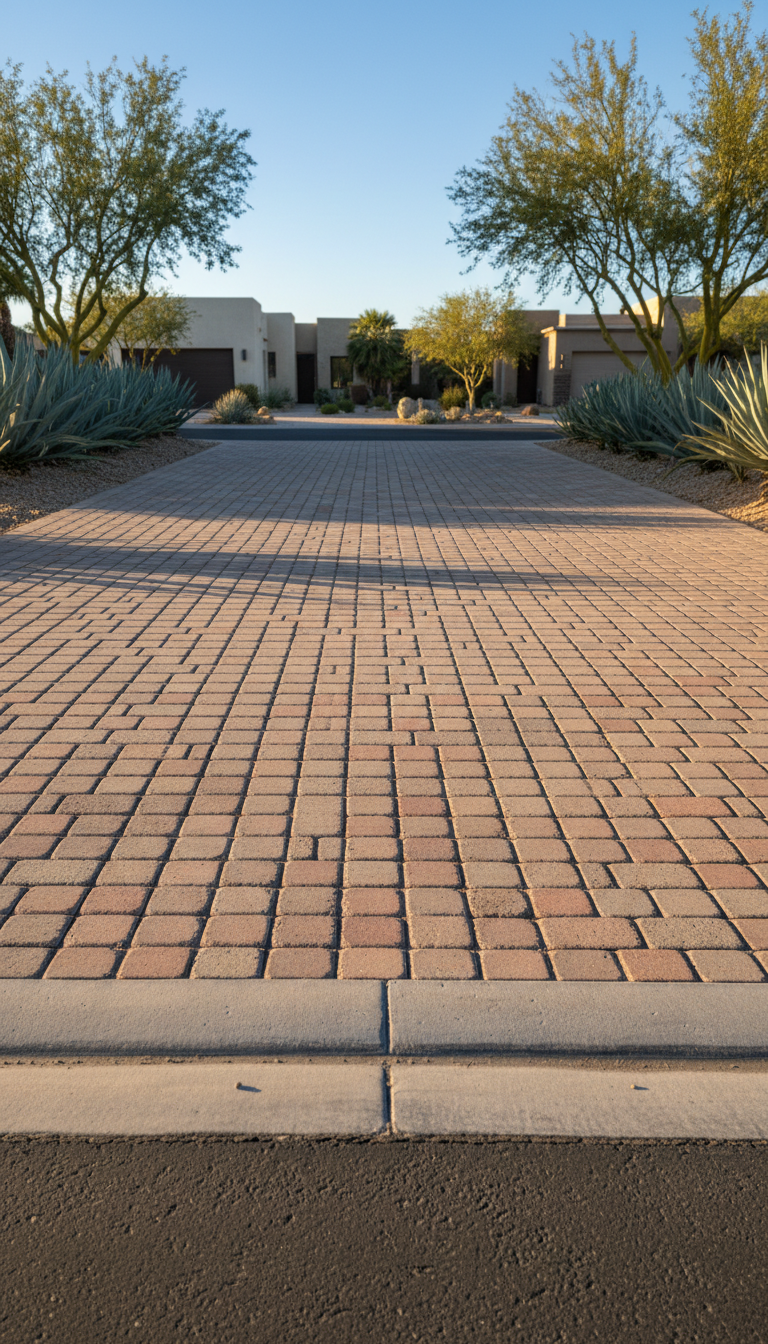
A successful outdoor transformation requires a disciplined sequence of events. In the Palm Desert region, jumping straight to aesthetic choices without a subsurface roadmap leads to systemic failures and expensive rework. Following a precise order of operations ensures that your property remains both beautiful and functional for decades.
[Custom Landscape Design](/custom-landscape-design): This initial phase establishes the master layout, identifying specific planting zones, drainage requirements, and the footprint of all hardscape elements.
Rough Grading: Before any infrastructure is laid, the soil must be graded to ensure a minimum 2% slope away from the home. This prevents water from pooling against the foundation during seasonal downpours.
Irrigation Mainlines and Sleeving: Finalizing the desert landscape irrigation design before pavers are installed allows for the placement of heavy-duty mainlines and protective conduits deep within the subgrade. This infrastructure remains protected while the ground is still open.
Hardscape Installation: With the subterranean conduits in place, we proceed with stone patio installation or driveway paving. The structural base is compacted to peak density without compromising the irrigation mainlines.
Planting and Final Drip Emitter Placement: The final step involves connecting the landscape lighting and irrigation components to their specific targets. Emitters are placed directly at the root balls of the newly installed flora.
This sequence is critical because of the heavy machinery required for hardscaping. High-tonnage plate compactors and skid steers can easily crush delicate lateral drip lines if they are installed prematurely. By prioritizing the structural mainlines and sleeves first, we ensure the integrity of the water system while providing the heavy-duty compaction necessary for a stable paver surface. This professional workflow minimizes the risk of underground leaks and ensures that every plant receives its designated water allocation from day one.
Common Mistakes: Can You Put Pavers Over Sprinkler Lines?
Homeowners frequently ask if existing sprinkler lines can remain beneath a new patio. While it is physically possible to lay pavers over old irrigation pipes, doing so is a high-risk gamble that usually leads to structural failure. Traditional residential sprinkler lines are often buried shallowly and made of thin-walled PVC. When you begin a stone patio installation, the subgrade must be compacted with heavy vibratory plate compactors to reach peak density. This mechanical force can easily crush older pipes. Furthermore, the Coachella Valley’s extreme temperature fluctuations cause soil and stone to expand and contract. Trapped lines have no room to move; this thermal stress eventually leads to hairline fractures and subsurface leaks that are impossible to detect until the paver base erodes and the surface begins to sink.
To avoid these issues, we recommend abandoning old spray systems entirely within the hardscape footprint. Convert these zones to high-efficiency drip systems, routing the new lines through protective sleeves as part of a comprehensive custom landscape design. This approach ensures that landscape lighting and irrigation components are accessible and durable. Integrating a professional desert landscape irrigation design before pavers are set allows you to implement smarter watering schedules tailored to our climate. For example, many local experts follow the 3-5-7 rule for established desert plants: watering three days a week in winter, five days in spring and fall, and seven days during the peak of summer. Properly planned irrigation ensures your new pavers remain level while your foliage receives the precise hydration required for the desert heat.
Planning your Palm Desert outdoor space requires a thoughtful approach to ensure your irrigation systems work harmoniously with your new pavers. By prioritizing your underground layout first, you protect your investment and keep your desert garden thriving for years. If you want expert help bringing this vision to life, our team is here to assist with every detail. Beyond the basics of irrigation, we can also integrate stunning Landscape Lighting to highlight your home’s best features after the sun sets. This comprehensive approach ensures your project is beautiful, functional, and built to last.